
Breed Overview
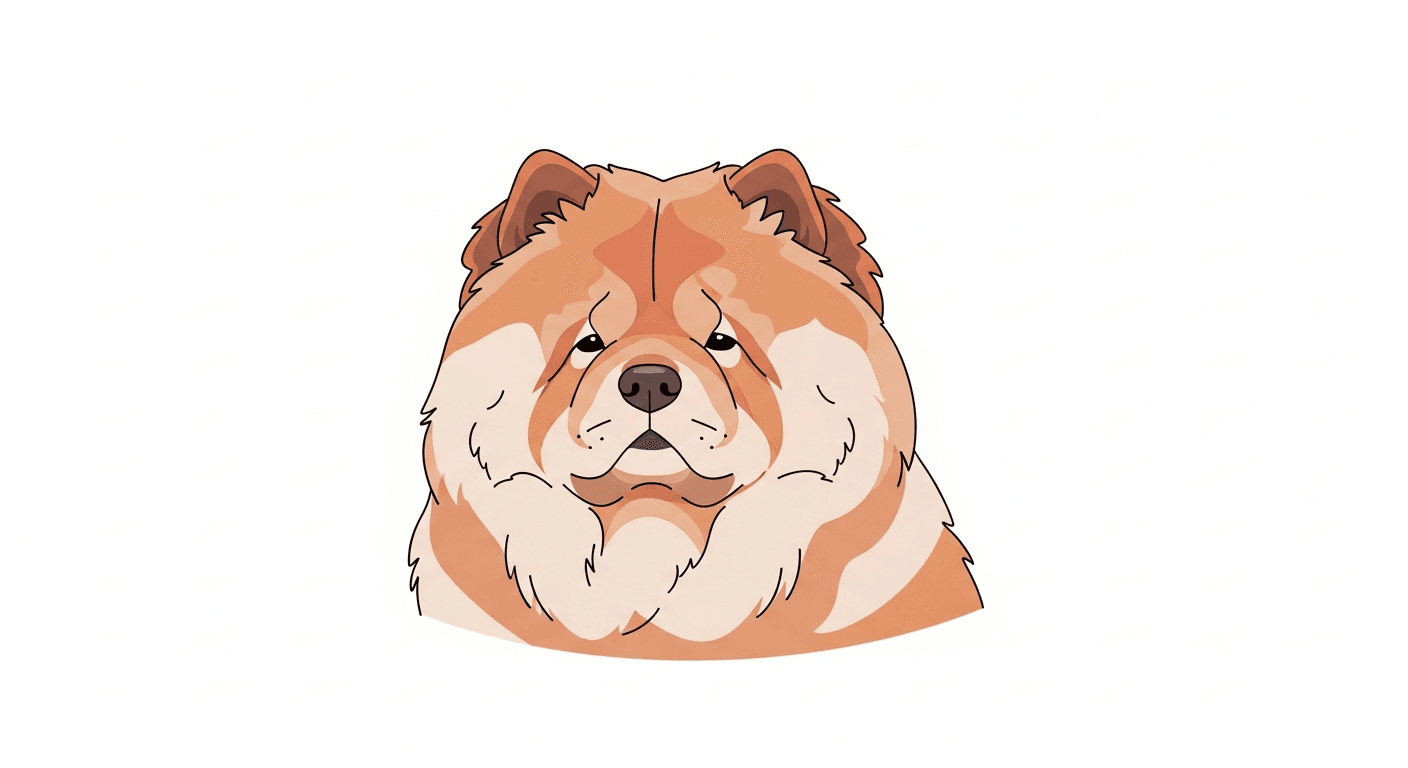
The Chow Chow is one of the oldest and most distinctive dog breeds in existence. DNA analysis places the Chow among a small group of basal breeds closest to the wolf in genetic terms, with origins in northern China dating back at least 2,000 years and possibly much longer. In China, Chows were used for hunting, herding, pulling sleds, and guarding temples. They were also, historically, raised as a source of food — a fact that makes many modern owners uncomfortable. The breed came to England in the late 18th century and was given the name "Chow Chow" from the pidgin English term for miscellaneous cargo goods.
Chow Chows are medium-to-large dogs, with males weighing 55–70 pounds and females 45–60 pounds, standing 17–20 inches at the shoulder. Their most distinctive features are their blue-black tongue (shared only with the Shar-Pei among domestic breeds), their distinctive lion-like mane, straight rear legs that give them a stilted gait, and their abundant, harsh outer coat. They come in five colors: red, black, blue, cinnamon, and cream. Their scowling, wrinkled face is deeply expressive — and often reflects their actual mood.
Temperament and Personality
The Chow Chow's temperament is fundamentally different from most popular dog breeds. They are cat-like in many ways — independent, clean, quiet, and selective in their affections:
- Independent and dignified: Chow Chows do not live to please their owners. They are self-possessed animals that coexist with their family rather than revolving around them.
- Loyal to their family: Despite their aloofness, Chows are deeply loyal to their people. Their loyalty is simply expressed more quietly than in a Golden Retriever.
- Reserved with strangers: Chows are naturally suspicious of unfamiliar people and do not warm up quickly. Proper socialization reduces problematic shyness or territorial aggression.
- Dominant: They are assertive dogs that require clear, consistent leadership from a confident owner. They do not accept wishy-washy boundaries.
- Quiet: Chows are not typically excessive barkers, but they are discriminating alerters.
Care Needs
- Grooming (rough coat): The rough-coated Chow Chow's profuse, dense double coat requires brushing at least three times per week to prevent matting, and daily during shedding seasons. Professional grooming every six to eight weeks is advisable. The smooth-coated variety requires significantly less work.
- Skin and wrinkle care: The facial wrinkles must be cleaned and dried regularly to prevent infections. Their deep-set eyes can be prone to entropion — a painful inward rolling of the eyelid requiring surgical correction.
- Heat sensitivity: Their thick coat and shortened muzzle (some Chows are moderately brachycephalic) make them sensitive to heat. Exercise in cool conditions only.
- Training: Chows are intelligent but selectively cooperative. Training must begin in puppyhood and be consistent, clear, and based on mutual respect. Harsh punishment backfires spectacularly. Patience and positive reinforcement with a confident, calm handler produce the best results.
- Socialization: Early, extensive socialization is critical. Chows that are not well-socialized become territorial and may bite out of fear or dominance.
Health Risks and Common Conditions
- Hip and elbow dysplasia: Common in the breed. OFA certification of breeding stock is important.
- Entropion: The eyelid rolls inward, causing the eyelashes to scratch the cornea. Common in Chows and often requires surgical correction.
- Gastric torsion (GDV): Risk is elevated in this deep-chested breed. Feed smaller meals and limit post-meal exercise.
- Hypothyroidism: More prevalent in Chows than many breeds. Signs include weight gain, coat changes, and lethargy.
- Pemphigus foliaceus: An autoimmune skin disease causing crusty, scaly lesions. Seen more frequently in Chows than most breeds.
- Alopecia: Some Chows experience unexplained hair loss related to hormonal conditions.
Monitor skin, eye, and joint health carefully. Log any changes with the TailRounds Daily Log and book a vet appointment at Happy Paws if you notice eye irritation, skin changes, or unexplained weight gain. Find a clinic familiar with working and ancient breeds near you.
Exercise Needs
Chow Chows need moderate daily exercise — two walks of 20–30 minutes are typically sufficient. They are not high-energy dogs and do not enjoy vigorous extended exercise. All outdoor activity should be in cool conditions.
Is a Chow Chow Right for You?
The Chow Chow is a breed for experienced dog owners who appreciate a dog with depth and dignity rather than effusive friendliness. They are not suitable for first-time dog owners, families with young children (who may provoke a bite), or owners who want a highly biddable companion. For those who understand and respect their independent nature, a Chow Chow offers a uniquely quiet, loyal, and ancient bond unlike any other breed can provide.
Continue Reading
 🐶 Dog Breeds
Akita: Japan's Noble and Powerful National Monument
A complete guide to the Akita — Japan's iconic large dog breed. Learn about their independent temperament, loyalty, health risks, training challenges, and ownership requirements.
 🐶 Dog Breeds
Siberian Husky: The Striking Arctic Sled Dog Built for Adventure
A complete guide to the Siberian Husky — stunning looks, high energy, escape artistry, care needs, health issues, and whether this athletic breed fits your lifestyle.