
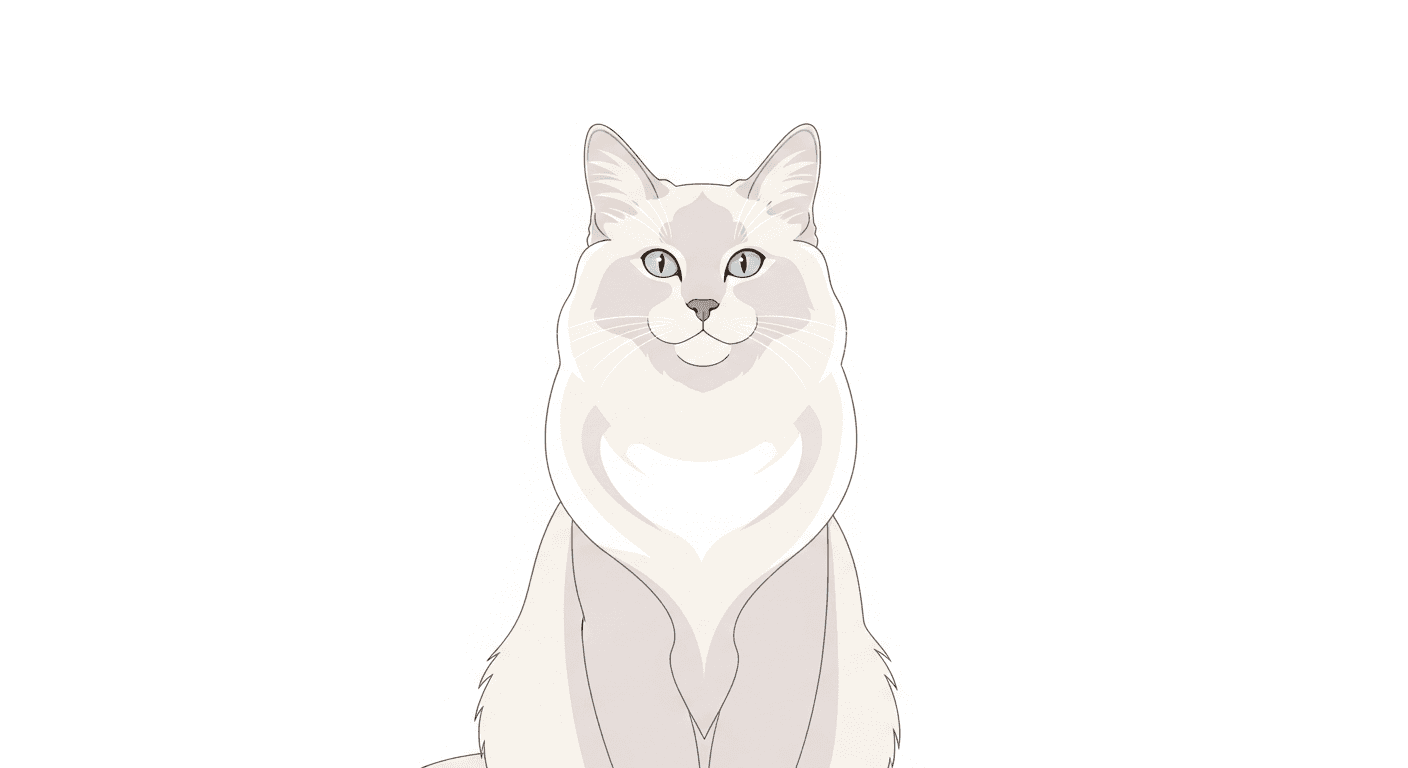
Turkish Angora Overview
The Turkish Angora is one of the oldest known natural cat breeds, originating from the Ankara (formerly Angora) region of Turkey. These cats were prized by Ottoman sultans and European royalty and were some of the first long-haired cats to arrive in Europe in the 16th and 17th centuries. In Turkey, the Turkish Angora is considered a national treasure — the Ankara Zoo has maintained a breeding program since the early 20th century to preserve the original breed.
Turkish Angoras are medium-sized, finely boned, and elegant cats with a single silky coat (no dense undercoat like the Persian or Norwegian Forest Cat), a plumed tail, large tufted ears, and large, almond-shaped eyes that can be blue, green, amber, or odd-colored (one blue, one amber). The classic Turkish Angora is white, though the breed comes in many colors and patterns. White Turkish Angoras with blue eyes have a well-documented increased risk of congenital deafness.
Personality and Temperament
Despite their ethereal, delicate appearance, Turkish Angoras have bold, spirited personalities that often surprise new owners expecting a passive, lap cat.
- Athletic and agile: Turkish Angoras are excellent jumpers and climbers. They love to perch at the highest point in a room and survey their domain.
- Intelligent and curious: They learn quickly, investigate everything, and can figure out puzzle toys and door latches. They need mental stimulation.
- Sociable and outgoing: Unlike some of the more reserved breeds, Turkish Angoras enjoy meeting new people and adapt well to busy households.
- Affectionate on their own terms: They enjoy interaction and play but are not as intensely dependent as breeds like the Siamese or Sphynx.
- Enjoys being in charge: Turkish Angoras often assume the alpha role in multi-cat homes. They can live with other pets but prefer to set the pace of interactions.
Turkish Angoras are ideal for active households that can provide climbing structures, interactive play, and consistent engagement. They are playful well into old age.
Grooming Needs
The Turkish Angora's single, silky coat is one of the breed's defining features — and one of its easiest aspects to maintain.
- Brushing: Two to three times per week with a fine-toothed comb or soft slicker brush. The single coat is less prone to matting than double-coated long-haired breeds, but the belly and armpit areas can tangle.
- Seasonal shedding: Turkish Angoras shed their winter coat dramatically in spring. Daily brushing during this period prevents hairballs and mats.
- Bathing: Optional; every 6–8 weeks for white cats to maintain coat brightness. Use a whitening cat shampoo formulated for felines.
- Tail care: The plumed tail can collect debris. Brush it separately at each grooming session.
- Ear cleaning: Monthly or as needed. Check for debris in the ear tufts regularly.
Unlike the Persian's high-maintenance coat, the Turkish Angora's single layer is much more forgiving and rarely requires professional grooming.
Health Risks and Common Conditions
Turkish Angoras are generally healthy, but white individuals have significant genetic health concerns that all potential owners should understand.
- Congenital deafness: White Turkish Angoras (and white cats of many breeds) can be deaf from birth due to degeneration of the cochlea, linked to the W (white) gene and the absence of melanocytes in the inner ear. Blue-eyed white cats have the highest risk of deafness — up to 65–85% in some studies. Odd-eyed white cats (one blue, one amber eye) are typically deaf on the blue-eyed side. Hearing testing (BAER test) is recommended for all white kittens.
- Hypertrophic Cardiomyopathy (HCM): Cardiac disease has been reported in Turkish Angoras. Annual cardiac auscultation and periodic echocardiography are recommended.
- Ataxia: A hereditary neurological condition causing coordination problems has been reported in some Turkish Angora lines. Reputable breeders test for this.
- Hyperthyroidism: As with all older cats, thyroid function should be checked as part of senior wellness screenings (from age 7+).
Request BAER (Brainstem Auditory Evoked Response) hearing testing for any white Turkish Angora kitten. Book a vet appointment at Happy Paws for hearing testing and cardiac evaluation. Track daily observations with the TailRounds Daily Log. Find a Clinic equipped for neurological and cardiac assessment.
Ideal Home, Cost, and Availability
Turkish Angoras suit active, attentive households that can provide climbing structures, regular play, and mental enrichment. They are adaptable to families, singles, and multi-pet homes.
Note on deaf cats: Deaf Turkish Angoras can live full, happy lives indoors. They compensate with heightened other senses. They must never be allowed outdoors unsupervised — they cannot hear approaching danger.
Purchase cost: $800–$2,000 from reputable breeders. Turkish Angoras from Turkish breeding programs that preserve the original type may be more expensive or harder to source internationally.
Lifespan: 12–18 years. A naturally developed breed without extreme physical traits; longevity is excellent with proper care.
Continue Reading
 🐈 Cat Breeds
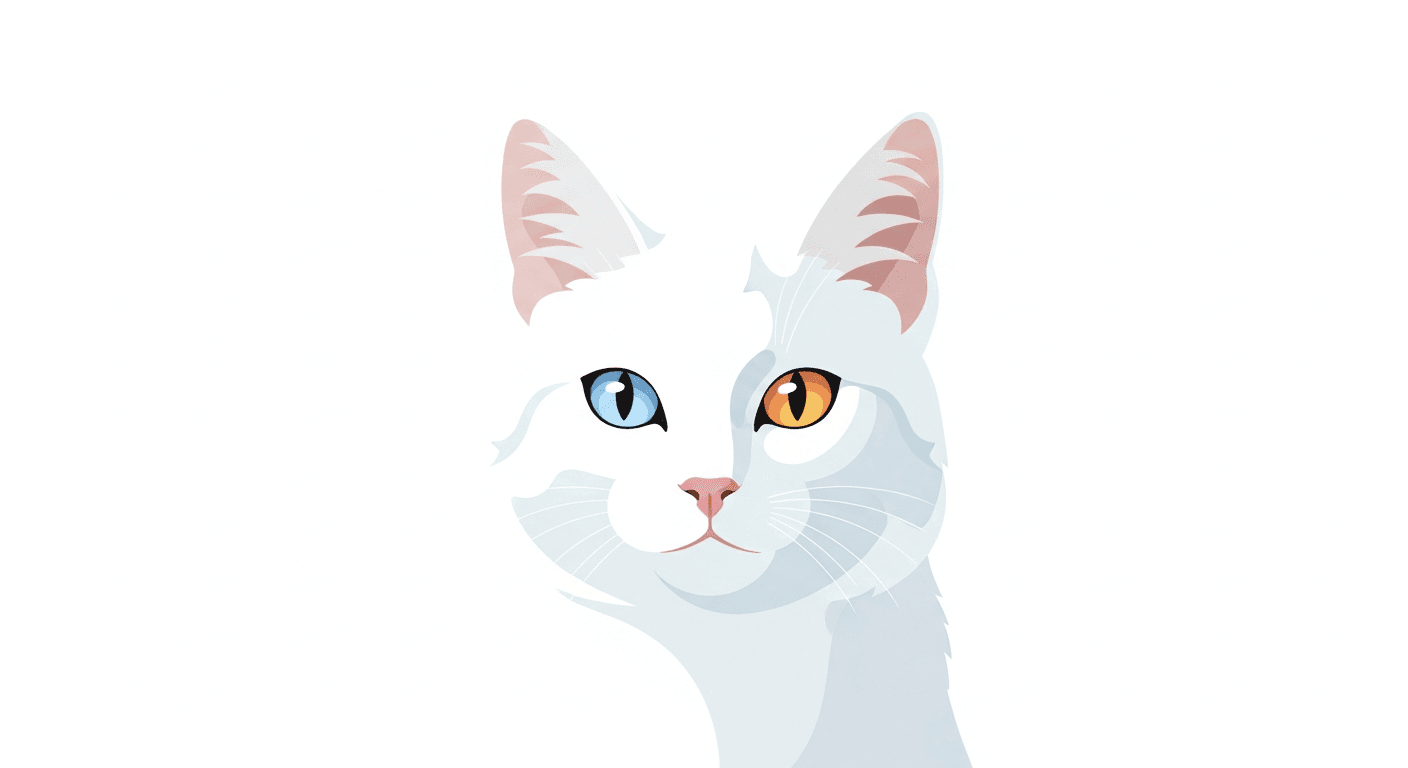
Turkish Van: Complete Breed Guide — The Swimming Cat
A complete guide to Turkish Van cats: their love of water, distinctive van pattern, energetic personality, minimal grooming needs, health considerations, and ideal home.
 🐈 Cat Breeds
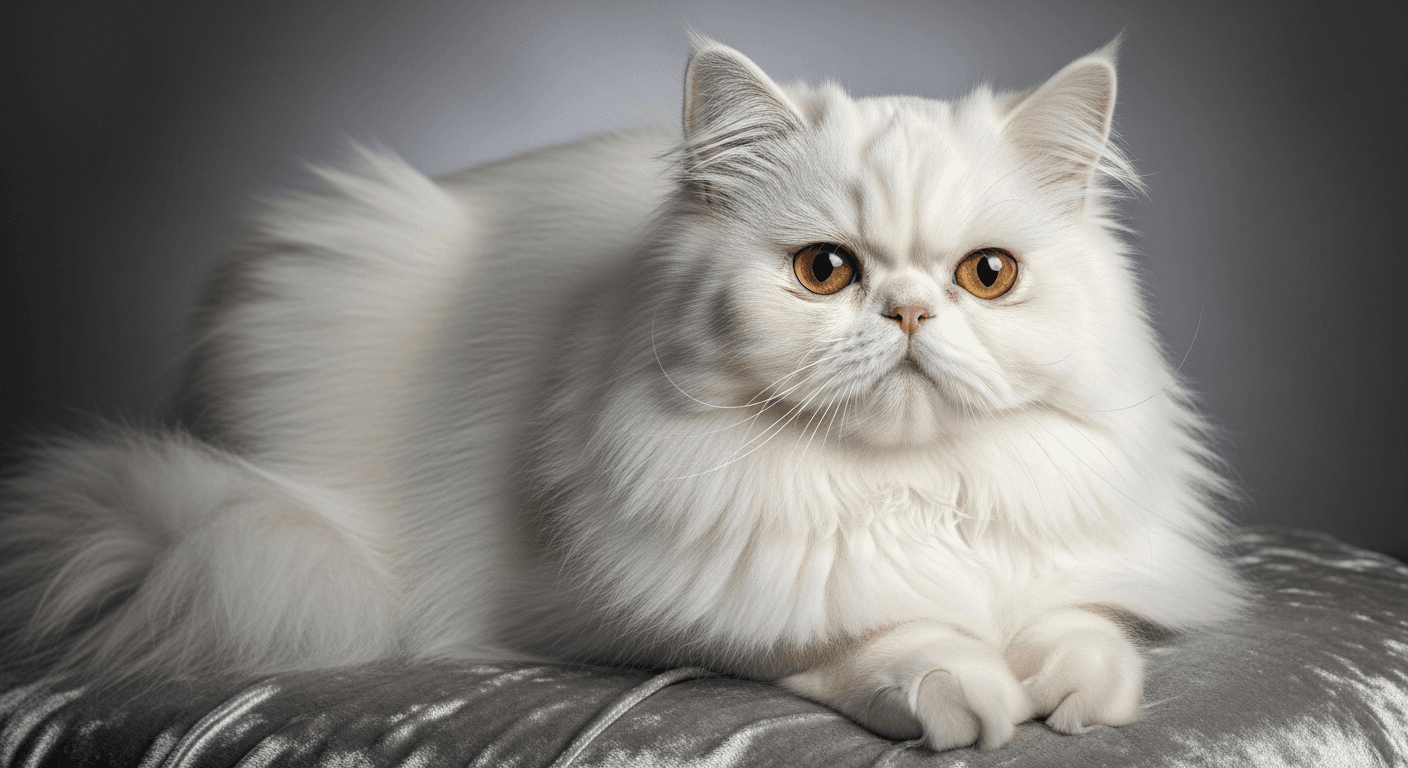
Persian Cat: Complete Breed Guide — Personality, Grooming & Health
Everything you need to know about Persian cats: temperament, coat care, common health issues, and whether this elegant breed suits your home.
 🐈 Cat Breeds
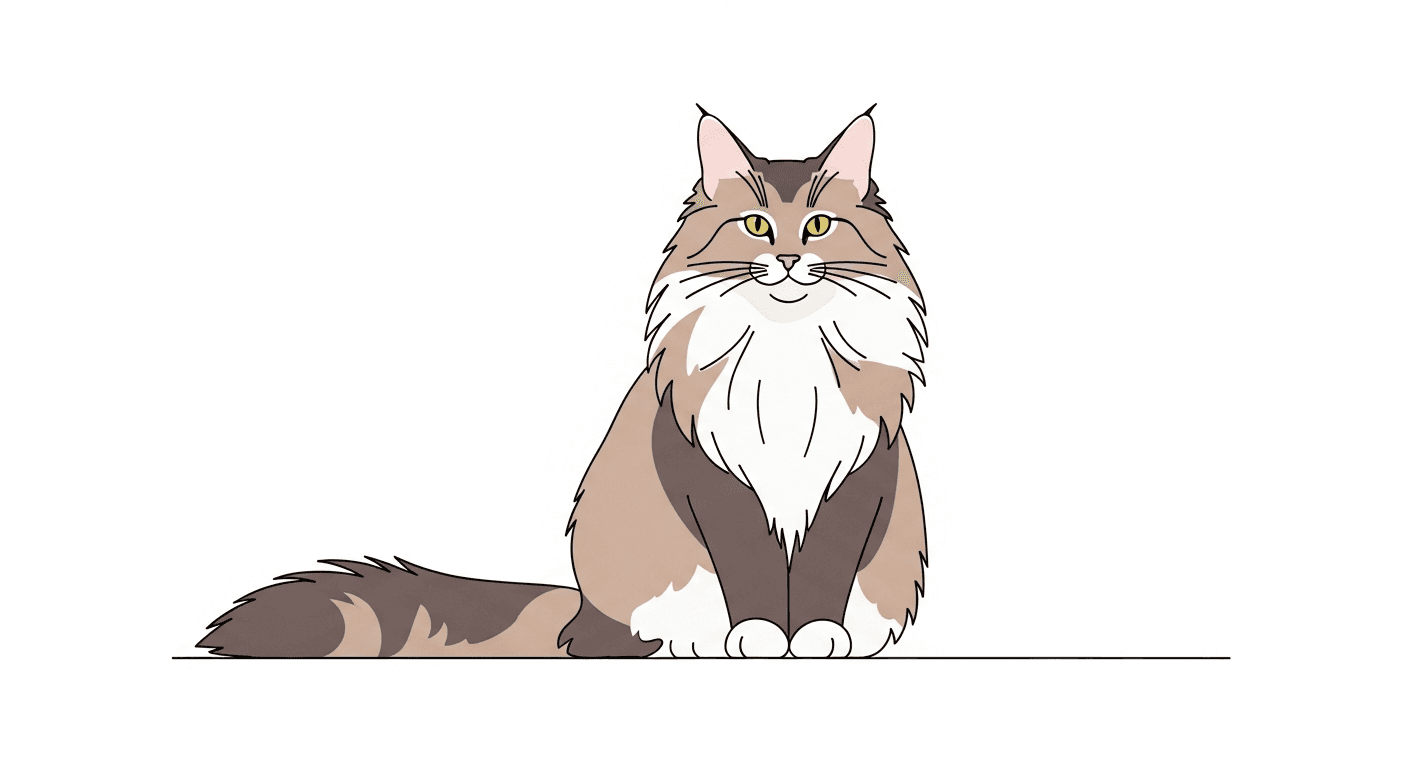
Norwegian Forest Cat: Complete Guide — Personality, Grooming & Health
Everything about Norwegian Forest Cats: their Viking-era history, semi-long weather-resistant coat, outdoor-ready personality, HCM and GSD IV risks, and ownership costs.