
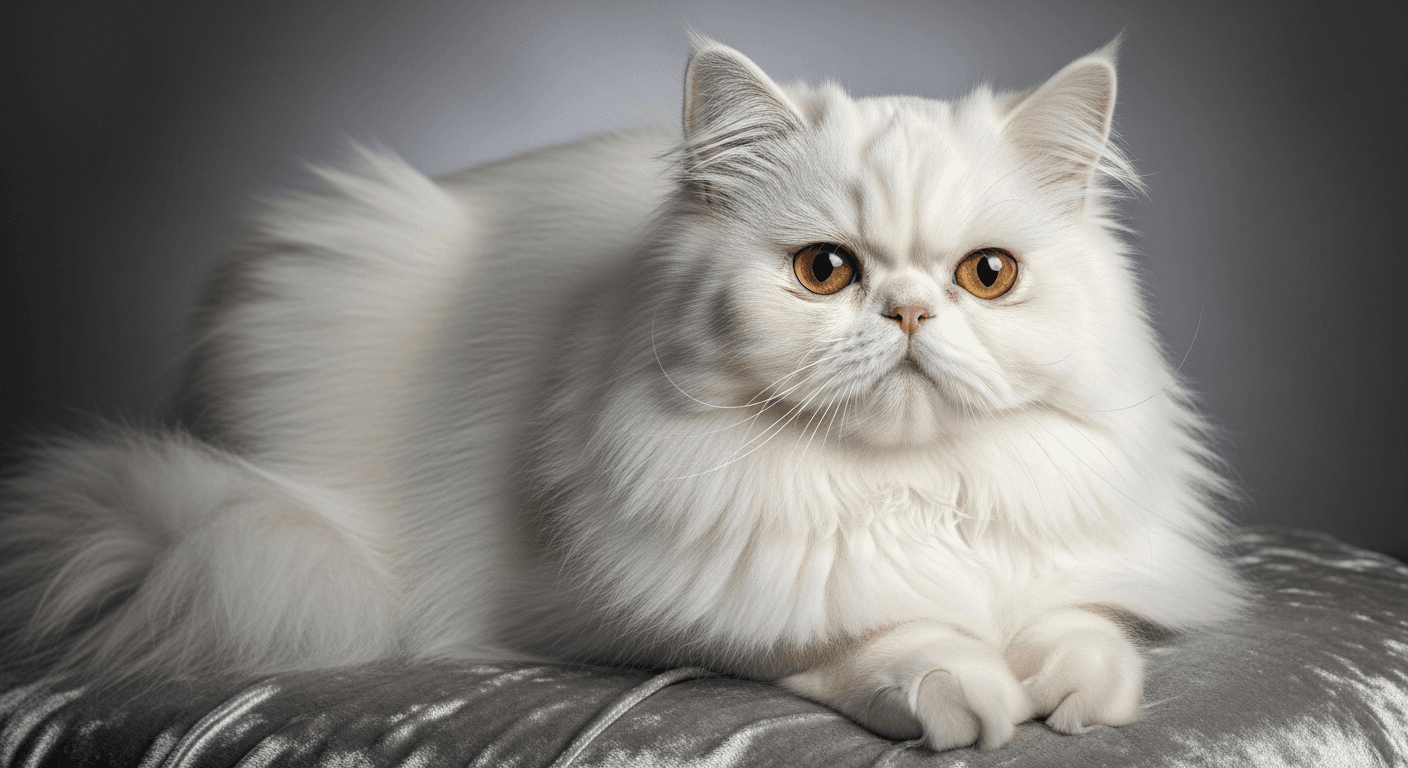
Persian Cat Overview
The Persian cat is one of the oldest and most recognizable cat breeds in the world. With its luxurious long coat, flat face, and calm demeanor, the Persian has captivated cat lovers for centuries. Originating from Persia (modern-day Iran), these cats were introduced to Europe in the 1600s and have been a show-ring staple and beloved companion ever since. Today, the Persian is consistently ranked among the most popular cat breeds globally, prized for its regal appearance and gentle nature.
Persians are medium to large cats, typically weighing between 7 and 12 pounds. They are stocky, cobby cats with short legs, broad chests, and round heads. Their defining feature is their extremely flat face — known as brachycephalic conformation — which gives them their distinctive "pushed-in" appearance. Their large, round eyes come in a range of colors including copper, blue, and odd-eyed combinations, depending on coat color.
Personality and Temperament
Persians are the quintessential lap cat. They are calm, gentle, and affectionate, preferring quiet environments and consistent routines. Unlike more active breeds, Persians are not climbers or jumpers by nature — they are perfectly content to lounge on a soft surface and observe their world with serene dignity.
- Affectionate but not clingy: Persians enjoy being near their owners but are not demanding. They will sit beside you rather than constantly meowing for attention.
- Quiet and soft-voiced: Their vocalizations are gentle and melodic. They rarely howl or yowl.
- Good with children and other pets: When introduced properly, Persians tolerate calm children and other animals well. They do not enjoy rough play.
- Indoor-only cats: Due to their coat and facial structure, Persians are strictly indoor cats. They lack the survival instincts of more rugged breeds.
- Routine-oriented: Changes in environment can stress a Persian. They thrive on predictability.
If you work long hours, consider getting two cats for companionship, as Persians can become lonely. They bond deeply with their humans and appreciate gentle, consistent interaction.
Grooming Needs
The Persian's coat is its crown jewel — and its greatest maintenance demand. Their long, dense, silky fur mats easily and requires daily attention. Neglecting grooming can lead to painful tangles, skin infections, and hairballs.
- Daily brushing: Use a wide-toothed metal comb or slicker brush. Work through the coat in sections, paying attention to the armpits, belly, and behind the ears where mats form fastest.
- Bathing: Most Persian owners bathe their cats monthly to keep the coat clean and reduce oil buildup. Use a gentle cat shampoo and dry thoroughly with a low-heat dryer.
- Facial cleaning: The flat face creates deep skin folds that trap moisture and discharge. Wipe around the eyes and nose daily with a damp cloth to prevent staining and infection.
- Tear staining: Persians are prone to epiphora (excessive tearing). Use veterinarian-approved eye wipes and schedule regular check-ups to rule out blocked tear ducts.
- Nail trimming: Trim every two to three weeks. Persians are sedentary, so their nails may not wear down naturally.
Many Persian owners opt for a "lion cut" — a professional grooming style that clips the coat short — especially during summer months. This dramatically reduces maintenance while keeping the cat comfortable.
Health Risks and Common Conditions
Persians are beautiful cats, but their distinctive physical traits come with a range of breed-specific health challenges. Responsible ownership means understanding these risks and working closely with your veterinarian.
- Brachycephalic Obstructive Airway Syndrome (BOAS): The flat face narrows the nostrils and airway, causing labored breathing, snoring, and heat intolerance. Severe cases may require surgery.
- Polycystic Kidney Disease (PKD): A genetic condition causing fluid-filled cysts in the kidneys. Reputable breeders test for the PKD1 gene mutation. Cats can be DNA-tested before purchase.
- Hypertrophic Cardiomyopathy (HCM): Thickening of the heart muscle is common in Persians. Annual cardiac screening by a vet cardiologist is recommended.
- Dental malocclusion: The shortened jaw causes crowding and misalignment of teeth, leading to periodontal disease. Daily tooth brushing is ideal.
- Skin fold dermatitis: Bacteria and yeast accumulate in the facial folds. Regular cleaning prevents infection.
- Progressive Retinal Atrophy (PRA): A genetic eye condition that can lead to blindness. DNA tests are available.
Routine wellness visits are essential. Book a vet appointment at Happy Paws to establish a preventive care plan for your Persian, including PKD DNA testing and cardiac screening. You can also Find a Clinic near you that specializes in brachycephalic breeds.
Ideal Home and Cost
The Persian is best suited to calm, quiet households. They thrive with owners who have time for daily grooming and gentle interaction. Apartments are perfectly suitable — Persians do not need large spaces.
Not ideal for: Families with very young children who play roughly, highly active households, or owners who travel frequently without arranging proper care.
Purchase cost: From a reputable breeder, Persian kittens typically cost $1,000–$3,000 USD depending on pedigree and coat color. Show-quality cats command premium prices. Adoption from breed-specific rescues is also an option, typically $100–$300.
Ongoing costs: Budget for professional grooming ($50–$100 per session), premium cat food, annual vet visits, and potential specialist care (cardiologist, ophthalmologist). Persians can live 12–17 years with proper care.
Track your Persian's daily health with the TailRounds Daily Log to monitor weight, appetite, breathing quality, and eye discharge — all critical indicators in this breed.
Continue Reading
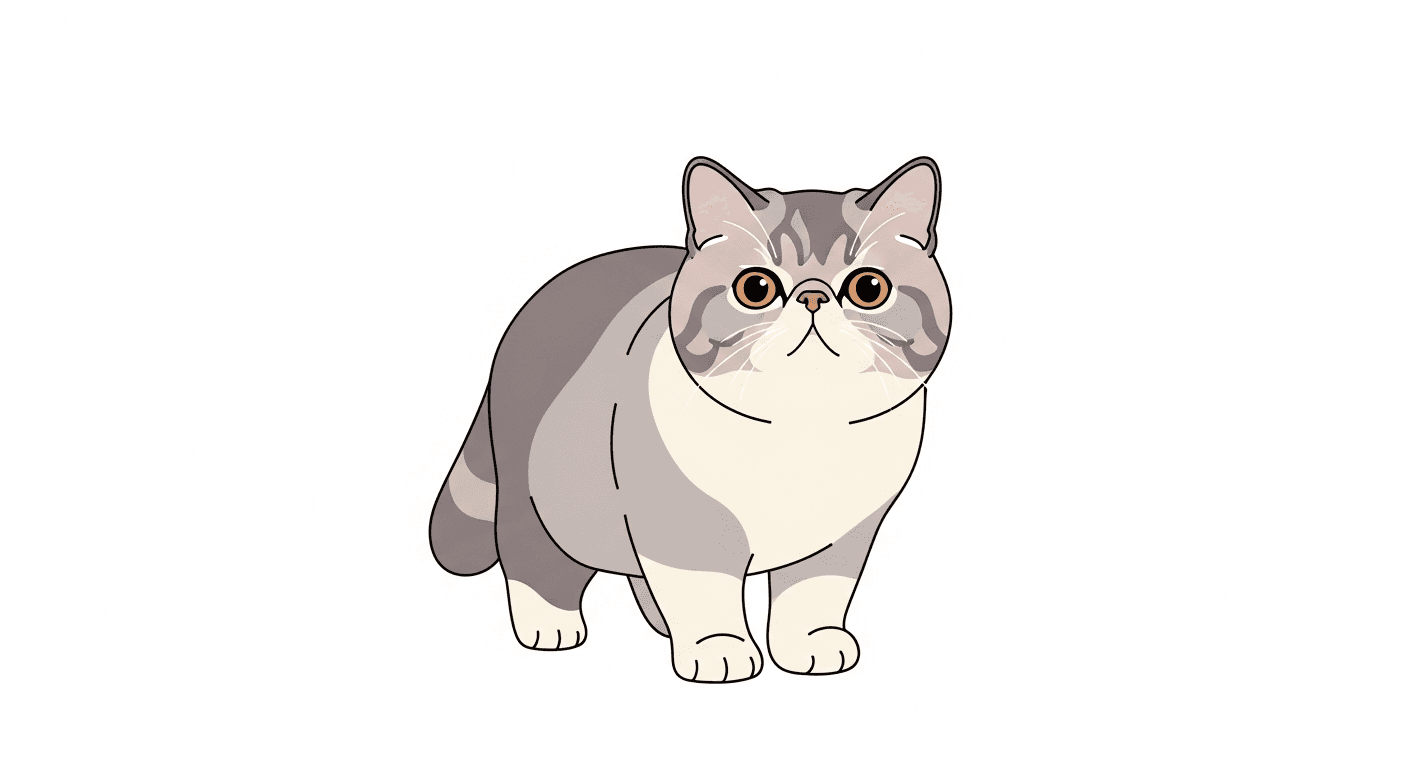 🐈 Cat Breeds
Exotic Shorthair: Complete Breed Guide — Personality, Care & Health
A complete guide to Exotic Shorthair cats: the Persian in a plush short coat, their teddy bear appearance, brachycephalic health risks, grooming needs, and ideal home environment.
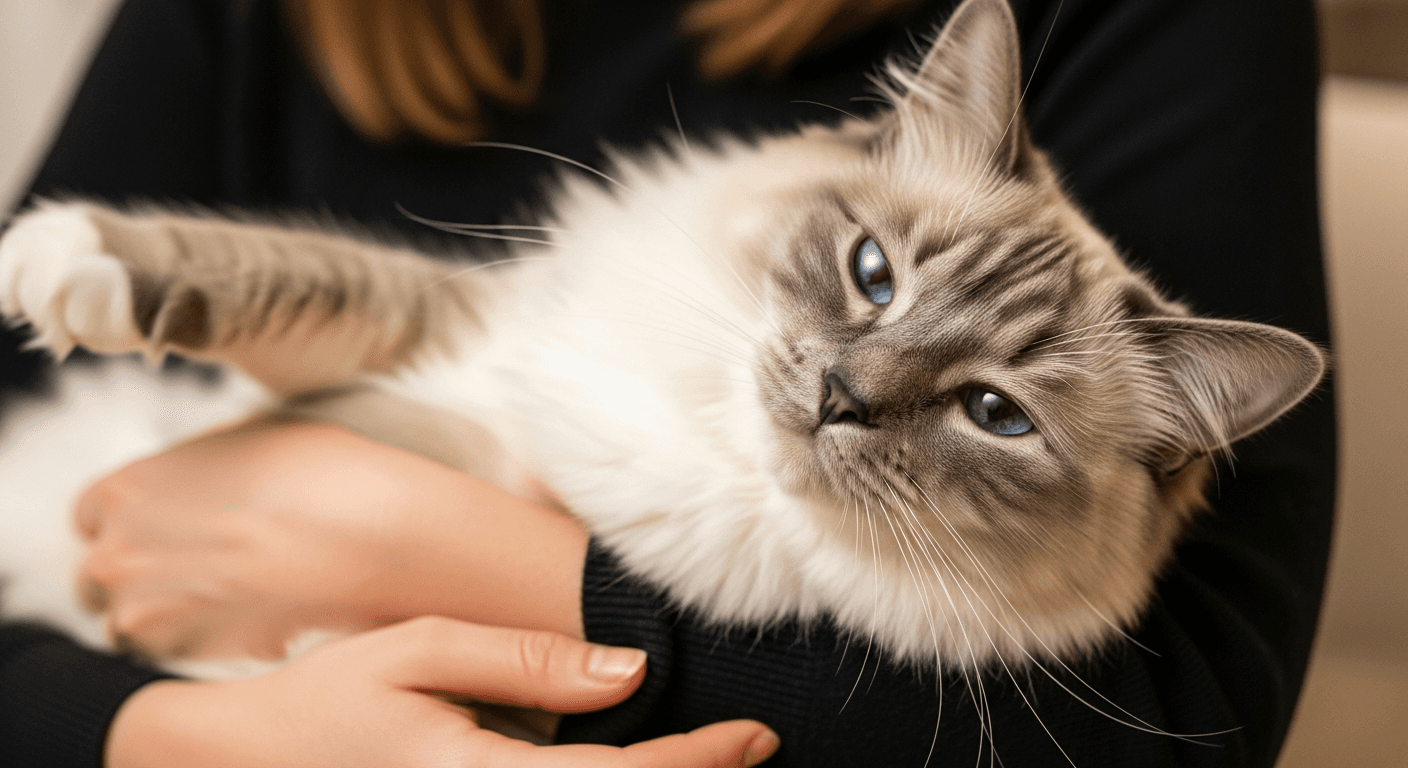 🐈 Cat Breeds
Ragdoll Cat: Complete Breed Guide — Personality, Grooming & Health
Everything about Ragdoll cats: their famously gentle temperament, semi-long coat care, HCM risk, litter size, and whether this blue-eyed breed fits your lifestyle.
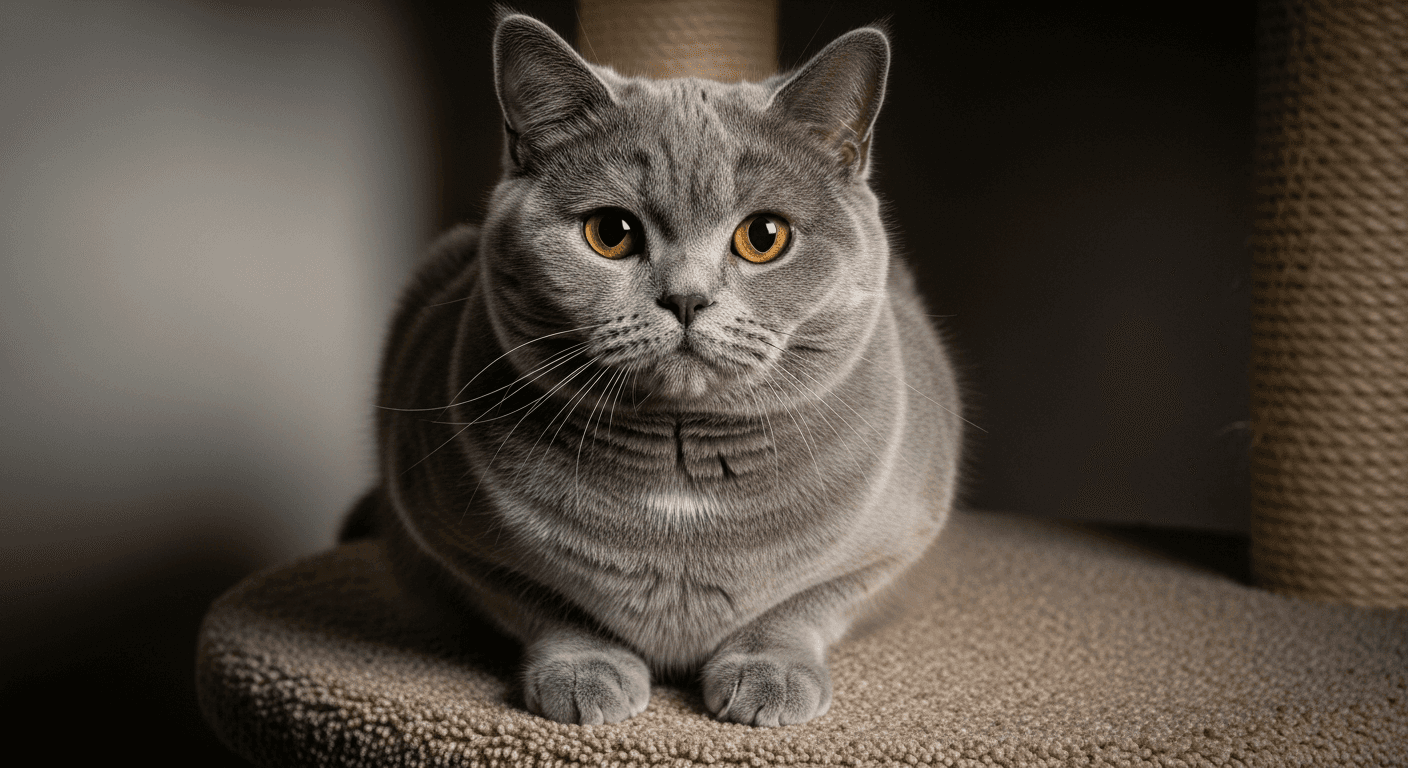 🐈 Cat Breeds
British Shorthair: Complete Breed Guide — Personality, Care & Health
A full guide to the British Shorthair cat: its calm personality, plush coat, breed-specific health risks like HCM and PKD, ideal home environment, and ownership costs.