
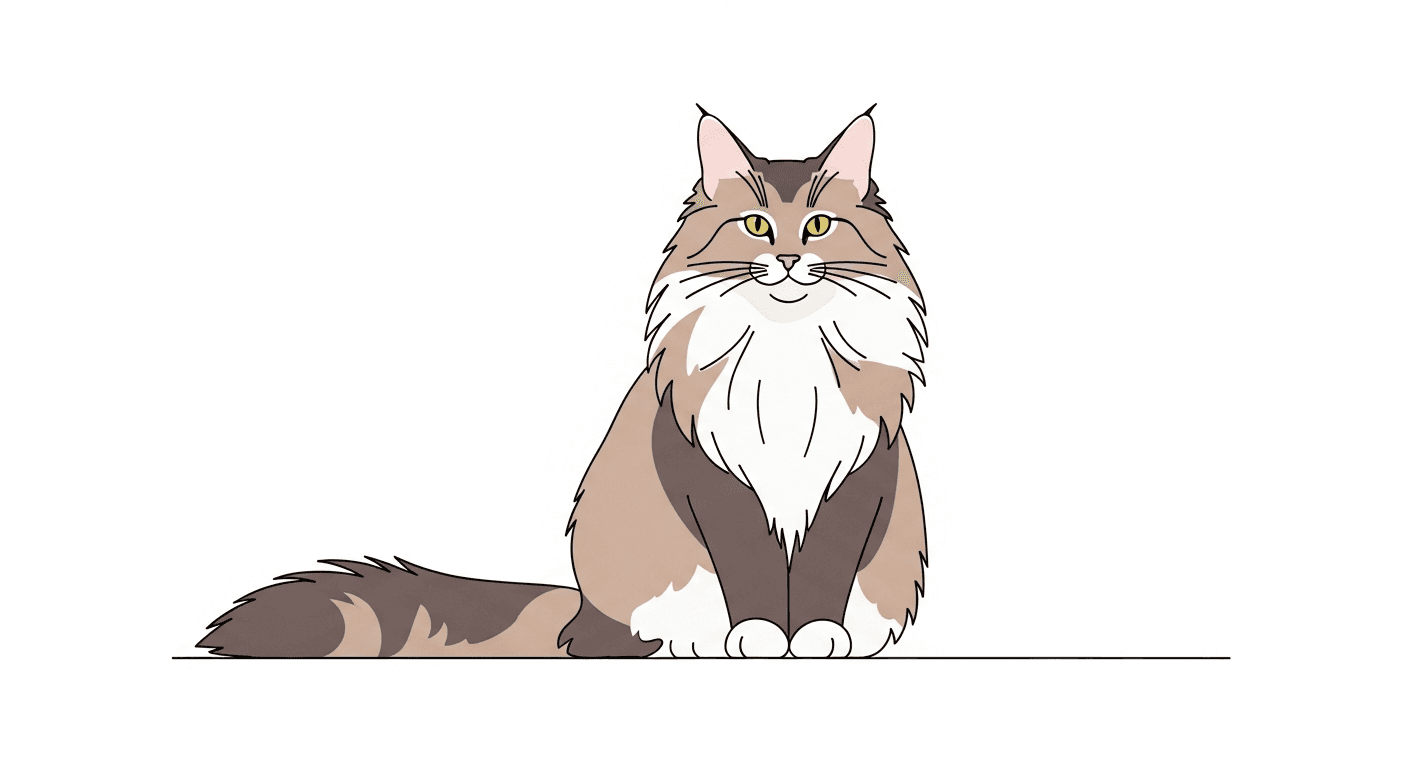
Norwegian Forest Cat Overview
The Norwegian Forest Cat — known in Norway as the "Skogkatt" (forest cat) — is a large, robust natural breed that evolved in the cold, harsh climate of Scandinavia over thousands of years. Norse mythology features a large, fluffy cat that even the god Thor could not lift from the ground — many believe this was a reference to the Skogkatt. Viking ships historically carried these cats as working mousers, and they roamed the Norwegian forests for centuries before formal breed development began in the 1930s. King Olav V of Norway declared the Norwegian Forest Cat the official cat of Norway in the 1970s.
Norwegian Forest Cats are large, powerfully built animals with a dense, double-layered, water-resistant coat, a bushy tail, large tufted paws, and a distinctive triangular head with a long, straight nose profile. Males are substantially larger than females, commonly reaching 12–16 pounds (females 8–12 pounds). The coat comes in virtually every color and pattern except colorpoint (pointed). Their semi-long coat has a dense woolly undercoat and a glossy, water-shedding outer coat that allowed these cats to survive Norwegian winters.
Personality and Temperament
Norwegian Forest Cats have a personality that reflects their origins — self-sufficient, outdoorsy, and capable, but also deeply affectionate with their trusted family.
- Independent and confident: Unlike some breeds that constantly seek reassurance, the "Wegie" is secure and self-assured. They are curious and bold without being anxious.
- Active and athletic: These cats are natural climbers. They have strong, curved claws adapted for scaling trees and prefer vertical height. Tall, sturdy cat trees are essential.
- Affectionate but not demanding: Wegies are loving with their family but respect boundaries. They are not velcro cats, though they enjoy being near their people.
- Good with other pets and children: Their tolerant, gentle nature makes them excellent family cats. They coexist well with respectful dogs and other cats.
- Enjoy outdoor access: Ideally suited to homes with a safe outdoor enclosure or catio. Purely indoor life is acceptable but requires more enrichment — tall climbing structures, window bird feeders to watch, and regular interactive play.
- Moderate vocalization: They communicate with gentle chirps and trills but are not loud or demanding.
Norwegian Forest Cats are an excellent choice for families that want an active, adaptable companion without the extreme attention demands of breeds like the Siamese or Bengal.
Grooming Needs
The Norwegian Forest Cat's double coat requires consistent maintenance, particularly during seasonal changes when the undercoat sheds heavily.
- Brushing frequency: Twice a week throughout the year, increasing to daily during spring shedding when the dense winter undercoat is shed in large quantities.
- Coat type consideration: The outer coat is water-resistant and surprisingly tangle-resistant for a long-haired breed. The undercoat, however, can compact and mat if not regularly brushed through.
- Tools: A wide-toothed stainless steel comb penetrates the undercoat effectively. Follow with a slicker brush to smooth the outer coat.
- Bathing: Every 4–8 weeks, or as needed. The water-resistant coat actually makes rinsing slightly more difficult — use a thorough soaking technique and ensure the undercoat is fully wet before shampooing.
- Seasonal coat: Wegies grow a dramatically thicker coat in winter and shed it in spring. Their summer coat is noticeably lighter and easier to manage.
Despite the full double coat, Norwegian Forest Cats are generally not high-maintenance groomers. Their naturally clean outdoor instincts mean they self-groom thoroughly.
Health Risks and Common Conditions
Norwegian Forest Cats are hardy and generally healthy, but two significant genetic conditions are documented in the breed.
- Hypertrophic Cardiomyopathy (HCM): Heart disease appears in the breed. Annual echocardiography is recommended from age 2 onwards. There is no breed-specific gene test currently validated for HCM in Wegies.
- Glycogen Storage Disease Type IV (GSD IV): A rare but fatal inherited metabolic disorder caused by a deficiency of a glycogen-branching enzyme. Affected kittens typically die shortly after birth or by 5 months of age from muscle and heart failure. A DNA test is available and all responsible breeders should test for this. Ask for test certificates before acquiring a kitten.
- Hip Dysplasia: Occurs in some large cat breeds including Wegies. Maintain healthy weight to reduce joint stress.
- Obesity: Their large frame and potential for sedentary indoor life creates obesity risk. Measured meals and regular active play prevent this.
- Polycystic Kidney Disease (PKD): Has been reported; ask breeders about DNA testing status.
Request GSD IV DNA test results from your breeder. Book a vet appointment at Happy Paws for cardiac screening and metabolic panel. Track weight, appetite, and activity with the TailRounds Daily Log. Find a Clinic experienced with large northern cat breeds.
Ideal Home, Cost, and Availability
Norwegian Forest Cats are ideal for families, active individuals, and multi-pet households. They adapt to apartments with enrichment but thrive with outdoor catio access.
Purchase cost: $800–$1,800 from reputable breeders with GSD IV testing. Norwegian Forest Cats are popular in Europe and increasingly available in North America and Australia through breed clubs.
Lifespan: 14–16 years. A naturally robust breed with excellent longevity when cardiac and metabolic conditions are managed through regular screening.
Continue Reading
 🐈 Cat Breeds
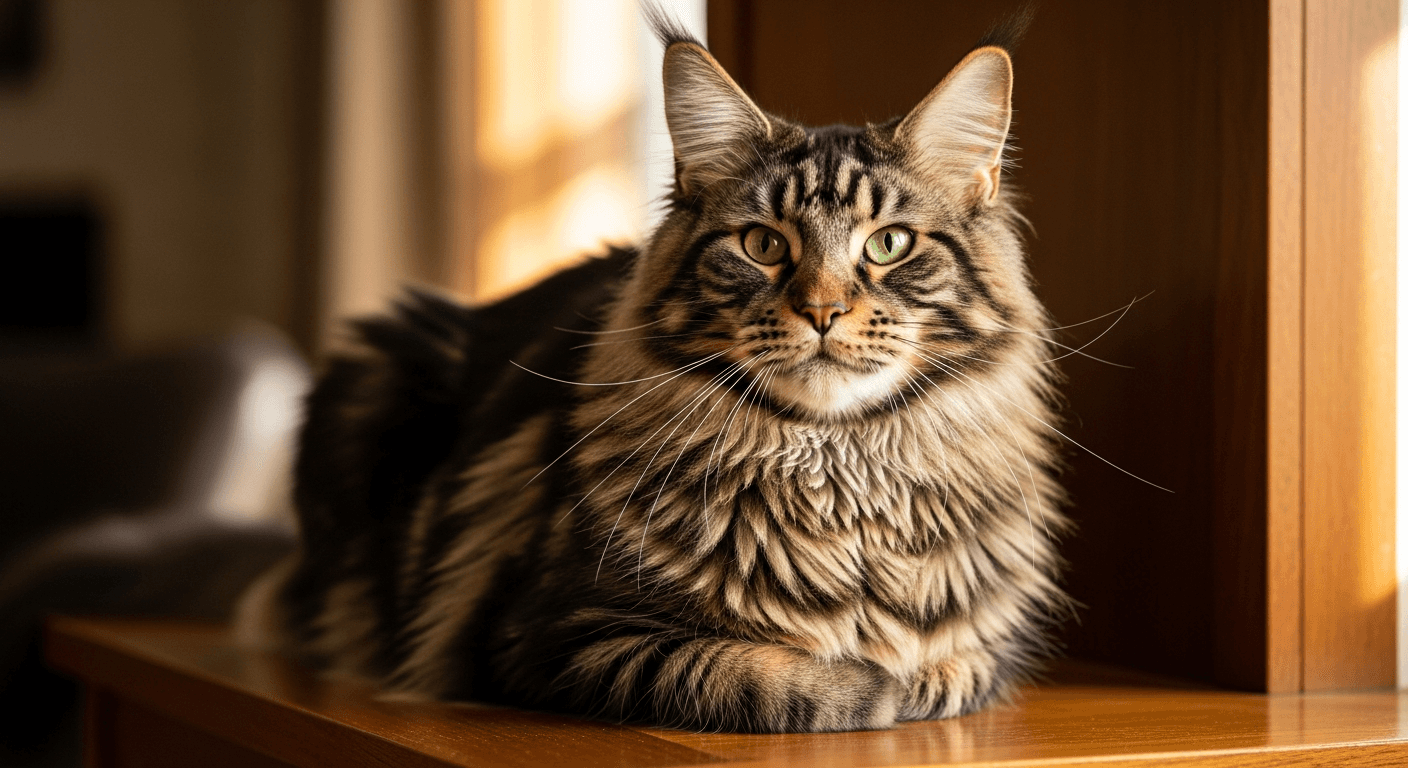
Maine Coon Cat: Complete Breed Guide — Personality, Care & Health
Discover everything about the Maine Coon: its dog-like personality, impressive size, grooming routine, health risks like HCM, and the ideal home environment.
 🐈 Cat Breeds
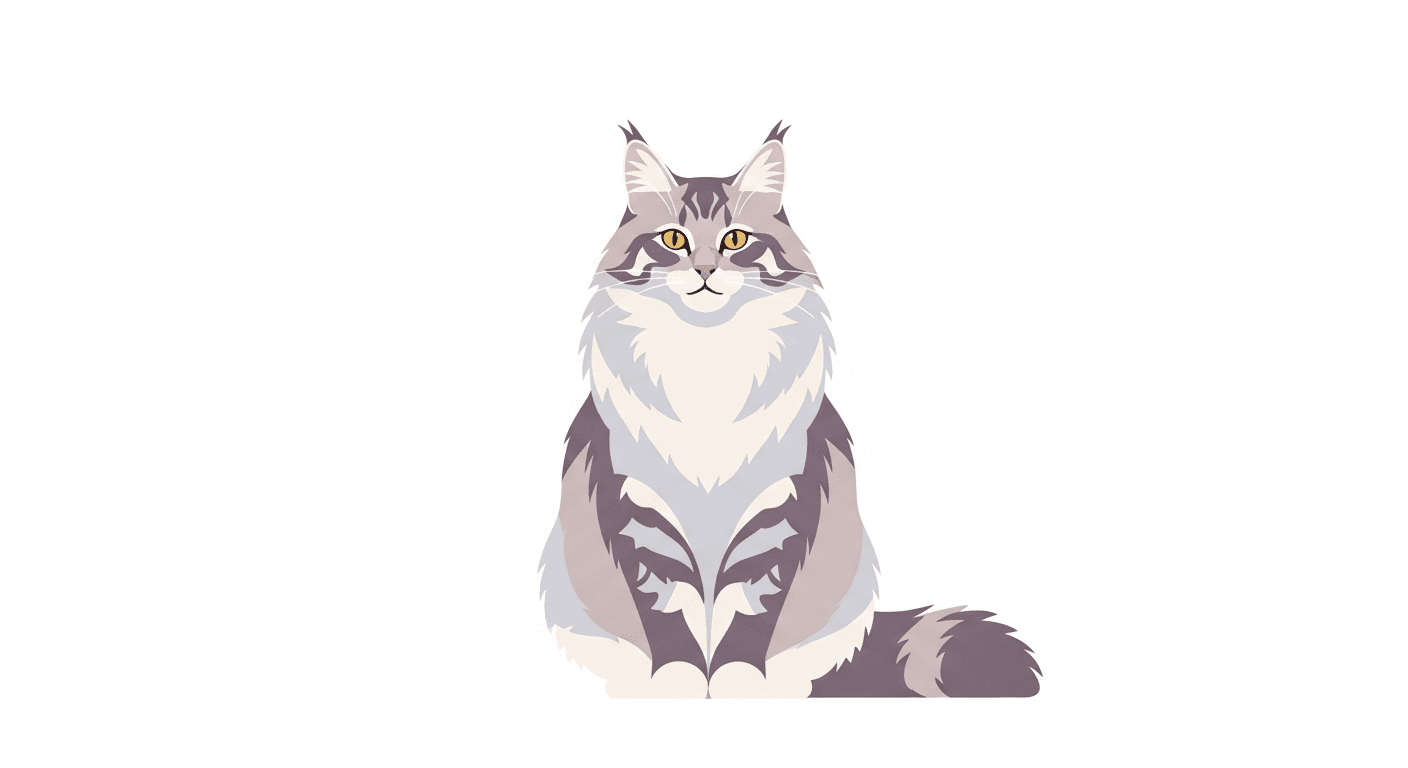
Siberian Cat: Complete Breed Guide — Personality, Coat & Health
Everything about Siberian cats: their ancient Russian forest origins, triple-layered water-resistant coat, gentle dog-like personality, low allergen potential, and breed-specific health needs.
 🐈 Cat Breeds
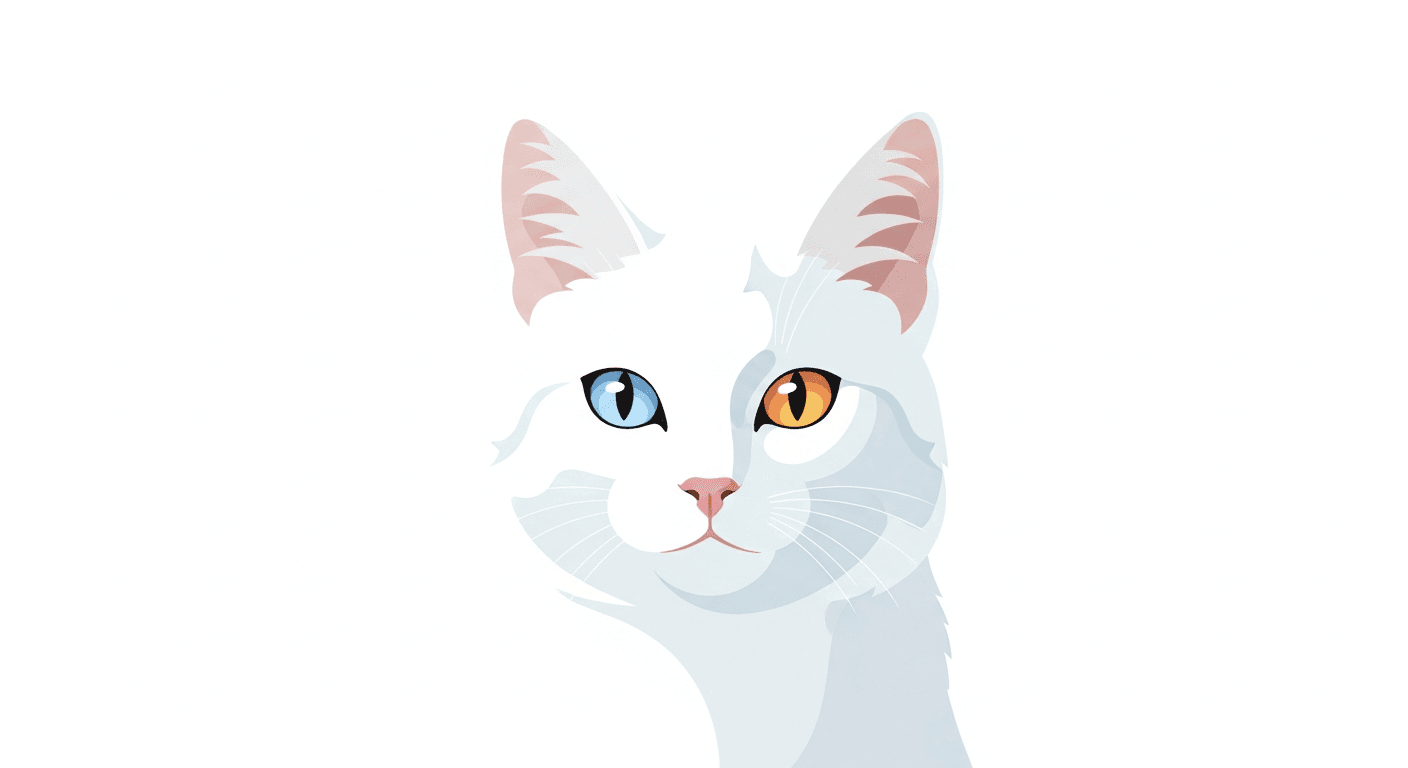
Turkish Van: Complete Breed Guide — The Swimming Cat
A complete guide to Turkish Van cats: their love of water, distinctive van pattern, energetic personality, minimal grooming needs, health considerations, and ideal home.