
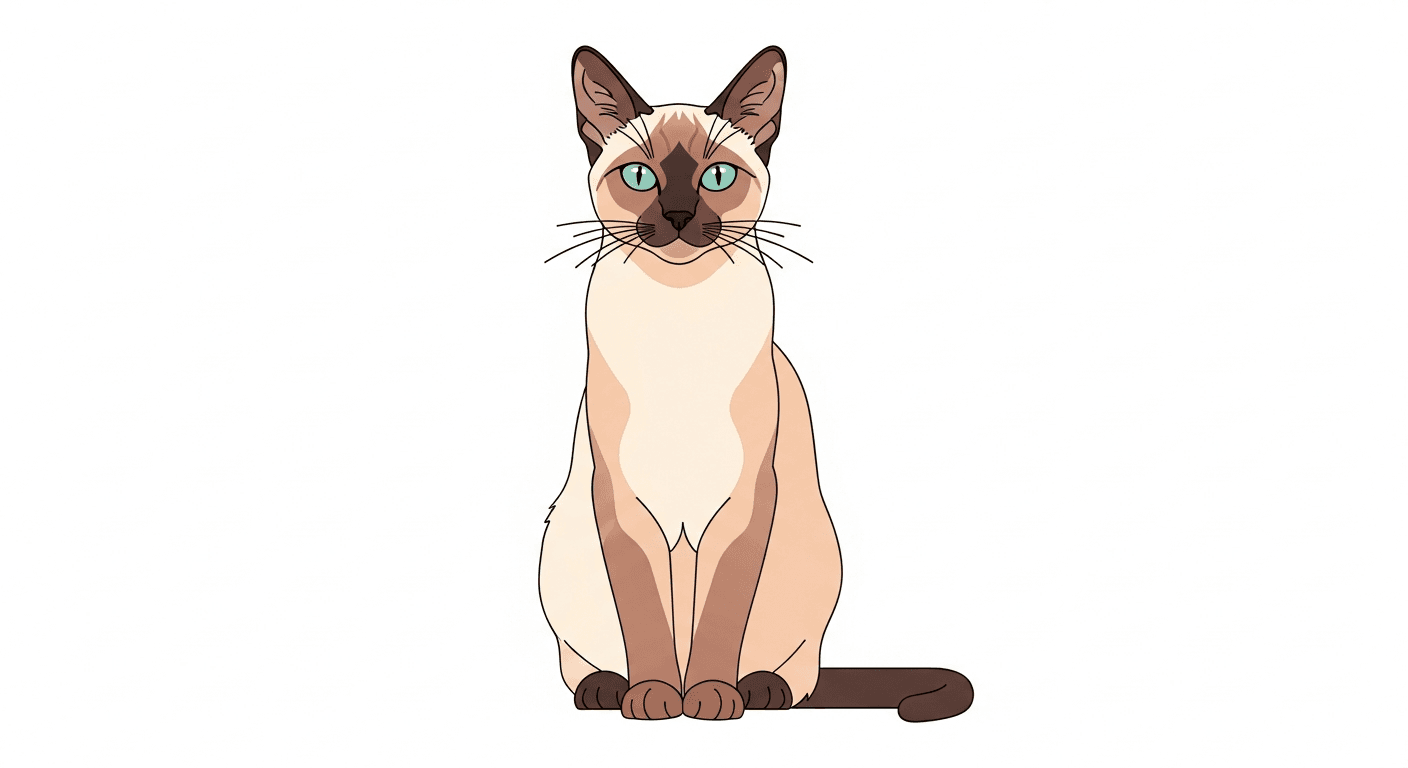
Tonkinese Cat Overview
The Tonkinese is a charming, medium-sized breed created by crossing the Siamese and Burmese to blend the best qualities of both parent breeds. First developed in Canada in the 1960s, the Tonkinese offers a moderate physical type — less extreme than the wedge-headed modern Siamese, and slightly more elegant than the rounded American Burmese. The breed was officially recognized in the early 1970s and has built a devoted following worldwide.
Tonkinese cats come in three coat patterns: pointed (like Siamese, with high-contrast color points and blue eyes), solid (more like Burmese, with less contrast and gold-green eyes), and the distinctive "mink" pattern unique to Tonkinese — intermediate contrast with aquamarine eyes, the color of tropical water. The mink pattern is the most sought-after. Base colors include natural (warm brown), champagne (beige), blue, and platinum. The coat is short, fine, and satin-smooth with minimal grooming needs.
Personality and Temperament
The Tonkinese personality is often described as a harmonious blend of Siamese intelligence and personality with Burmese warmth and adaptability. The result is a highly sociable, entertaining, and loving companion.
- Extremely sociable: Tonkinese love people — all people. They are friendly with strangers, excellent with children, and comfortable in busy households. They also enjoy the company of other cats and dogs.
- Vocal but less strident than Siamese: Tonkinese are chatty and communicative, but their voice is softer and less demanding than a pure Siamese. They have conversations with their people.
- Active and playful: They are energetic and enjoy interactive play, fetch, and puzzle toys. Their play drive remains strong throughout their life.
- Affectionate: Tonkinese enjoy physical contact and often seek laps, shoulders, and beds. They are not passive cats, but they are genuinely warm and cuddly.
- Intelligent: They learn tricks, respond to their names, and can be leash-trained. They benefit from regular mental stimulation.
- Not suited to isolation: Tonkinese need company. A second cat or an owner who is home frequently is essential for their wellbeing.
The Tonkinese strikes an excellent balance for people who want an interactive, social cat without the extreme demands of a Siamese or the separation anxiety potential of a Burmese.
Grooming Needs
The Tonkinese's short, fine, satin coat is among the easiest to maintain of any cat breed.
- Brushing: Once a week with a rubber grooming glove or soft bristle brush. The coat naturally maintains its luster. Tonkinese shed minimally.
- Bathing: Rarely needed. Tonkinese are excellent self-groomers.
- Nail trimming: Every 2–3 weeks.
- Dental care: Brush teeth 2–3 times per week and schedule annual professional cleanings. Like their Siamese and Burmese relatives, Tonkinese can be prone to gum disease.
- Ear care: Check and clean monthly. Their ears are moderate in size and not particularly prone to buildup.
The Tonkinese's minimal grooming demands make it a particularly accessible cat for new owners. The time investment goes into play and interaction, not grooming maintenance.
Health Risks and Common Conditions
Tonkinese are generally one of the healthier cat breeds, benefiting from hybrid vigor from the Siamese-Burmese cross. However, they can inherit conditions from both parent breeds.
- Amyloidosis: Inherited from Siamese lines, protein deposits in the liver can cause organ failure. Blood panels including liver function tests are important in routine wellness screenings.
- Hypertrophic Cardiomyopathy (HCM): Cardiac disease can occur. Annual cardiac auscultation is recommended.
- Periodontal disease: Early-onset gum disease is inherited from both parent breeds. Start dental care routines in kittenhood and maintain them throughout life.
- Diabetes Mellitus: Inherited Burmese predisposition means Tonkinese owners should monitor for diabetes signs, particularly in cats over 7 years old who are overweight.
- Strabismus: Crossed eyes, inherited from Siamese ancestry, can occasionally appear. Mostly cosmetic unless associated with other neurological signs.
Book a vet appointment at Happy Paws to establish a wellness schedule including liver function panels and dental assessments for your Tonkinese. Monitor weight and water intake with the TailRounds Daily Log. Find a Clinic near you experienced with Siamese-type breeds.
Ideal Home, Cost, and Availability
Tonkinese cats suit a wide range of households — families, singles, couples, multi-pet homes, and first-time cat owners. Their balanced temperament and minimal grooming needs make them an excellent all-around choice.
Purchase cost: $600–$1,200 from reputable breeders. Tonkinese are moderately available through breed clubs and occasionally in rescues.
Lifespan: 15–18 years. One of the longer-lived cat breeds, particularly in lines with careful health management. Hybrid vigor contributes to their generally excellent longevity.
Continue Reading
 🐈 Cat Breeds
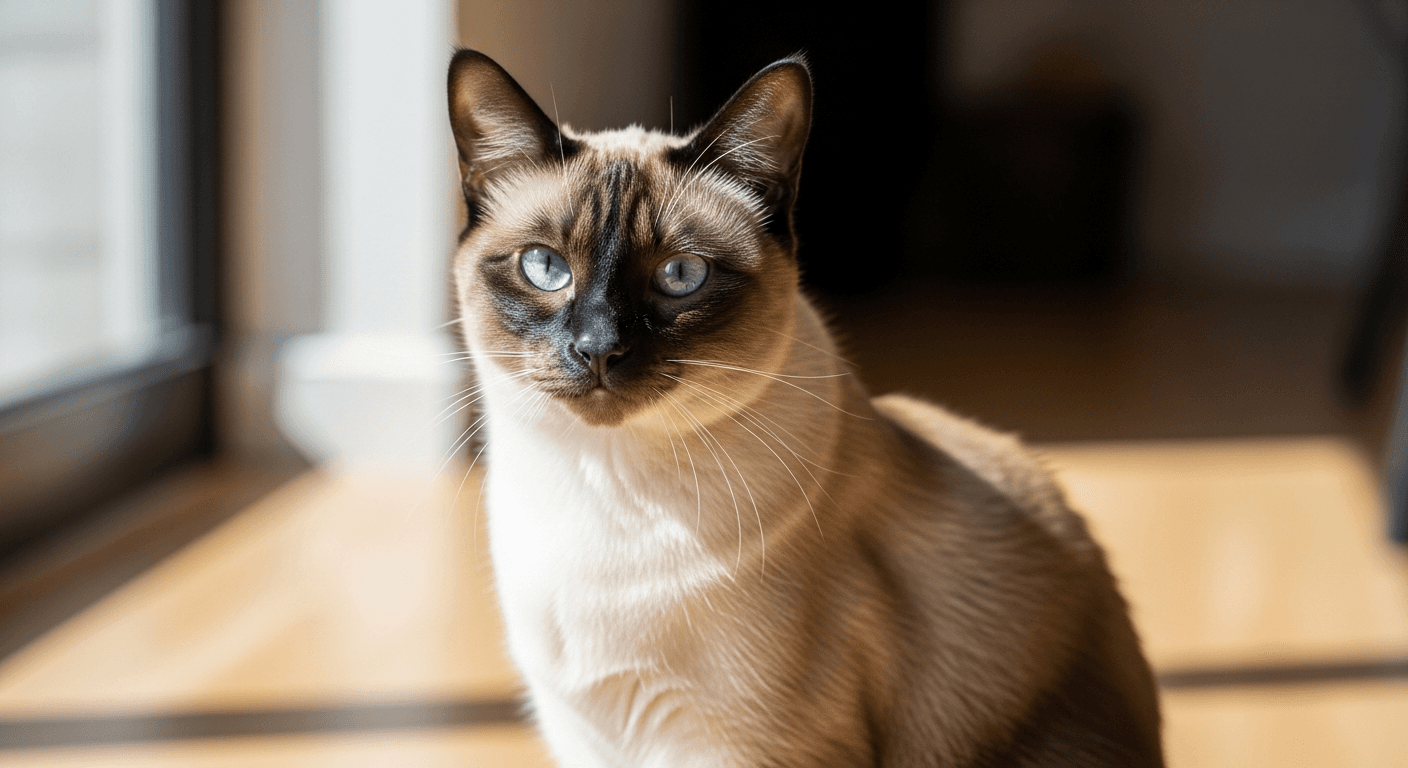
Siamese Cat: Complete Breed Guide — Personality, Care & Health
A full guide to the Siamese cat: its famously vocal personality, striking blue eyes, minimal grooming needs, health risks, and ideal living environment.
 🐈 Cat Breeds
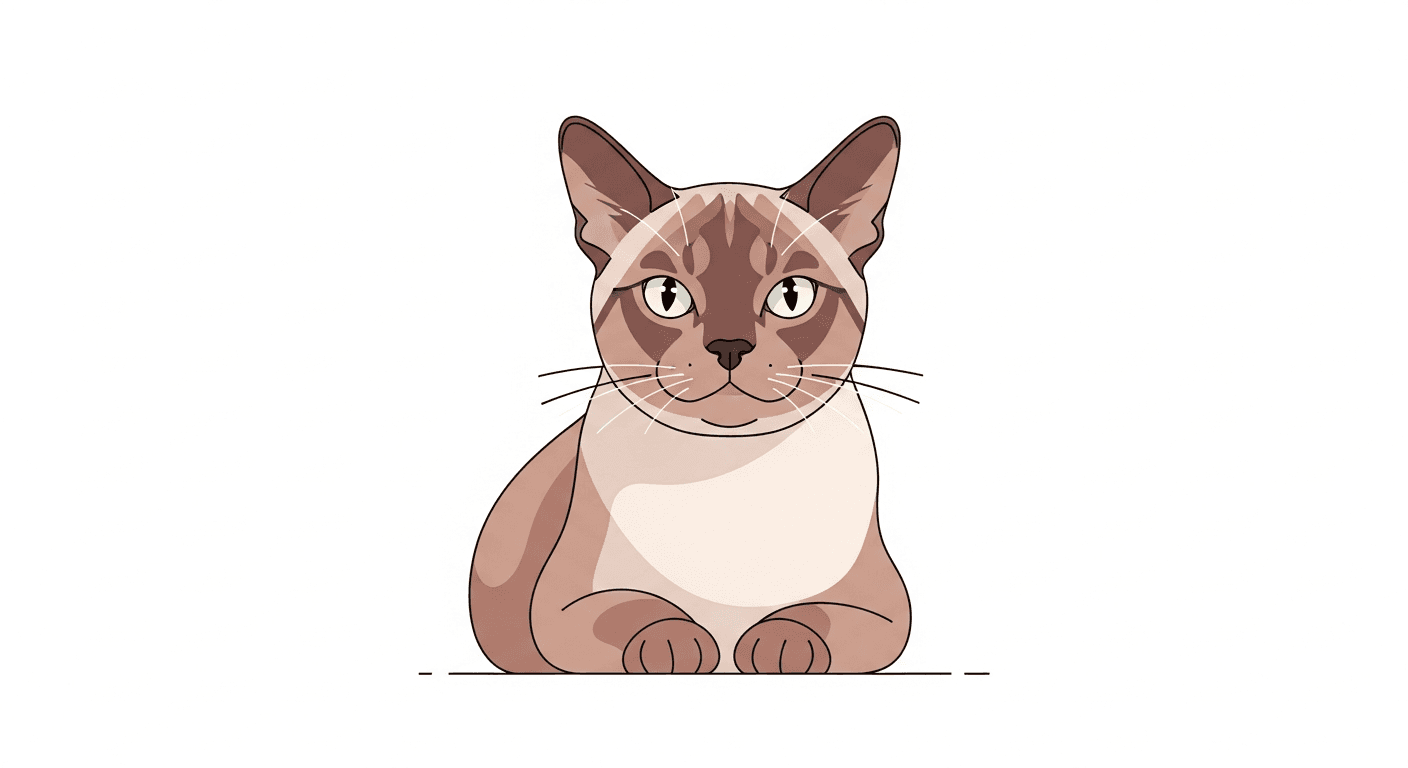
Burmese Cat: Complete Breed Guide — Personality, Care & Health
A full guide to Burmese cats: their satin coat, dog-like personality, facial defects in some lines, health risks including HCM and diabetes, and why they make exceptional family companions.
 🐈 Cat Breeds
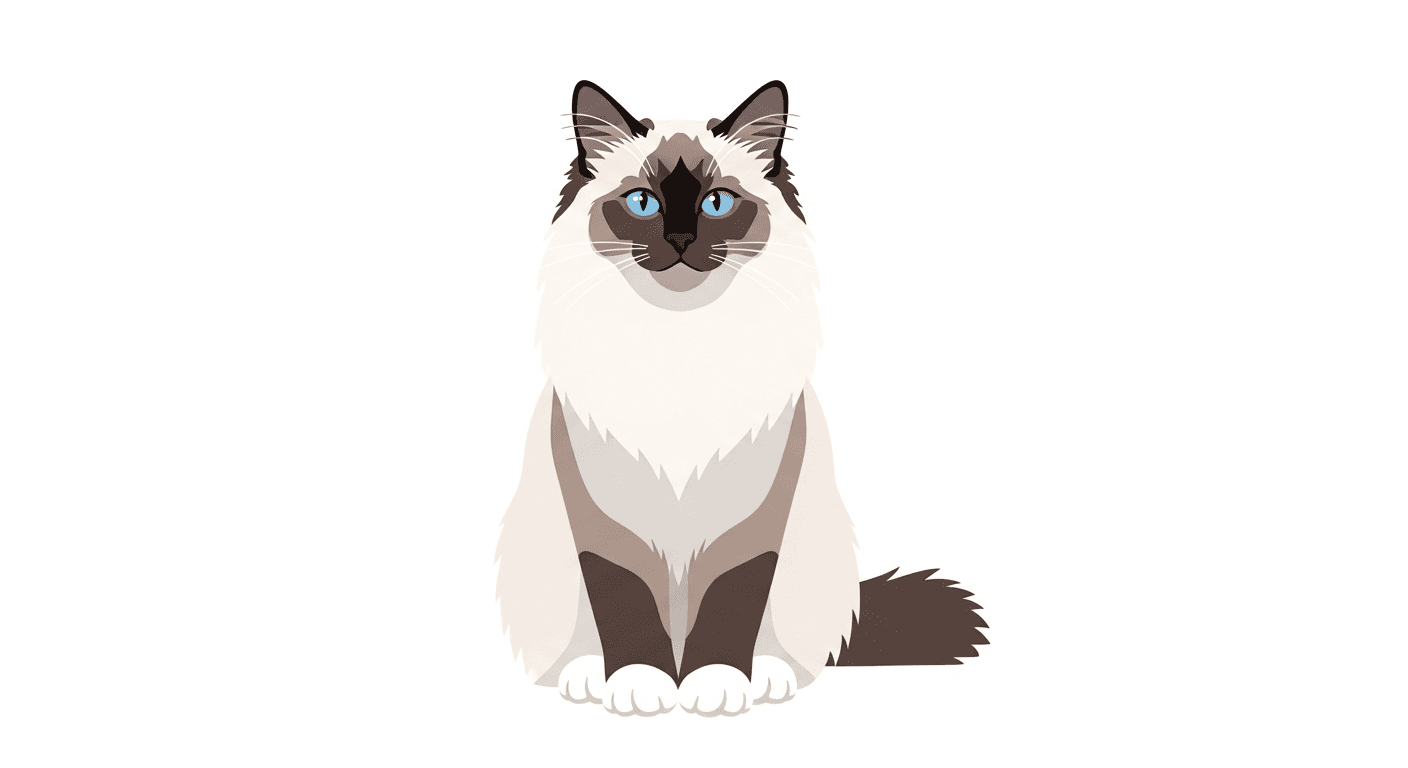
Birman Cat: Complete Breed Guide — Personality, Grooming & Health
A full guide to the Birman cat: its sacred temple origins, silky pointed coat, gentle personality, white-gloved paws, health risks, and ideal home environment.