
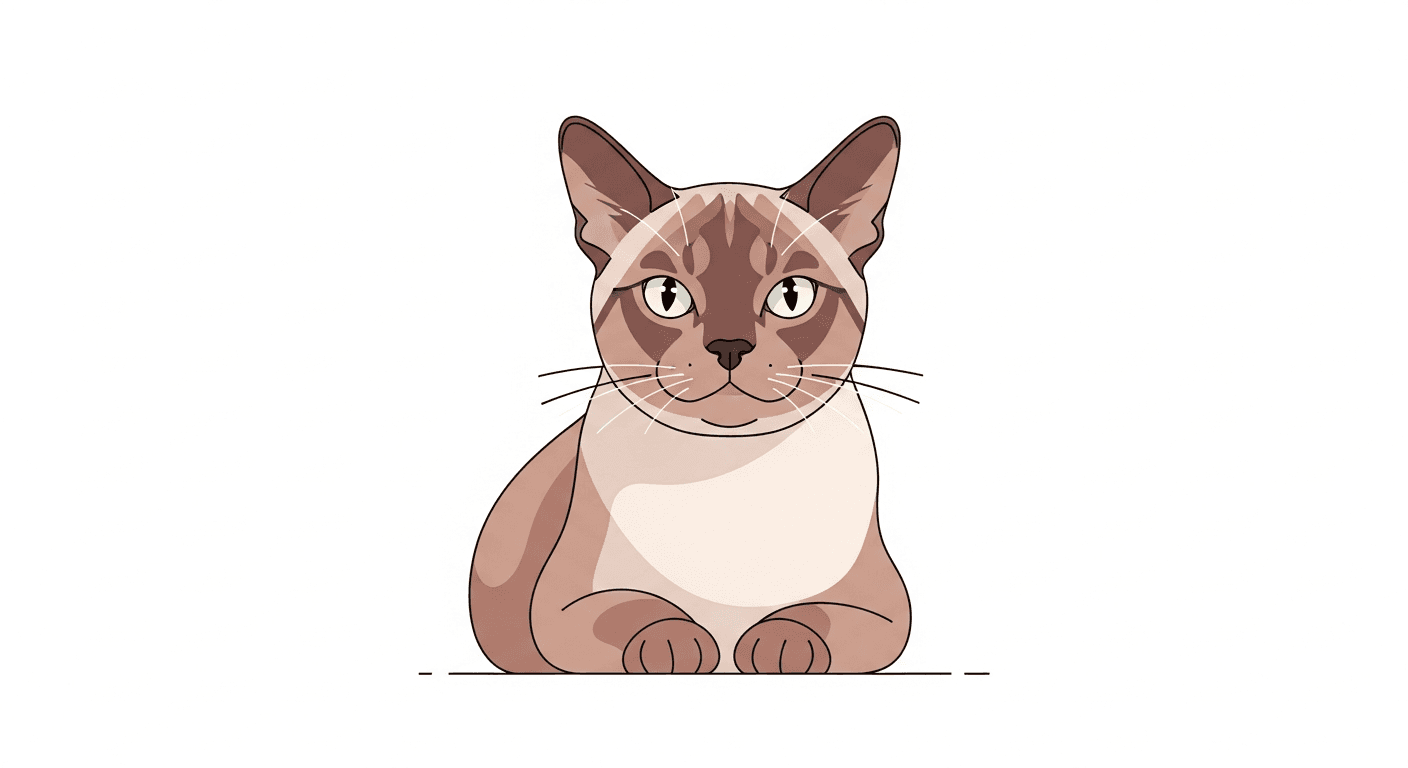
Burmese Cat Overview
The Burmese is a deeply affectionate, people-oriented breed that traces its modern origins to a single brown female cat named Wong Mau, brought to the United States from Burma in 1930 by Dr. Joseph Thompson. Crossed with Siamese cats and then back-bred to develop a consistent type, the Burmese became a recognized breed in 1936. Today, there are two distinct varieties: the American Burmese (more rounded, compact, with a rounder head) and the European/Traditional Burmese (more moderate, less extreme body type).
Burmese are medium-sized, surprisingly heavy cats for their size — they are often described as "a pound of cat in a half-pound bag" due to their unexpectedly dense, muscular build. Their coat is short, fine, and extraordinarily glossy — described as satin-like — with minimal grooming requirements. Traditional Burmese come in four colors: sable (dark brown), champagne (honey beige), blue, and platinum. European Burmese recognize additional colors including red, cream, brown tortie, blue tortie, chocolate, lilac, and their tortie variants.
Personality and Temperament
Burmese cats have one of the most dog-like personalities in the feline world. They are devoted, interactive, and deeply bonded to their humans in a way that surprises many new owners expecting typical "cat independence."
- Extremely people-oriented: Burmese follow their owners throughout the house, greet them at the door, and want to be involved in every activity. They do not understand the concept of personal space.
- Playful and kitten-like: They retain high energy and playfulness well into their senior years. Interactive play is critical at every life stage.
- Vocal but melodious: Burmese are chatty but less strident than Siamese. They have a pleasant, purring voice and communicate frequently.
- Adaptable: Burmese adjust well to different household compositions. They are good with children, other pets, and varying activity levels.
- Intelligent: They learn quickly and respond to training, including leash walking and simple commands.
- Can develop separation anxiety: Their high social needs mean Burmese can struggle when left alone for long periods. A companion cat (ideally another Burmese) is helpful for working households.
Burmese are among the best breeds for people who want a cat with dog-like devotion without the complexities of a dog. They are warm, entertaining, and endlessly affectionate.
Grooming Needs
The Burmese satin coat is one of the easiest to maintain of any breed.
- Brushing: Once a week with a rubber grooming glove or chamois cloth enhances the natural high-gloss finish. Burmese shed minimally.
- Bathing: Rarely necessary. Burmese are efficient self-groomers.
- Nail trimming: Every 2–3 weeks. Provide scratching posts to supplement.
- Dental care: Regular brushing and annual professional cleanings prevent periodontal disease. Burmese can be prone to early-onset gum disease.
- Eye care: Some Burmese experience mild tearing around the inner eye corners. Wipe gently with a damp cloth as needed.
Health Risks and Common Conditions
Burmese cats are generally healthy, but several significant conditions warrant owner awareness.
- Burmese Head Defect (BHD): A serious craniofacial defect affecting some American Burmese lines, caused by a specific gene variant. Affected kittens are born with severe facial deformities and do not survive. Responsible breeders DNA test for this gene and avoid pairings that could produce affected kittens. Always ask breeders about BHD testing.
- Hypertrophic Cardiomyopathy (HCM): Heart disease occurs in Burmese. Annual cardiac monitoring is recommended.
- Diabetes Mellitus: Burmese cats — particularly the British/Australian Burmese — have a significantly elevated risk of developing diabetes compared to the general cat population. Maintaining healthy weight is critical. Watch for excessive thirst, frequent urination, and weight loss despite good appetite.
- Hypokalaemia: Potassium deficiency has been documented in some Burmese lines, causing episodic muscle weakness. Blood potassium should be included in routine wellness panels.
- Periodontal disease: Early-onset gum disease is common. Start dental care routines in kittenhood.
Diabetes management in Burmese requires consistent monitoring and veterinary partnership. Book a vet appointment at Happy Paws to establish a wellness plan with glucose monitoring, potassium assessment, and cardiac screening. Track water intake and urination patterns with the TailRounds Daily Log — critical early diabetes indicators. Find a Clinic near you with internal medicine and endocrinology experience.
Ideal Home, Cost, and Availability
Burmese are ideal for engaged, home-present owners who want a deeply loyal companion. They suit families, couples, singles, and multi-pet homes with social companion animals.
Purchase cost: $800–$1,500 from reputable breeders with BHD testing. Burmese are available through breed-specific clubs and rescues.
Lifespan: 14–16 years with proper preventive care. Diabetes management significantly affects quality of life and longevity, so weight monitoring from kittenhood is the most important preventive investment.
Continue Reading
 🐈 Cat Breeds
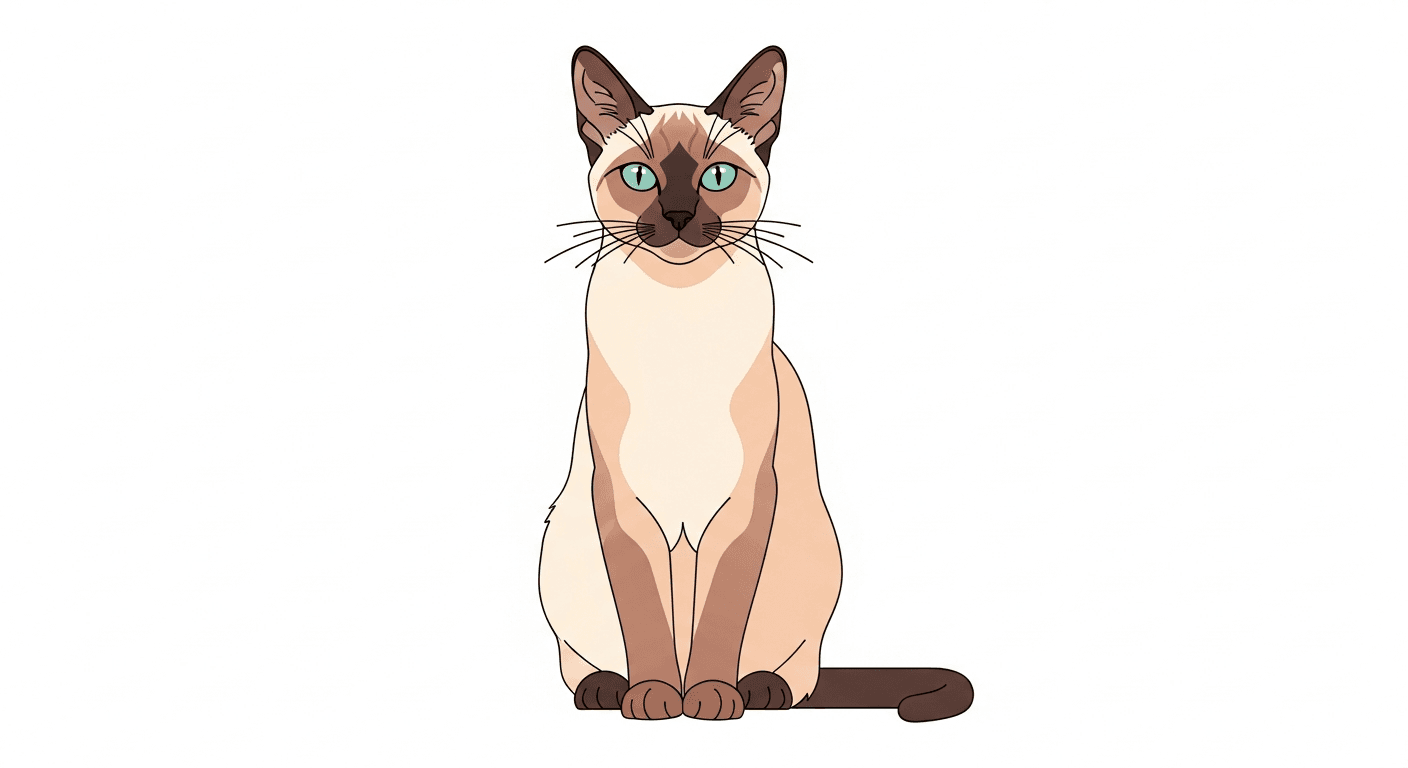
Tonkinese Cat: Complete Breed Guide — Personality, Care & Health
Everything about Tonkinese cats: their Siamese-Burmese heritage, mink coat pattern, chatty personality, good health record, and why they are one of the most sociable cat breeds.
 🐈 Cat Breeds
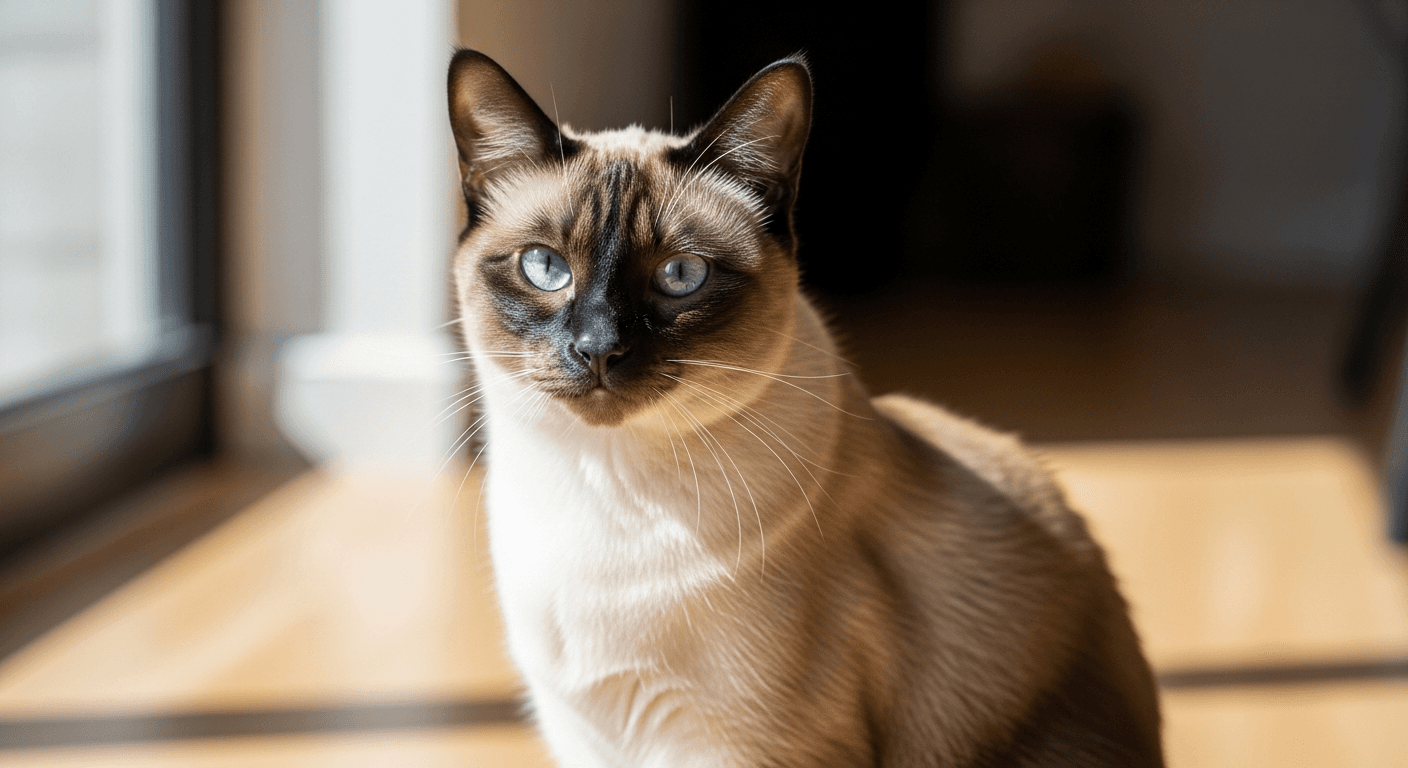
Siamese Cat: Complete Breed Guide — Personality, Care & Health
A full guide to the Siamese cat: its famously vocal personality, striking blue eyes, minimal grooming needs, health risks, and ideal living environment.
 🐈 Cat Breeds
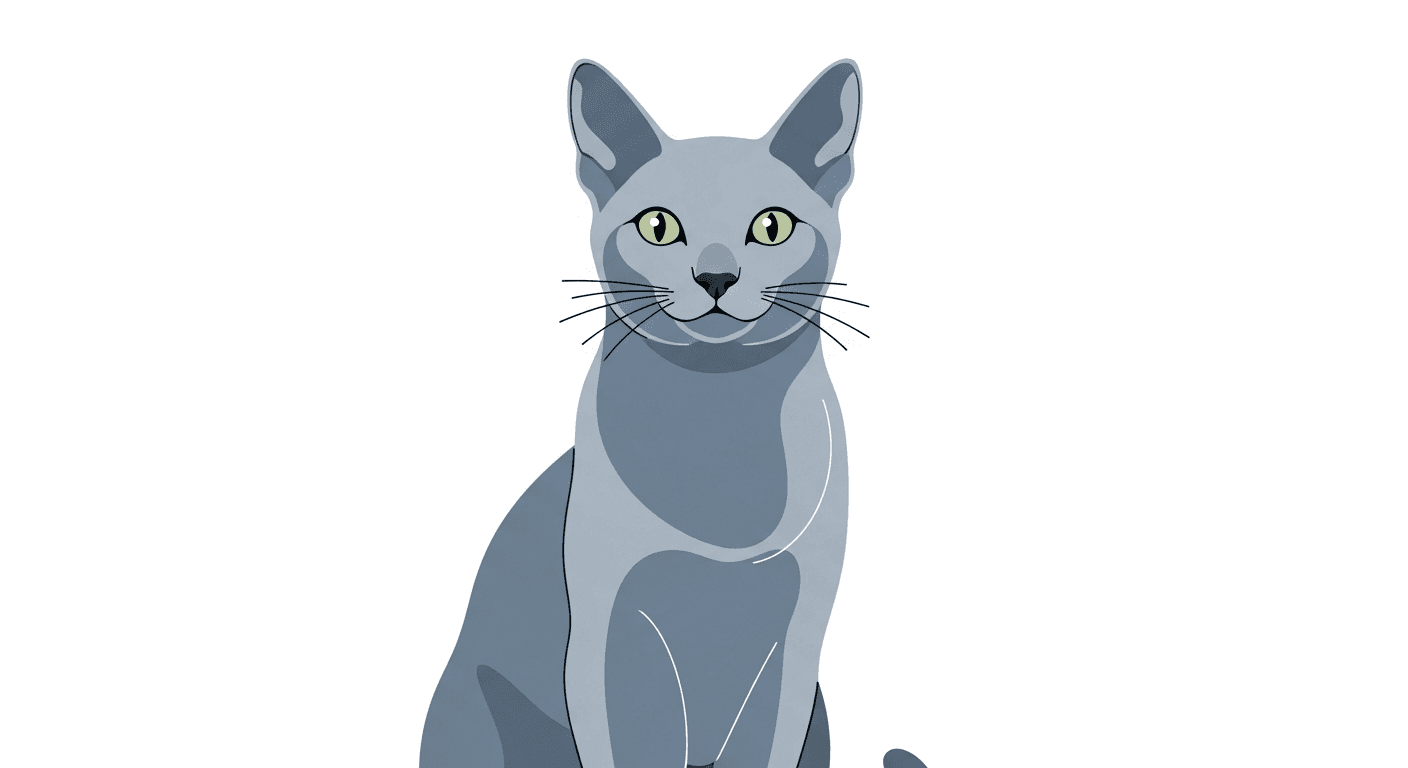
Russian Blue Cat: Complete Breed Guide — Personality, Care & Health
A complete guide to Russian Blue cats: their shy yet loving personality, stunning silver-blue coat, low allergen qualities, health risks, and ideal home environment.