
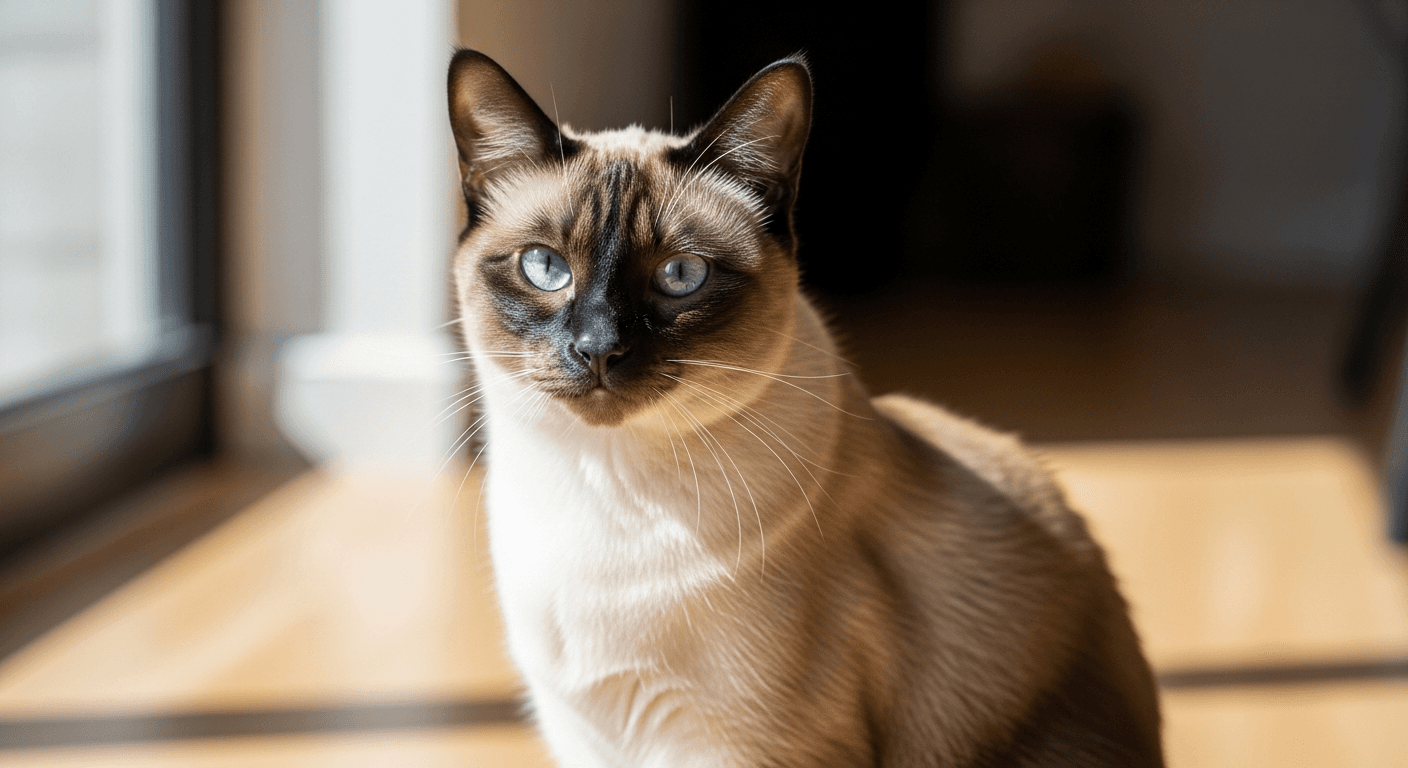
Siamese Cat Overview
The Siamese is one of the world's oldest and most celebrated cat breeds. Originating from Thailand (formerly Siam), these cats were revered by royalty and kept in temples for centuries. They arrived in the West in the late 19th century and quickly became show ring celebrities and beloved family companions. Today, the Siamese is recognized by its slender, elegant body, color-pointed coat, and dazzling blue eyes that are unlike any other breed.
Modern Siamese come in two distinct body types: the Traditional (or "Applehead") Siamese, which has a rounder head and more robust body, and the Modern (or "Wedge") Siamese, which is the sleek, angular show standard. Both types share the same core personality and care needs. Color points come in four classic variations: seal, chocolate, blue, and lilac, with the points (ears, face mask, paws, and tail) being darker than the pale body.
Personality and Temperament
No breed is more famous for its personality than the Siamese. These cats are extroverted, opinionated, and deeply bonded to their humans. They are not for owners seeking a quiet, independent cat.
- Extremely vocal: The Siamese "meow" — often described as a baby's cry — is loud, insistent, and frequent. They use their voice to communicate hunger, boredom, affection, and displeasure.
- Highly social: Siamese cats crave constant companionship. Left alone for long periods, they can develop anxiety, depression, or destructive behaviors.
- Intelligent and curious: They investigate everything, open cabinets, learn tricks, and can be leash-trained. Provide puzzle toys and interactive play daily.
- Loyal and affectionate: Siamese often bond intensely with one person, though they are friendly with the entire household.
- Dog-like behavior: Many Siamese play fetch, greet owners at the door, and follow them around the house.
Siamese cats do best in homes where someone is around most of the day or where they have a feline companion. A bored Siamese is a mischievous — and very loud — Siamese.
Grooming Needs
The Siamese is a low-maintenance breed when it comes to grooming. Their short, fine coat lies close to the body and rarely mats.
- Brushing: Once a week is sufficient to remove loose hairs and distribute skin oils. A rubber grooming mitt works well.
- Bathing: Rarely necessary. Siamese are fastidious self-groomers. Bathe only if the coat becomes soiled.
- Ear care: Check weekly and clean if there is visible wax buildup using a vet-approved solution.
- Dental hygiene: Siamese are prone to periodontal disease. Brush teeth 2–3 times per week with cat-safe toothpaste.
- Nail trimming: Every 2–3 weeks. Provide scratching posts to maintain claw health.
The Siamese coat is temperature-sensitive — the color points darken in cooler body areas. Interestingly, a Siamese kitten kept in a warm environment may develop lighter points than one in a cooler home.
Health Risks and Common Conditions
Siamese cats are generally healthy but have breed-specific health predispositions that owners should monitor.
- Progressive Retinal Atrophy (PRA): Gradual degeneration of retinal cells leading to vision loss. Genetic testing is available.
- Amyloidosis: A condition where amyloid protein deposits accumulate in organs — most commonly the liver — leading to organ failure. There is no cure; early detection helps manage the condition.
- Mediastinal Lymphoma: Siamese cats have a higher-than-average risk of developing lymphoma, particularly mediastinal lymphoma affecting the chest cavity. Signs include breathing difficulty and regurgitation.
- Dental disease: Siamese are prone to gingivitis and tooth resorption. Regular dental cleanings under anesthesia are recommended.
- Respiratory issues: The elongated head structure in modern Siamese can contribute to minor airway issues, though they are not brachycephalic.
- Crossed eyes and kinked tails: Historically common genetic traits in Siamese. Most have been bred out in modern lines, but some traditional Siamese still display these features.
Annual vet visits are essential. Book a vet appointment at Happy Paws to establish a preventive care schedule including dental cleanings and blood panels. Use the TailRounds Daily Log to track your Siamese's appetite, vocalization changes, and weight — key early indicators of health issues.
Ideal Home, Cost, and Availability
The Siamese thrives in active, social households. They are wonderful with families, other cats, and even dogs. They are not suited to quiet, solitary homes or owners who are away all day.
Best paired with: Another Siamese or an equally social breed for companionship. They can become destructive or develop anxiety when chronically lonely.
Purchase cost: $600–$1,500 from a reputable breeder. Traditional Siamese from breeders focusing on the older type may be slightly less common. Siamese are one of the more readily available breeds in shelters.
Lifespan: 15–20 years. Siamese are long-lived cats with proper care. Some individuals have lived into their mid-20s. Find a Clinic experienced with Siamese to establish long-term preventive care.
Continue Reading
 🐈 Cat Breeds
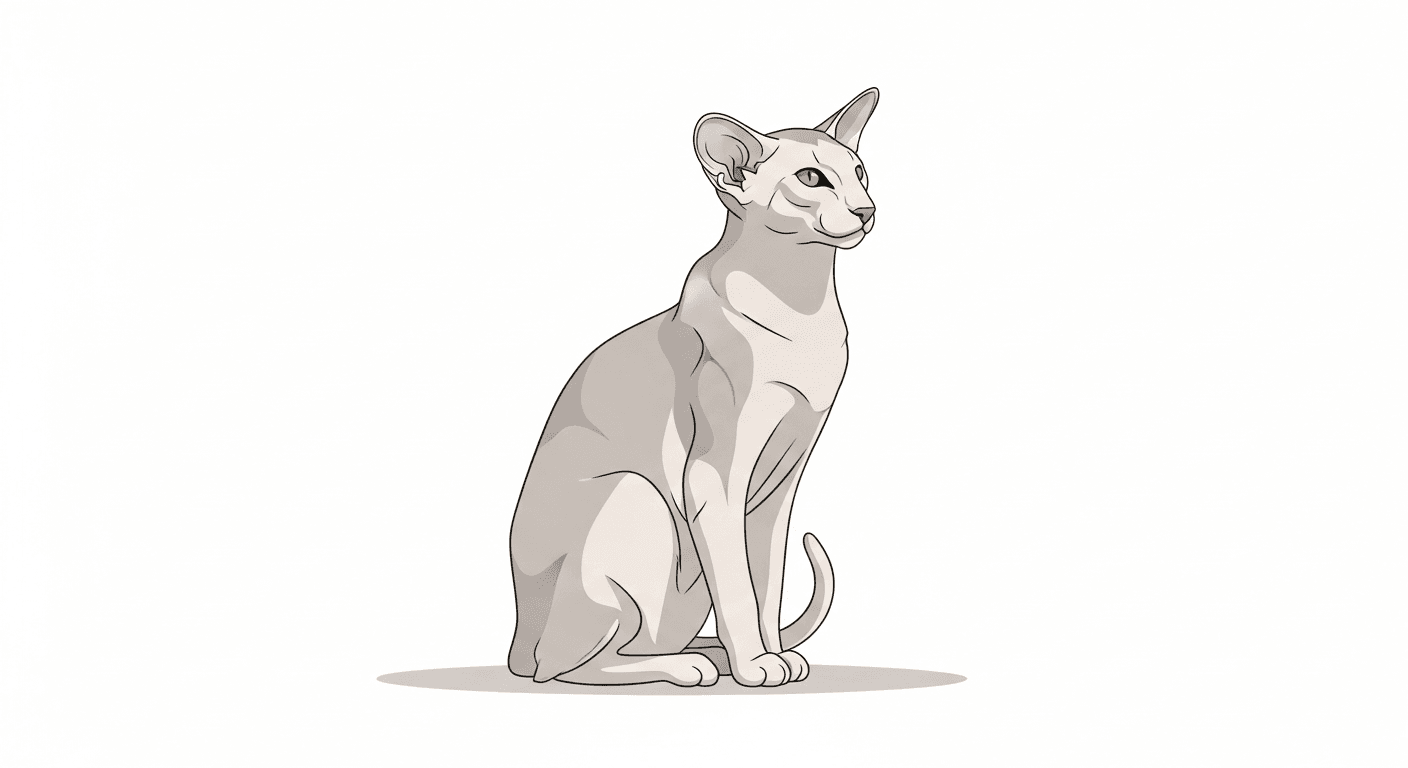
Oriental Shorthair: Complete Breed Guide — Personality, Care & Health
A full guide to the Oriental Shorthair: its dramatic appearance, extraordinary range of colors, Siamese-like personality, health risks, and why this breed is not for the faint of heart.
 🐈 Cat Breeds
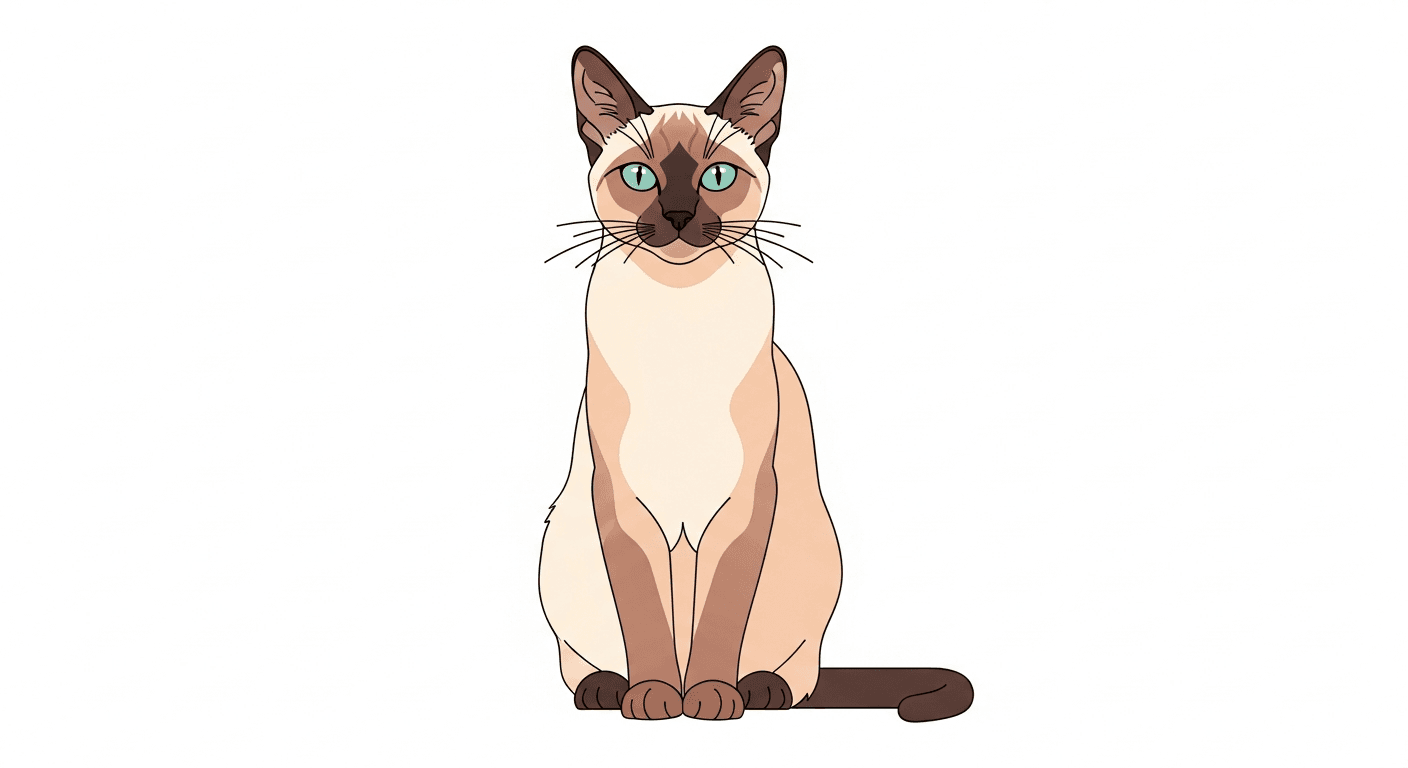
Tonkinese Cat: Complete Breed Guide — Personality, Care & Health
Everything about Tonkinese cats: their Siamese-Burmese heritage, mink coat pattern, chatty personality, good health record, and why they are one of the most sociable cat breeds.
 🐈 Cat Breeds
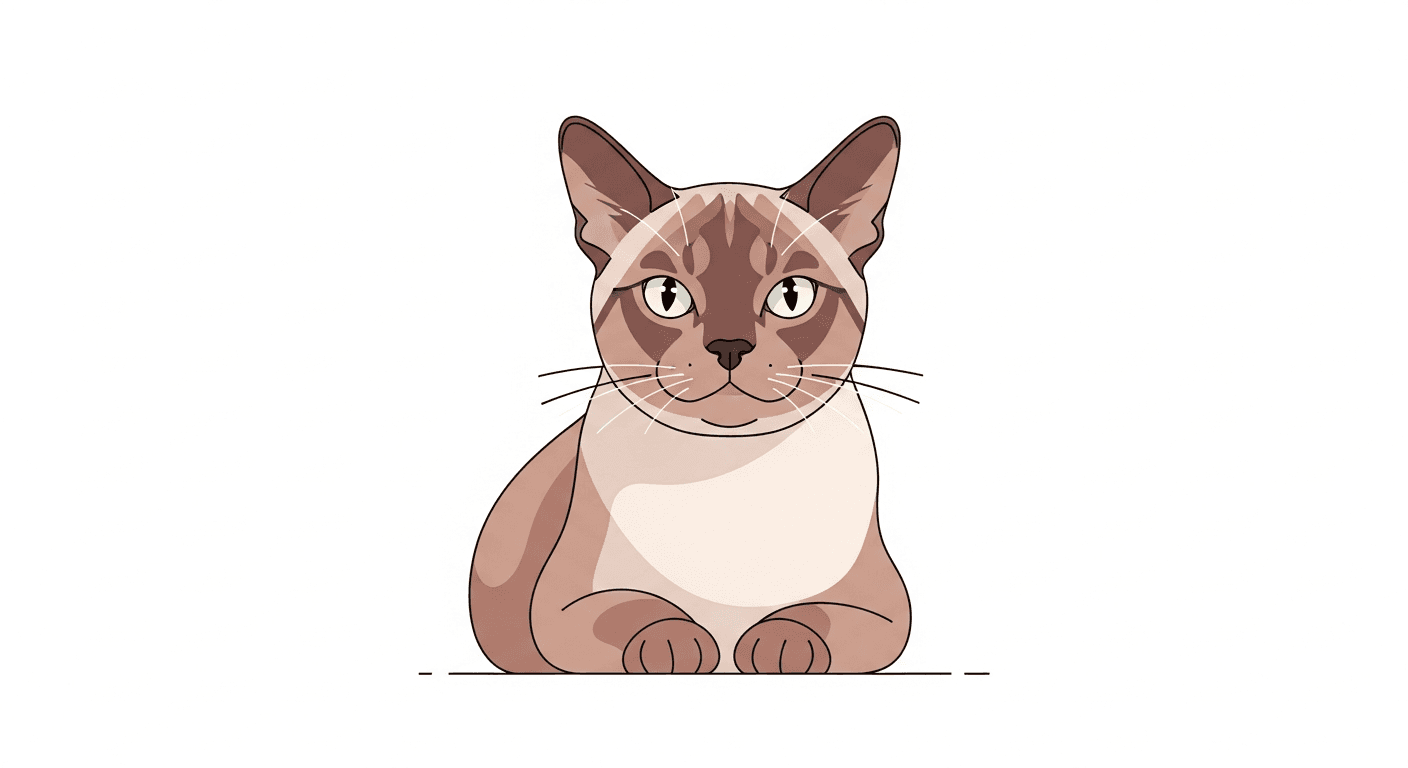
Burmese Cat: Complete Breed Guide — Personality, Care & Health
A full guide to Burmese cats: their satin coat, dog-like personality, facial defects in some lines, health risks including HCM and diabetes, and why they make exceptional family companions.