
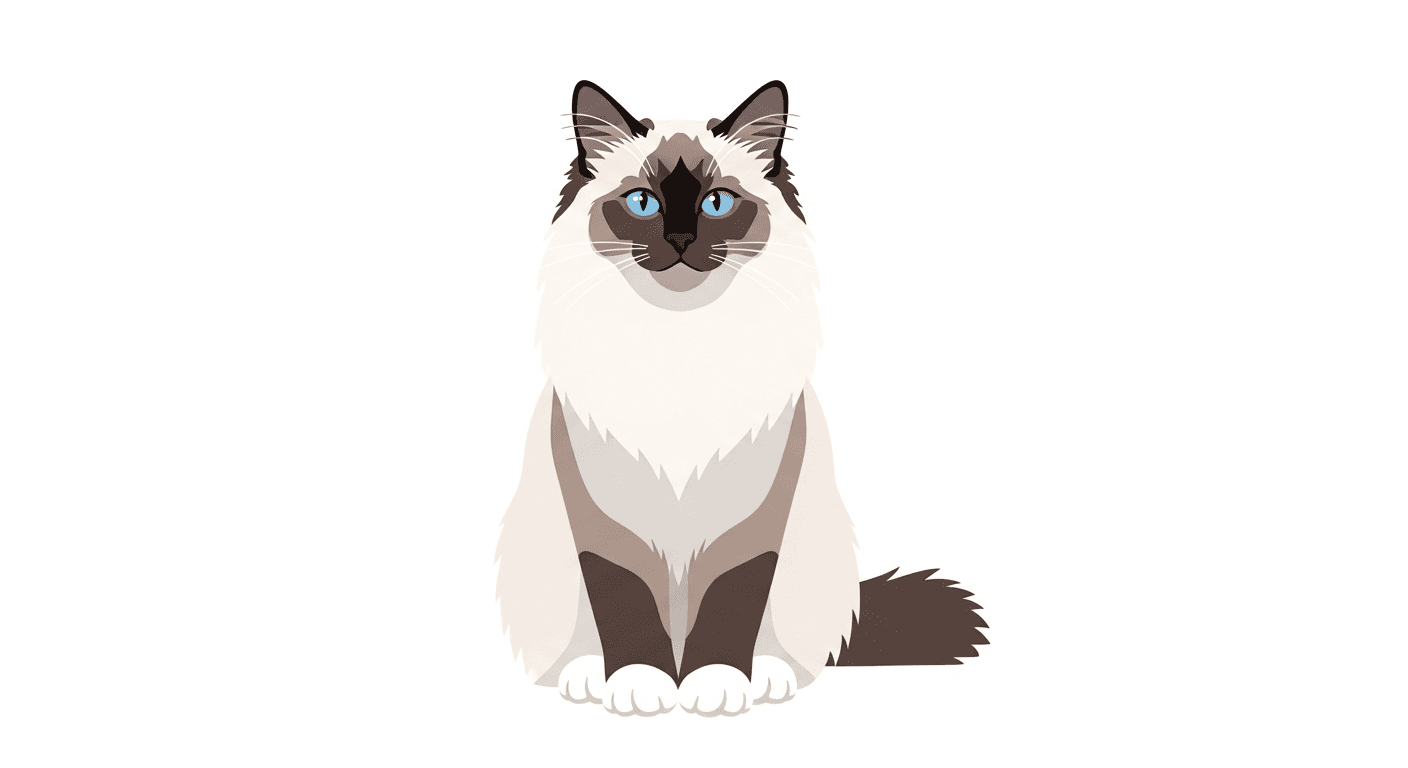
Birman Cat Overview
The Birman, also known as the "Sacred Cat of Burma," is shrouded in legend. According to Burmese mythology, Birmans were the companions of temple priests and were touched by the goddess Tsun-Kyan-Kse — transforming their white coats to golden and their yellow eyes to blue. Whether or not the legend holds, the Birman is undeniably one of the most beautiful and gentle cat breeds in existence. The modern breed was developed in France from cats believed to have been brought from Burma in the early 20th century.
Birmans are medium to large cats with a stocky, silky semi-long coat in a pointed pattern (like a Siamese), but with one defining unique characteristic: all four paws end in pure white "gloves." This glowing feature, combined with their deep blue eyes and silky, non-matting coat (they have no undercoat), makes them one of the most visually distinctive breeds. Colors include seal, blue, chocolate, lilac, red, cream, and tortie points.
Personality and Temperament
Birmans occupy a beautiful middle ground between the active and the calm, the social and the self-sufficient. They are considered one of the most well-balanced breeds in terms of personality.
- Gentle and affectionate: Birmans are deeply loving without being demanding. They enjoy being near their owners and will follow them around the home.
- Sociable with all: They are friendly toward strangers, tolerant with children, and generally accepting of other pets. They are not territorial.
- Calm and quiet: Birmans have a soft, melodious voice and use it moderately. They are not loud or insistent like Siamese.
- Playful but not hyperactive: They enjoy interactive games and toys but are equally happy resting peacefully. They match their energy to their household.
- Emotionally intelligent: Birmans seem tuned in to their owners' moods. They offer comfort when their person is unwell or upset.
- Excellent with children: Their patient, tolerant nature makes them one of the best breeds for families with young children.
Birmans are ideal companion cats for a wide range of owners. They have the warmth of a lap cat and the social grace of a family dog — minus the demands of either extreme.
Grooming Needs
Despite the semi-long coat, Birmans are surprisingly easy to groom. Their coat has no woolly undercoat, which means it rarely mats — a significant advantage over many other long-haired breeds.
- Brushing: Two to three times per week with a medium comb or soft slicker brush. Increase to daily during spring shedding season.
- White gloves: The distinctive white paws can become stained, especially around litter boxes. Wipe gently with a damp cloth as needed. Use a clumping litter to minimize tracking.
- Bathing: Every 6–8 weeks is recommended to maintain the silky texture and brightness of the coat. Birmans generally tolerate bathing.
- Tail: The full, plumed tail requires attention during brushing — work through it gently to prevent tangles at the base.
- Dental care: Brush teeth 2–3 times per week and schedule annual dental check-ups.
Birman coats have a beautiful, flowing quality that responds well to a high-quality diet rich in fatty acids. Feed premium food appropriate to life stage for the best coat condition.
Health Risks and Common Conditions
Birmans are generally healthy, but there are breed-specific conditions that responsible owners should monitor.
- Hypertrophic Cardiomyopathy (HCM): Documented in Birmans. Annual cardiac auscultation and periodic echocardiography are recommended from age 3 onwards.
- Congenital Hypotrichosis: A rare condition in which affected kittens are born hairless and typically do not survive. Reputable breeders are aware of carrier lines and test accordingly.
- Corneal Dermoid: A rare developmental abnormality where skin-like tissue grows on the cornea. Surgical correction is effective.
- Urinary tract disease: Including FIC (Feline Idiopathic Cystitis) and crystals. A high-moisture diet and environmental stress reduction help prevent recurrence.
- Thyroid disease: Hyperthyroidism becomes increasingly common in cats over age 7. Include thyroid testing in senior wellness screens.
Book a vet appointment at Happy Paws to establish a cardiac screening schedule and wellness plan for your Birman. Track daily observations — appetite, grooming, and energy — with the TailRounds Daily Log. Find a Clinic near you with feline cardiac and internal medicine capabilities.
Ideal Home, Cost, and Availability
Birmans suit virtually any household type — singles, couples, families with children, seniors, and multi-pet homes. They adapt to apartments and large homes equally well.
Purchase cost: $900–$2,000 from reputable breeders. Birmans are relatively popular and available through breed-specific clubs and catteries in most countries.
Lifespan: 13–15 years on average, with well-cared-for individuals reaching 18 years. A rewarding, long-term companion breed for virtually any cat lover.
Continue Reading
 🐈 Cat Breeds
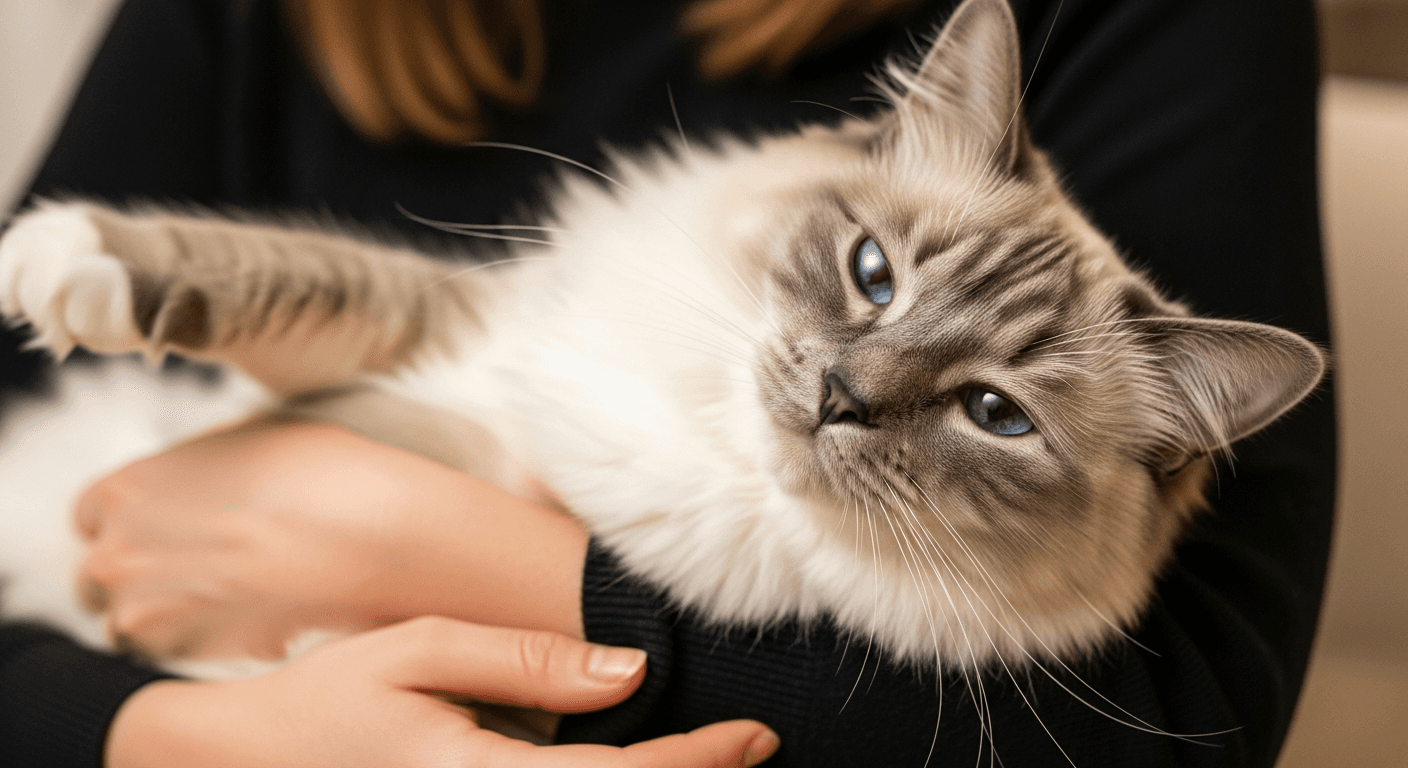
Ragdoll Cat: Complete Breed Guide — Personality, Grooming & Health
Everything about Ragdoll cats: their famously gentle temperament, semi-long coat care, HCM risk, litter size, and whether this blue-eyed breed fits your lifestyle.
 🐈 Cat Breeds
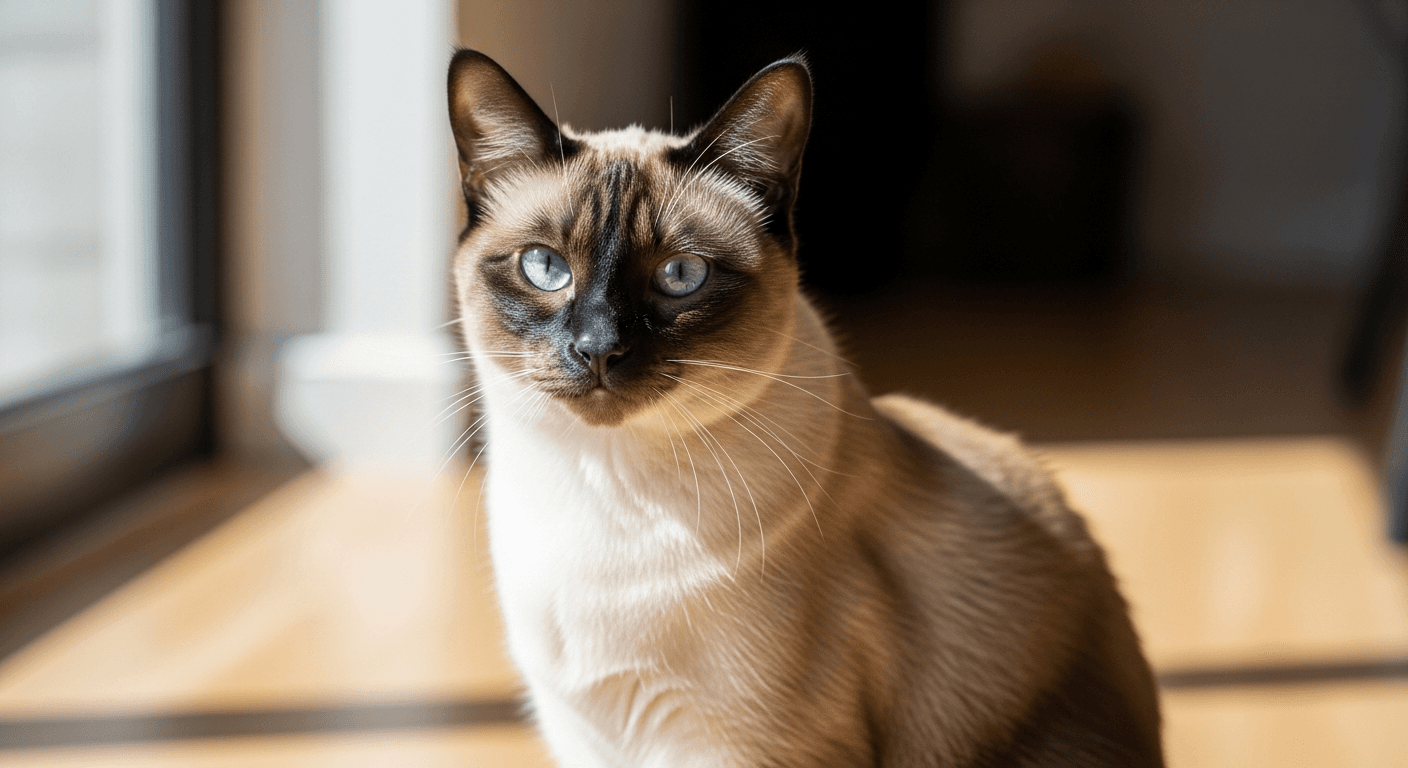
Siamese Cat: Complete Breed Guide — Personality, Care & Health
A full guide to the Siamese cat: its famously vocal personality, striking blue eyes, minimal grooming needs, health risks, and ideal living environment.
 🐈 Cat Breeds
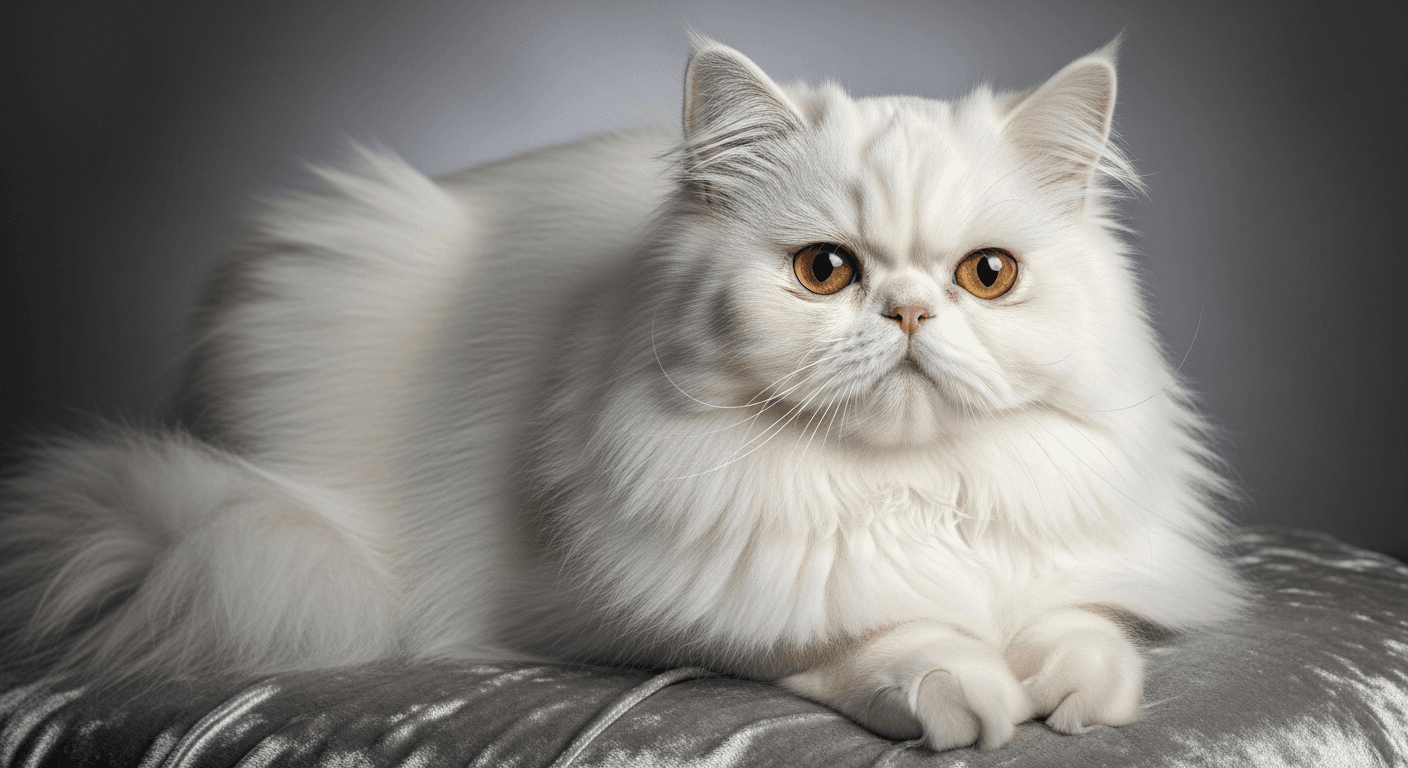
Persian Cat: Complete Breed Guide — Personality, Grooming & Health
Everything you need to know about Persian cats: temperament, coat care, common health issues, and whether this elegant breed suits your home.