
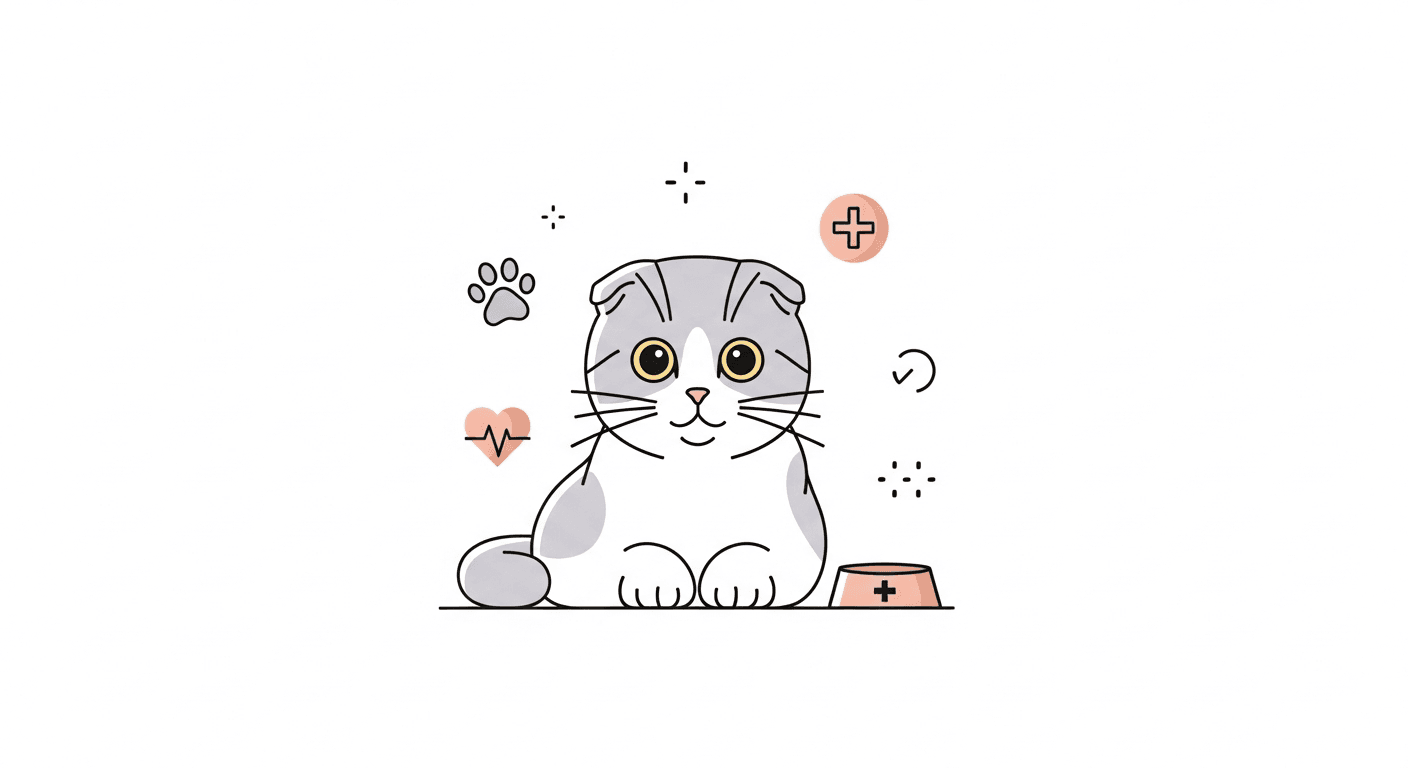
Scottish Fold Overview
The Scottish Fold is one of the most recognizable cat breeds in the world, distinguished by its unique folded ears that give the face an owl-like, round appearance. The breed originated from a natural genetic mutation discovered in a barn cat named Susie in Scotland in 1961. Today, Scottish Folds are internationally popular, especially in social media culture where their rounded appearance and placid poses have made them internet icons.
Scottish Folds are medium-sized, rounded cats with round heads, large round eyes, and a naturally compact body. The ear fold is caused by a dominant gene (Fd) that affects cartilage development throughout the body. Cats can be straight-eared (Folds bred to non-folded cats produce both folded and straight-eared offspring) or folded — the degree of fold varies from single (slightly tipped) to double or triple fold (ears lying flat against the head). Scottish Folds come in both short-haired and long-haired (Highland Fold) varieties, in virtually every color and pattern.
Personality and Temperament
Beyond their striking appearance, Scottish Folds have a personality that matches their gentle looks.
- Calm and gentle: Scottish Folds are laid-back, sweet-natured cats. They are not demanding or aggressive.
- Affectionate without being clingy: They enjoy being near their people but are not overly vocal or insistent.
- Adaptable: They adjust well to different household dynamics — families, singles, seniors, and multi-pet homes.
- Playful in a moderate way: They enjoy interactive toys and gentle play but are not as high-energy as Bengals or Abyssinians.
- Quirky postures: Scottish Folds are known for sitting in unusual positions — on their back with legs straight, sphinx position, or "Buddha sit" — which are endearing but can sometimes indicate discomfort if related to joint pain.
- Quiet voices: Their vocalizations are soft and melodic. They are not loud or demanding.
Scottish Folds bond well with their families and tend to be devoted companions. Their tolerant nature makes them popular with children and other pets.
Grooming Needs
Grooming requirements depend on coat length. Short-haired Scottish Folds are easy to maintain; Highland Folds (long-haired) require more regular attention.
- Short-haired: Brush once or twice a week with a soft slicker brush. Minimal shedding outside of seasonal changes.
- Long-haired (Highland Fold): Brush 2–3 times per week to prevent tangles, especially around the ruff, belly, and hindquarters.
- Ear care (critical): The folded ear canals trap debris and moisture more easily than upright ears. Clean ears gently weekly with a vet-approved solution using a soft cotton ball. Watch for signs of infection: odor, dark discharge, scratching at ears.
- Nail trimming: Every 2–3 weeks.
- Dental hygiene: Regular brushing 2–3 times per week.
Ear cleaning is especially important in this breed. If your Scottish Fold shakes its head frequently or scratches at its ears, consult your vet promptly.
Health Risks, Ethical Concerns, and Common Conditions
The Scottish Fold is at the center of a significant ethical and welfare controversy that every potential owner must understand before acquiring this breed.
- Osteochondrodysplasia (OCD): The gene that causes folded ears (Fd) also affects cartilage and bone development throughout the entire body — not just the ears. All Scottish Folds carry this gene. Homozygous cats (two copies of Fd, produced by Fold-to-Fold breeding) develop severe, crippling degenerative joint disease affecting the spine, tail, and limbs. Even heterozygous cats (one copy of Fd) can develop varying degrees of this condition. Signs include lameness, stiff gait, reluctance to move, pain when touched, and abnormally short or stiff tails.
- The ethical debate: The British Veterinary Association, the Governing Council of the Cat Fancy (GCCF), and several European countries have called for a ban on breeding Scottish Folds due to this inherent welfare concern. GCCF withdrew recognition of the breed in 1971. The gene cannot be "bred out" — it is the fold itself.
- Polycystic Kidney Disease (PKD): Has appeared in some Scottish Fold lines due to historical crossbreeding with Persians. DNA testing available.
- Ear infections: The ear canal conformation predisposes Folds to recurrent infections.
- Heart disease (HCM): Cardiac monitoring is advised annually.
If you own or are considering a Scottish Fold, work with a vet experienced in musculoskeletal assessment. Book a vet appointment at Happy Paws for a full joint and cardiac assessment. Track mobility and posture changes with the TailRounds Daily Log. Find a Clinic near you that can assess skeletal health in brachymorphic breeds.
Ideal Home, Cost, and Availability
Scottish Folds are gentle companions that suit many household types. However, given the significant health concerns, prospective owners should approach this breed with full awareness of the welfare implications and commit to rigorous veterinary monitoring.
Purchase cost: $1,000–$3,000. Demand driven by social media has created a market with many unscrupulous breeders — avoid any breeder who breeds Fold-to-Fold pairings. Always request a skeletal health assessment and ask about OCD screening.
Lifespan: 11–15 years for well-managed cats, though severe OCD significantly impacts quality of life and may shorten lifespan.
Continue Reading
 🐈 Cat Breeds
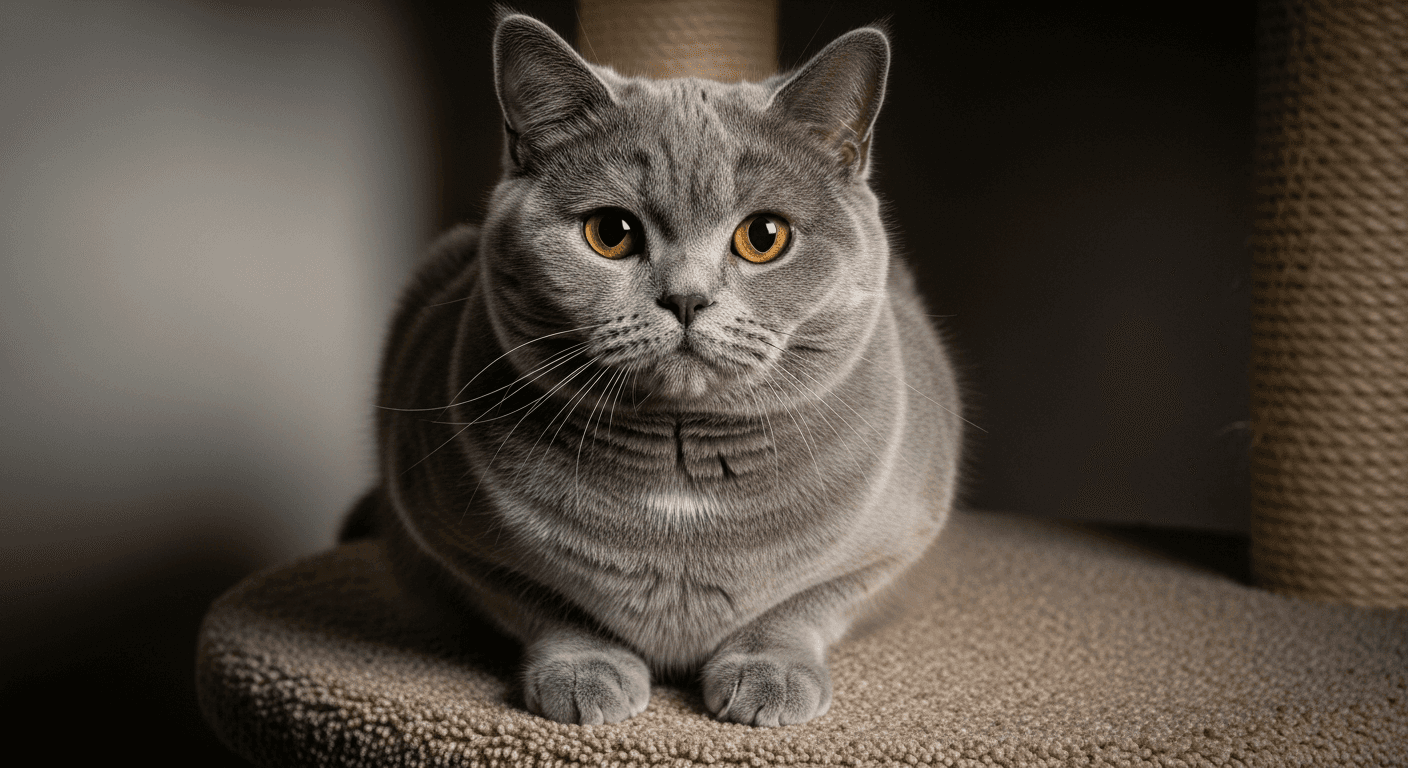
British Shorthair: Complete Breed Guide — Personality, Care & Health
A full guide to the British Shorthair cat: its calm personality, plush coat, breed-specific health risks like HCM and PKD, ideal home environment, and ownership costs.
 🐈 Cat Breeds
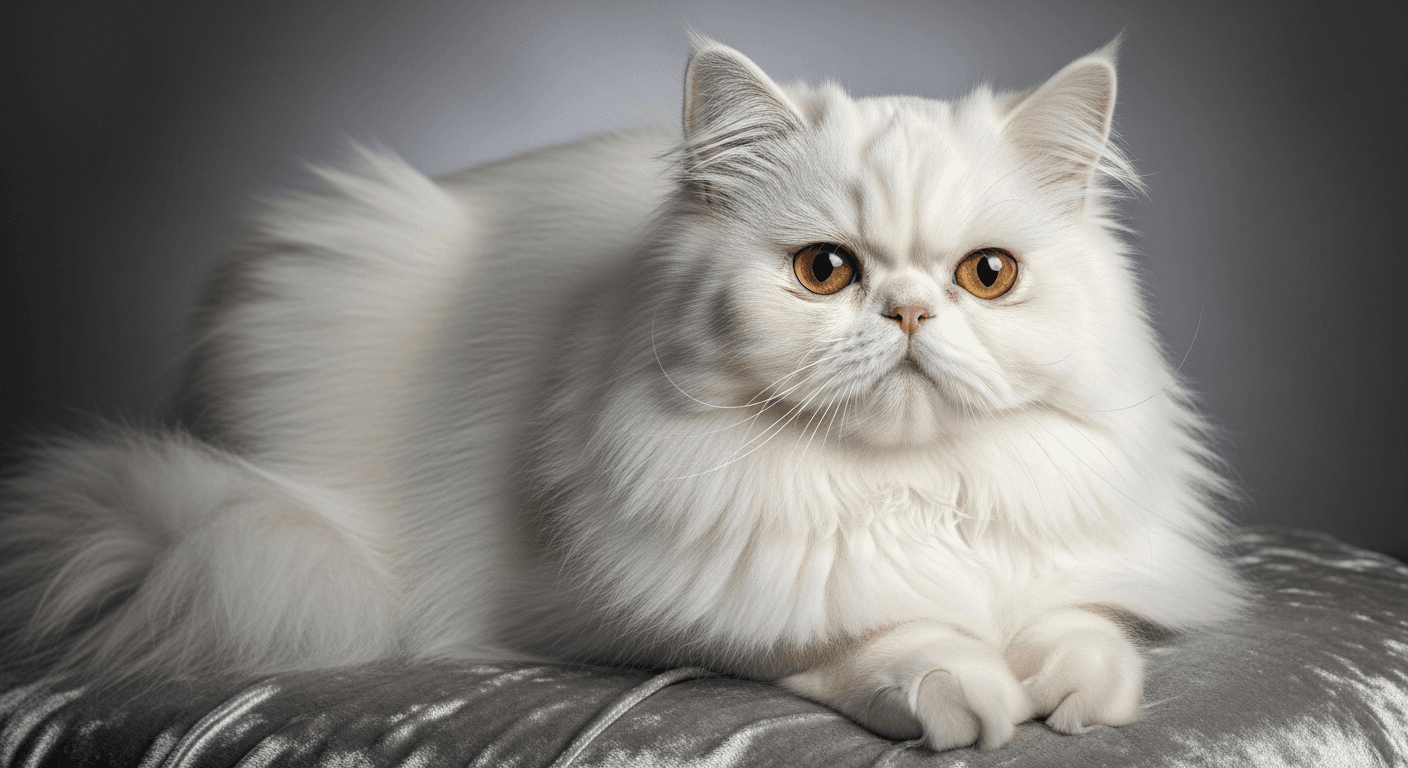
Persian Cat: Complete Breed Guide — Personality, Grooming & Health
Everything you need to know about Persian cats: temperament, coat care, common health issues, and whether this elegant breed suits your home.
 🐈 Cat Breeds
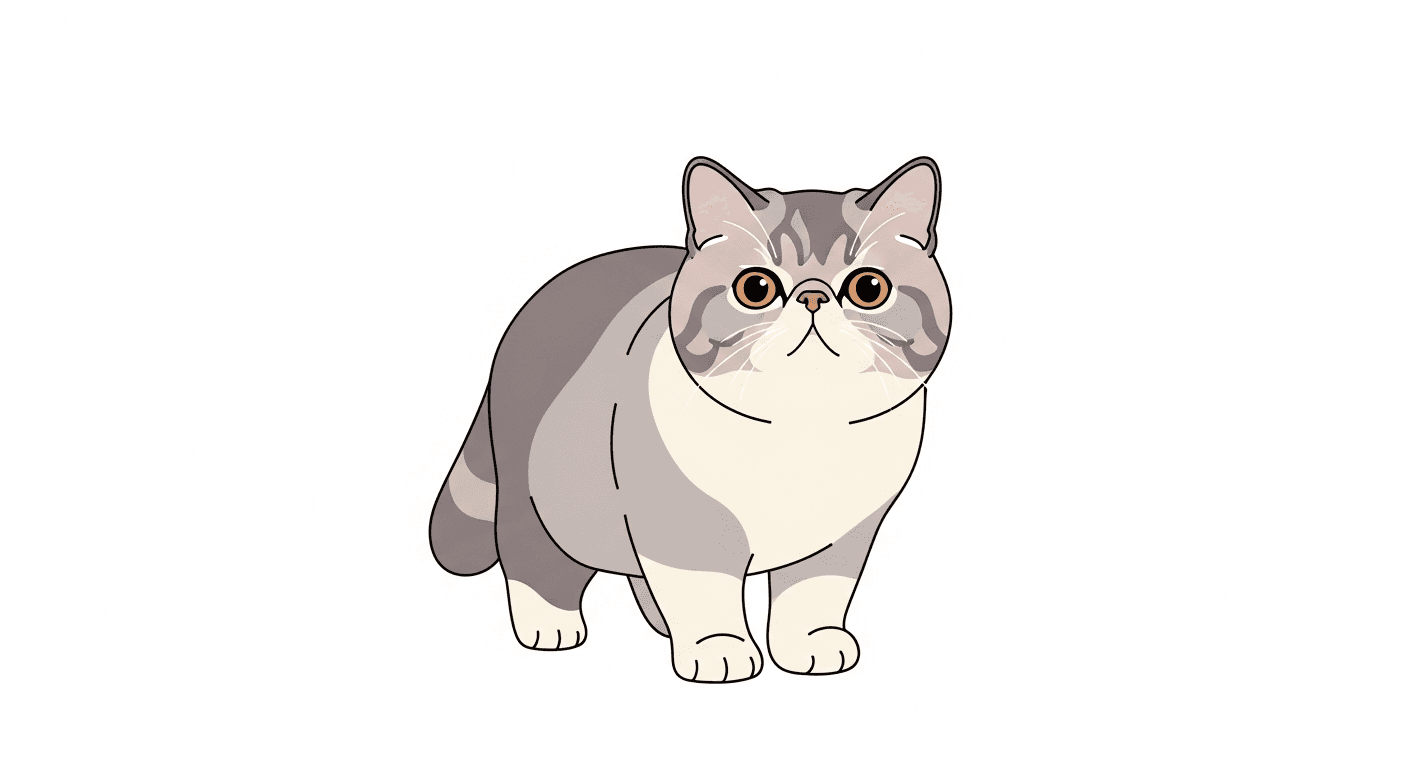
Exotic Shorthair: Complete Breed Guide — Personality, Care & Health
A complete guide to Exotic Shorthair cats: the Persian in a plush short coat, their teddy bear appearance, brachycephalic health risks, grooming needs, and ideal home environment.