
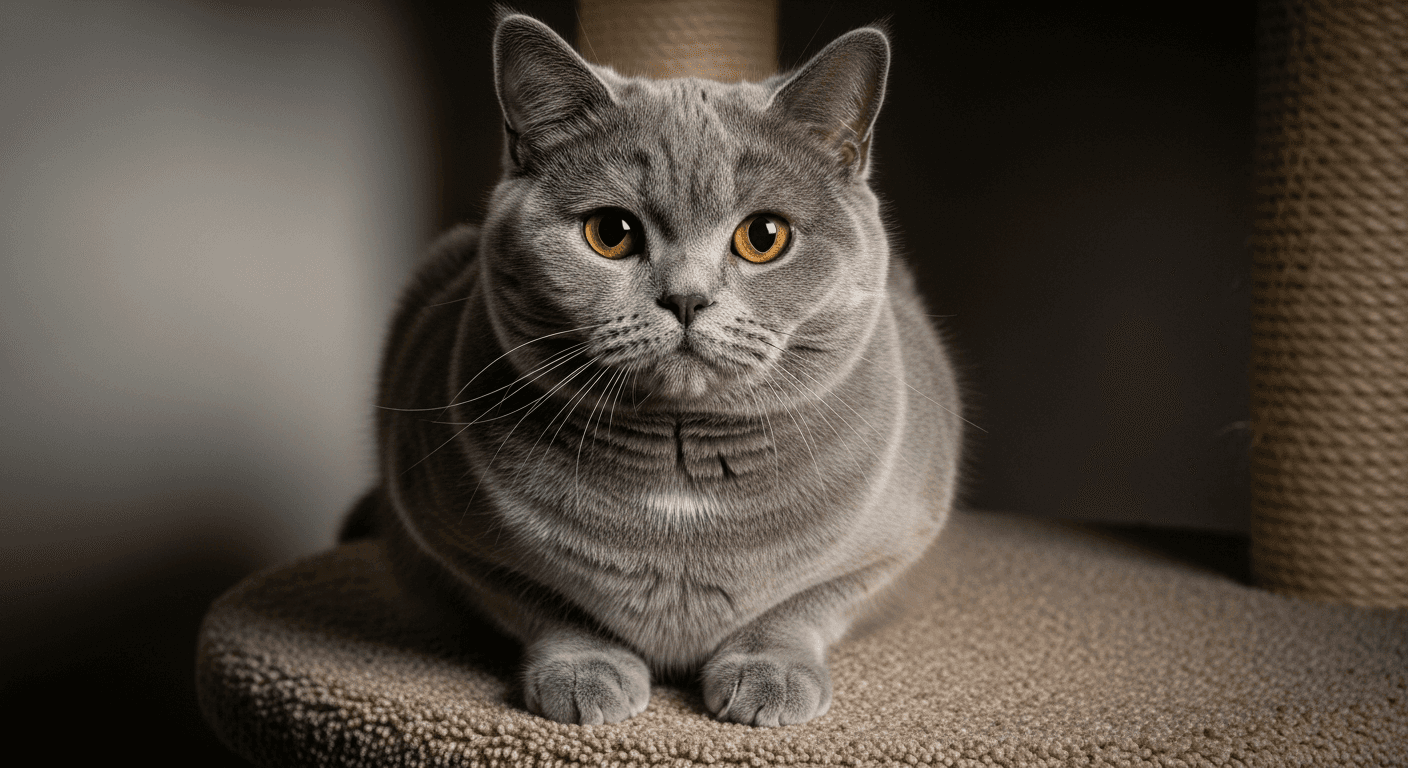
British Shorthair Overview
The British Shorthair is one of the oldest recognized cat breeds, with roots tracing back to domestic cats brought to Britain by the Romans. Selectively bred from the 19th century onward, the British Shorthair became the cornerstone of cat show culture in England. Today it is one of the most popular cat breeds in Europe and increasingly sought after worldwide for its teddy-bear appearance and easygoing personality.
British Shorthairs are medium to large cats, heavily built with a broad chest, short strong legs, and a rounded, massive head. Their most distinguishing feature is their incredibly dense, plush double coat that stands away from the body. The "British Blue" — a solid blue-gray coat with copper or gold eyes — is the most iconic color, though they come in dozens of color and pattern combinations. Males typically weigh 9–17 pounds; females are smaller at 7–12 pounds.
Personality and Temperament
British Shorthairs are calm, dignified, and deeply loyal without being clingy. They are often described as cats that love their people but on their own terms.
- Independent yet affectionate: British Shorthairs prefer to sit beside you rather than on your lap, but they are genuinely devoted to their family.
- Quiet and reserved: They are not vocal cats. Their meow is soft and infrequent, making them excellent apartment companions.
- Patient and tolerant: British Shorthairs tolerate children well, though they do not appreciate being carried or restrained. They will walk away rather than scratch.
- Good with other pets: They coexist peacefully with other cats and cat-friendly dogs after proper introduction.
- Low energy adults: Kittens are playful, but adults settle into a calm, placid routine. Daily play sessions are needed to prevent weight gain.
- Adaptable: They adjust well to changes in environment and are not as prone to anxiety as more sensitive breeds.
British Shorthairs are a good choice for busy professionals or people who want a companionable but low-maintenance cat. They can cope with being alone during working hours better than highly social breeds.
Grooming Needs
Despite their dense double coat, British Shorthairs are relatively easy to groom. Unlike long-haired breeds, their coat does not mat easily under normal circumstances.
- Brushing: Twice a week with a slicker brush or medium-toothed comb. Increase to daily during spring and fall shedding seasons when they blow their undercoat significantly.
- Bathing: Every 4–6 weeks is optional but helpful during heavy shedding periods. Use a de-shedding shampoo.
- Coat care during seasons: British Shorthairs can shed heavily twice a year. A de-shedding tool (like a Furminator) used weekly reduces loose fur dramatically.
- Ear cleaning: Monthly or as needed. Their ears are medium-sized and generally clean.
- Dental hygiene: Brush 2–3 times per week. British Shorthairs are prone to tartar buildup.
Avoid over-brushing the coat as it can separate the dense plush texture. The characteristic "stand-away" look of the coat requires the fur to remain dense, so brush with a light hand.
Health Risks and Common Conditions
British Shorthairs are generally long-lived, healthy cats, but responsible ownership includes awareness of their breed-specific risks.
- Hypertrophic Cardiomyopathy (HCM): Cardiac disease is the most significant health concern. The breed lacks a specific known gene marker like the Maine Coon, so annual echocardiography is the gold standard for monitoring.
- Polycystic Kidney Disease (PKD): Some British Shorthair lines carry the PKD1 gene from historical crosses with Persians. DNA testing is available and should be requested from breeders.
- Obesity: This breed has a naturally chunky build that masks weight gain. British Shorthairs are prone to obesity, especially males. Use measured portions and avoid free-feeding.
- Blood type B: British Shorthairs have a high prevalence of blood type B (rare in most breeds). This is critical for blood transfusions and breeding — type B mothers with type A kittens can experience neonatal isoerythrolysis (NI).
- Urinary tract disease: Including FLUTD and crystal formation, particularly in males. A high-moisture diet helps.
Know your British Shorthair's blood type — ask your vet to test for it. Book a vet appointment at Happy Paws for blood typing, PKD DNA testing, and cardiac screening. Track daily health with the TailRounds Daily Log.
Ideal Home, Cost, and Availability
British Shorthairs adapt well to almost any living environment — from apartments to large homes. They are an excellent choice for first-time cat owners, seniors, families, and professionals.
Purchase cost: $1,200–$3,000 from a reputable breeder who tests for HCM and PKD. Show-quality cats or rare colors command higher prices. British Shorthair rescues exist in some areas with adoption fees of $100–$400.
Lifespan: 14–20 years. British Shorthairs are exceptionally long-lived when given proper preventive care. Find a Clinic experienced with this breed to set up a long-term wellness schedule.
Continue Reading
 🐈 Cat Breeds
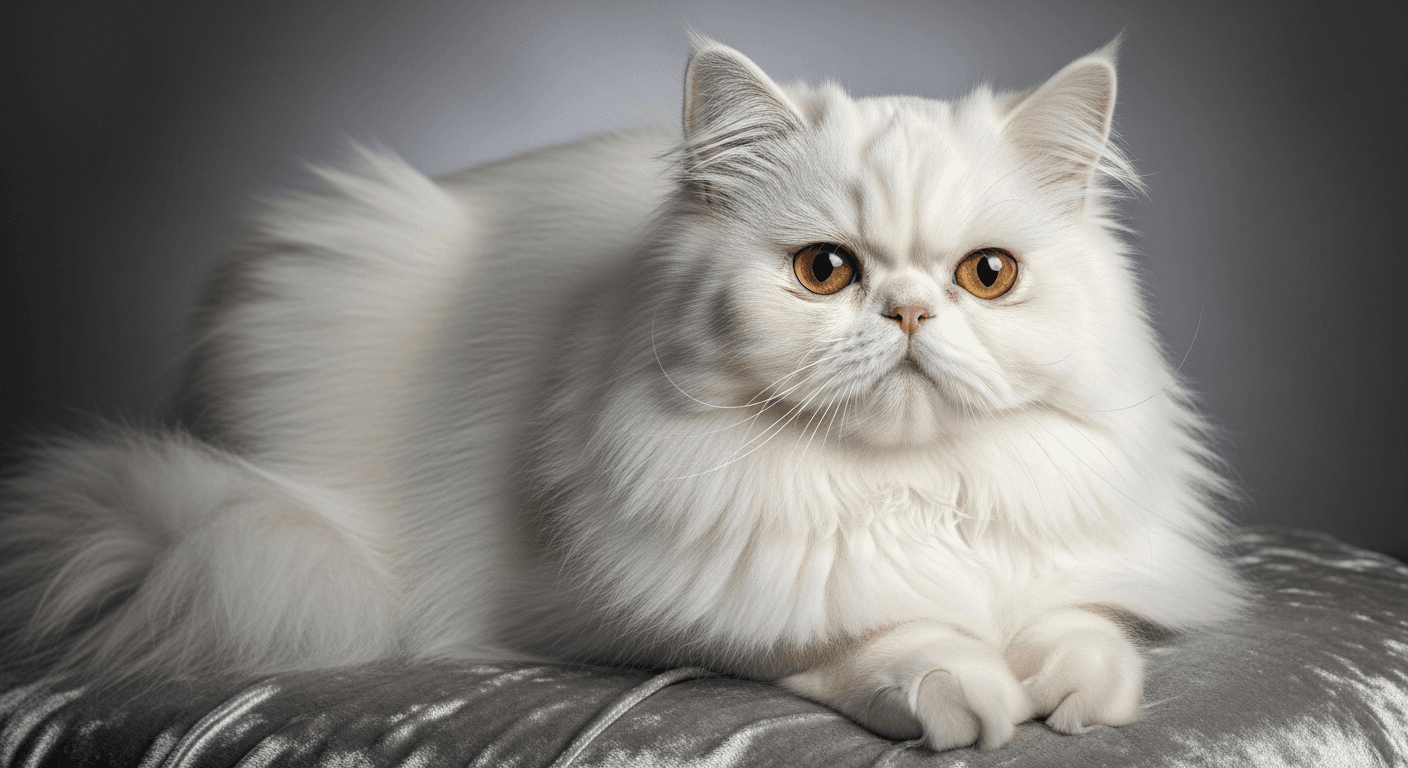
Persian Cat: Complete Breed Guide — Personality, Grooming & Health
Everything you need to know about Persian cats: temperament, coat care, common health issues, and whether this elegant breed suits your home.
 🐈 Cat Breeds
Scottish Fold: Complete Breed Guide — Personality, Care & Ethical Concerns
A complete guide to Scottish Fold cats: their distinctive folded ears, sweet personality, osteochondrodysplasia risks, grooming needs, and the ongoing ethical debate around the breed.
 🐈 Cat Breeds
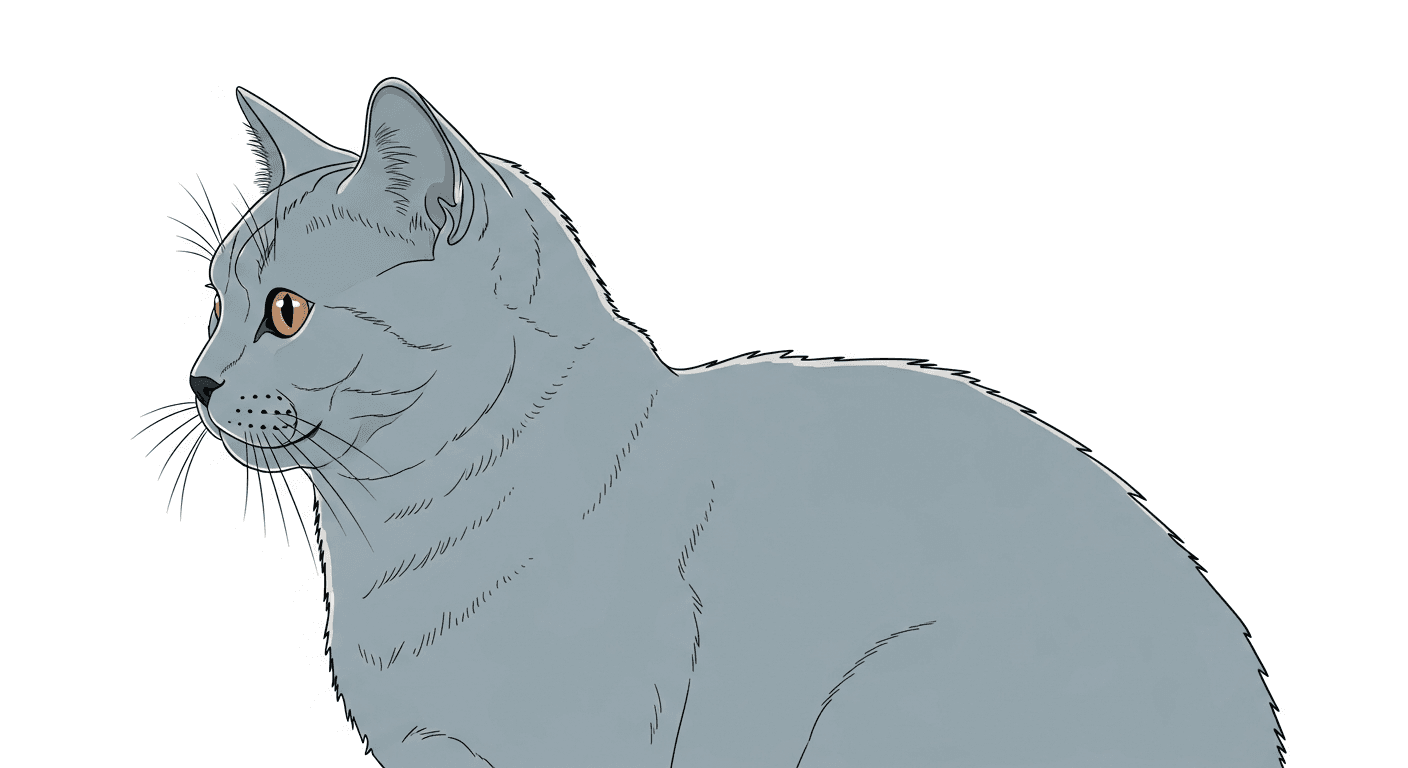
Chartreux: Complete Breed Guide — The Smiling Blue Cat of France
A complete guide to the Chartreux cat: France's ancient blue-coated breed, its quiet smiling personality, robust health record, wool-like coat care, and ideal home environment.