
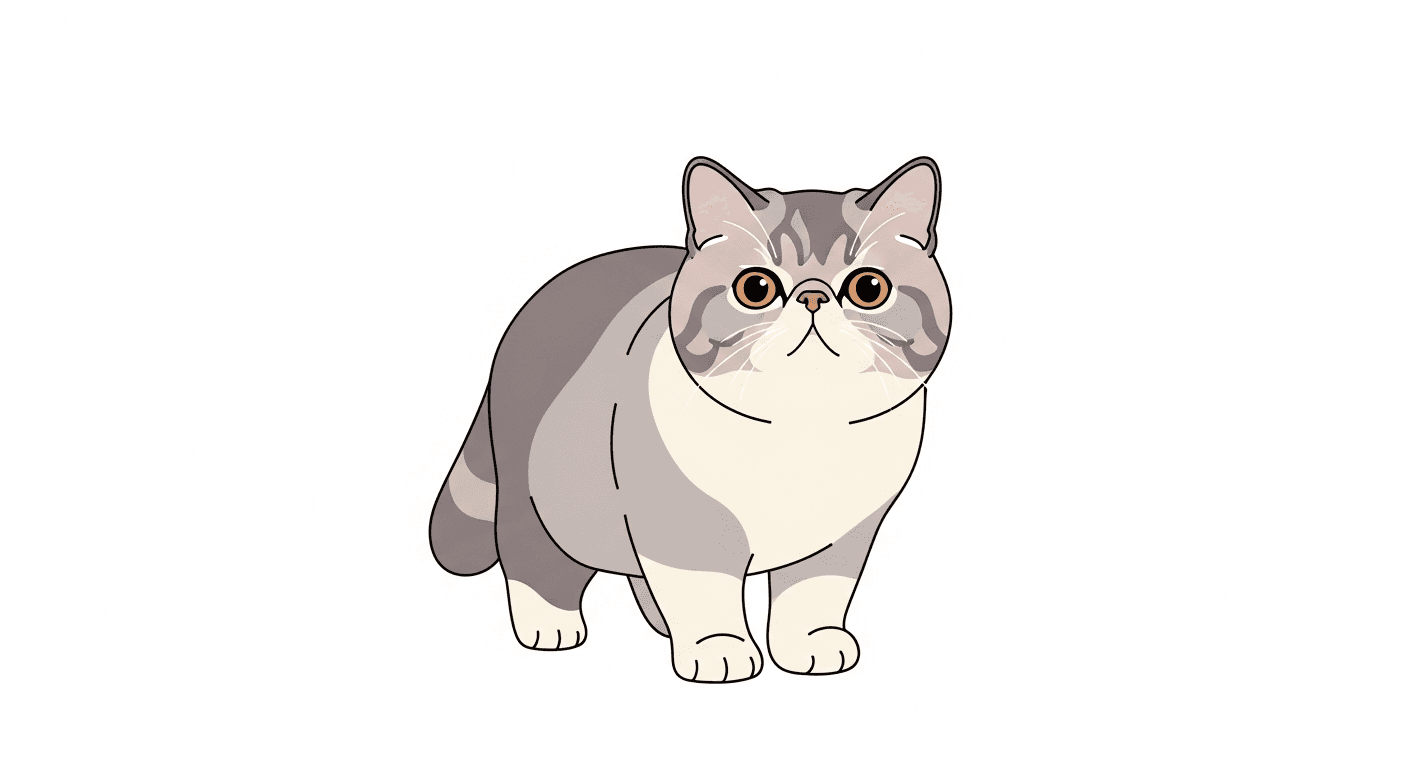
Exotic Shorthair Overview
The Exotic Shorthair is often described as the "lazy man's Persian" — a affectionate description that captures its essence perfectly. Developed by crossing Persian cats with American Shorthairs and other short-haired breeds in the 1950s and 1960s, the Exotic Shorthair has all the Persian's characteristic flat face, cobby build, and sweet temperament but with a short, plush, easy-care coat. The breed was officially recognized by CFA in 1967 and is now consistently ranked among the top five most popular cat breeds in the United States.
Exotic Shorthairs are virtually identical to Persians in body type — round, cobby, with a flat face (brachycephalic), large round eyes, small ears, and a thick, short neck and broad chest. Their coat is dense, plush, and stands away from the body like a teddy bear's fur, but is short enough that it does not mat or require the intensive daily brushing of a Persian. They come in the same vast array of colors and patterns as Persians. Males typically weigh 7–14 pounds; females 6–10 pounds.
Personality and Temperament
Exotic Shorthairs have inherited the Persian's famously calm, gentle personality — making them one of the most laid-back and agreeable cat breeds available.
- Calm and gentle: Exotic Shorthairs are peaceful, unhurried cats. They are not easily startled or stressed and adapt well to changes in routine.
- Affectionate: They enjoy being near their people and seek out laps and warm spots. They are more interactive than Persians — slightly more curious and playful — but equally gentle.
- Quiet: Their vocalizations are soft, gentle, and infrequent. They communicate with their eyes and body language more than their voice.
- Good with children and other pets: Their tolerant, non-aggressive nature makes them excellent family cats. They walk away from unpleasant situations rather than reacting.
- Playful in a relaxed way: They enjoy batting toys gently and short play sessions but are not high-energy cats. As they age, they become more sedate.
- Indoor cats: Like Persians, Exotics are strictly indoor cats. They lack the physical adaptations for outdoor survival and are too trusting to be safe outdoors.
The Exotic Shorthair is often recommended for people who love the Persian's temperament but do not have the time for daily coat maintenance. They are exceptionally well-suited to apartment living.
Grooming Needs
The Exotic Shorthair's coat is dramatically easier to maintain than a Persian's but still requires regular care.
- Brushing: Two to three times per week with a wide-toothed comb or soft slicker brush. During seasonal shedding, daily brushing prevents significant fur accumulation around the home.
- Facial cleaning (critical): Like Persians, Exotic Shorthairs have flat faces with deep skin folds that trap moisture, tears, and debris. Wipe around the eyes and nose daily with a damp soft cloth. Use veterinarian-approved eye wipes for persistent tear staining.
- Tear staining: Brown staining below the eyes (epiphora) is common. Regular cleaning prevents skin irritation and infection in the skin folds.
- Bathing: Monthly bathing keeps the coat and skin clean. Exotics tolerate bathing well when accustomed from kittenhood.
- Dental care: The shortened jaw causes dental crowding. Brush teeth 2–3 times per week and schedule professional cleanings annually.
The primary grooming investment with an Exotic Shorthair is facial care, not coat care. Daily face wiping is non-negotiable for skin fold health.
Health Risks and Common Conditions
Exotic Shorthairs share the same brachycephalic health concerns as Persians, which every potential owner must understand before acquiring one of these breeds.
- Brachycephalic Obstructive Airway Syndrome (BOAS): The flat face narrows the nostrils, elongates the soft palate, and narrows the trachea, causing labored breathing, snoring, and heat intolerance. Severe cases require surgical correction. Avoid exercise or heat exposure during warm weather.
- Polycystic Kidney Disease (PKD): Inherited from Persian ancestry. A dominant gene (PKD1) causes fluid-filled cysts in the kidneys leading to progressive renal failure. DNA testing is available — require certificates from breeders.
- Hypertrophic Cardiomyopathy (HCM): Heart disease occurs in Exotics. Annual echocardiography is recommended from age 3.
- Dental malocclusion: Severely shortened jaws cause crowded, misaligned teeth and significant periodontal disease risk.
- Skin fold dermatitis: Bacteria and yeast in facial folds cause infection if not cleaned regularly.
- Eye conditions: Including entropion (rolled-in eyelid), corneal sequestrum, and blocked nasolacrimal ducts. Regular ophthalmologic assessment is advisable.
The Exotic Shorthair's health requires proactive, committed veterinary partnership. Book a vet appointment at Happy Paws for PKD DNA testing, cardiac screening, and respiratory assessment. Track breathing quality, appetite, and eye discharge with the TailRounds Daily Log. Find a Clinic near you specializing in brachycephalic cat care.
Ideal Home, Cost, and Availability
Exotic Shorthairs are ideal for calm households, apartment dwellers, families, and anyone who loves the Persian's look and personality but needs a more manageable coat. They are excellent for less mobile owners who spend time at home.
Purchase cost: $1,200–$2,800 from reputable breeders with PKD DNA testing and HCM screening. Show-quality Exotics command premium prices.
Lifespan: 12–15 years with proper care. Regular cardiac monitoring and preventive dental care are the most impactful investments in longevity for this breed.
Continue Reading
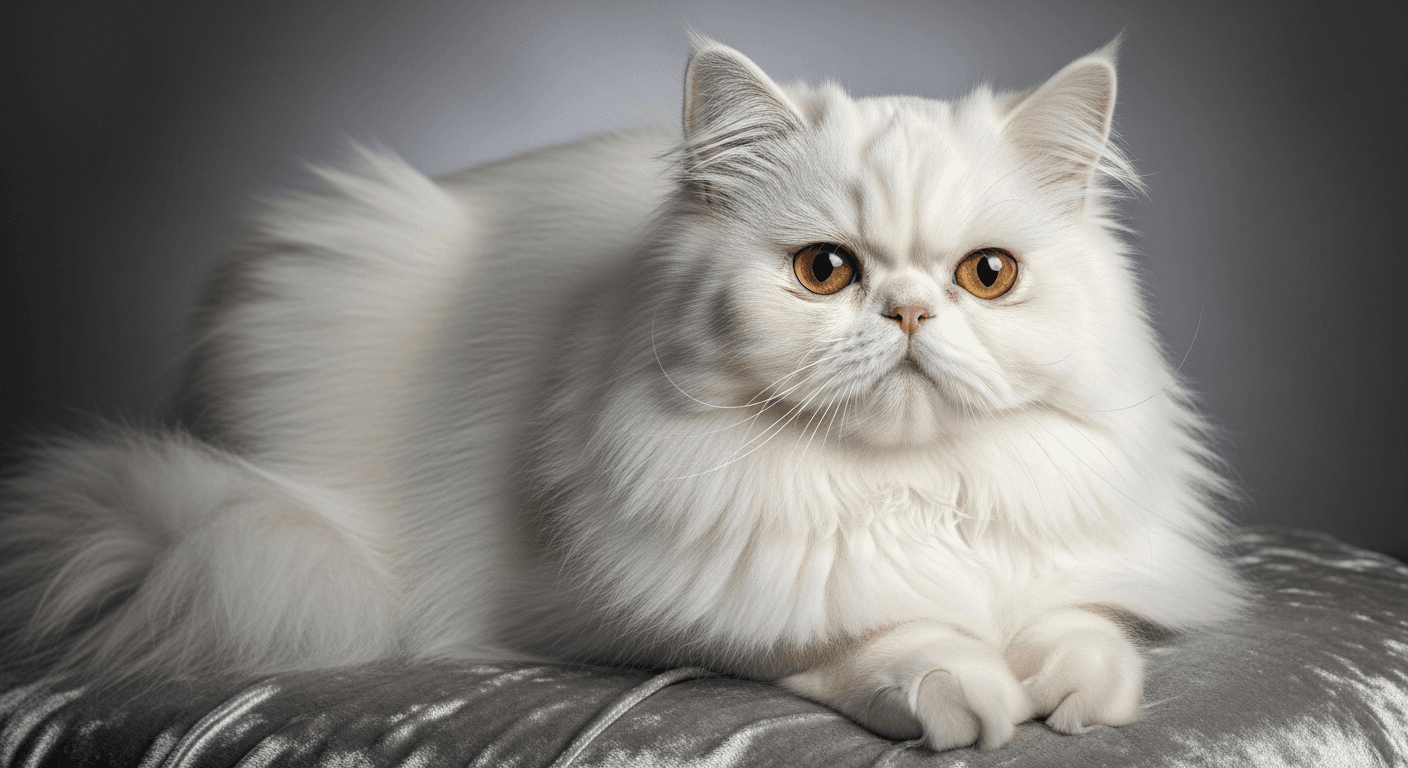 🐈 Cat Breeds
Persian Cat: Complete Breed Guide — Personality, Grooming & Health
Everything you need to know about Persian cats: temperament, coat care, common health issues, and whether this elegant breed suits your home.
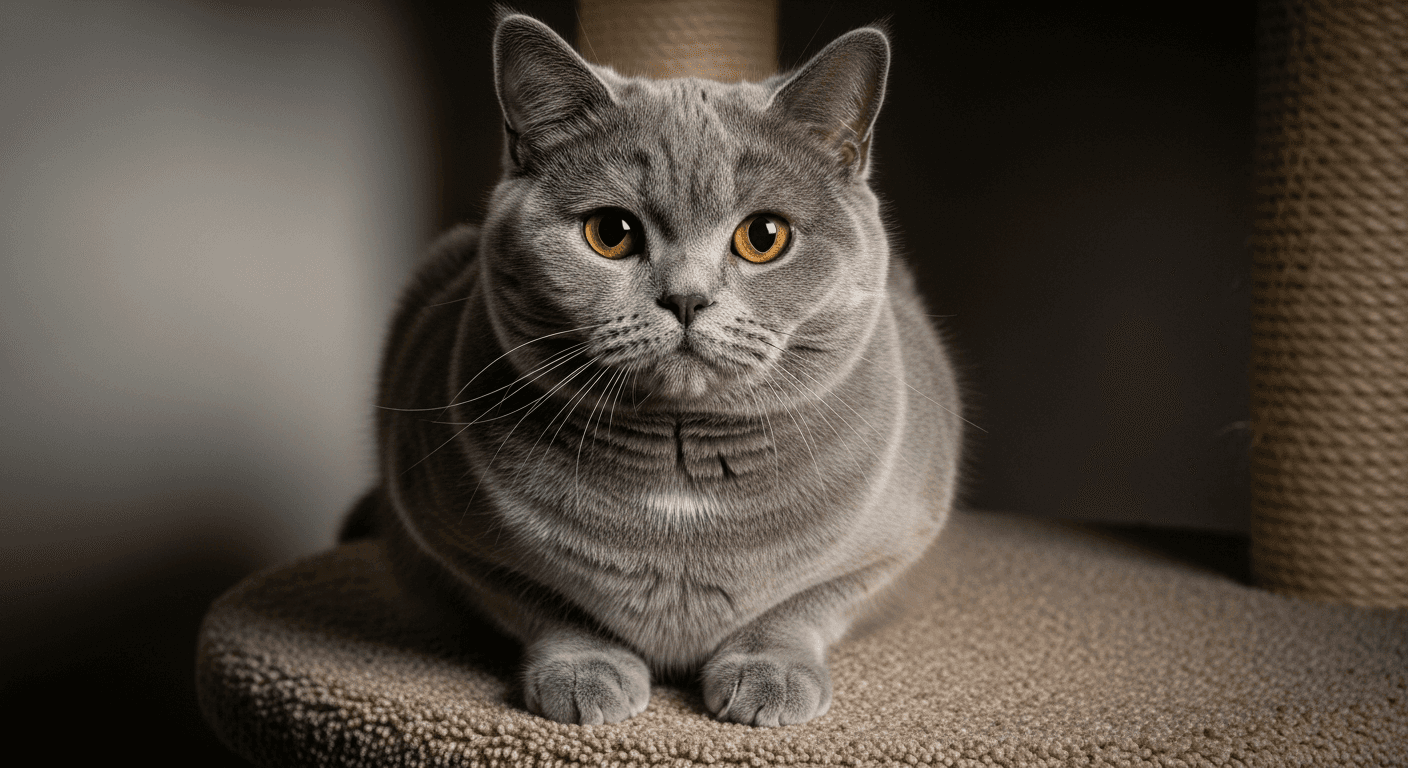 🐈 Cat Breeds
British Shorthair: Complete Breed Guide — Personality, Care & Health
A full guide to the British Shorthair cat: its calm personality, plush coat, breed-specific health risks like HCM and PKD, ideal home environment, and ownership costs.
 🐈 Cat Breeds
Scottish Fold: Complete Breed Guide — Personality, Care & Ethical Concerns
A complete guide to Scottish Fold cats: their distinctive folded ears, sweet personality, osteochondrodysplasia risks, grooming needs, and the ongoing ethical debate around the breed.