
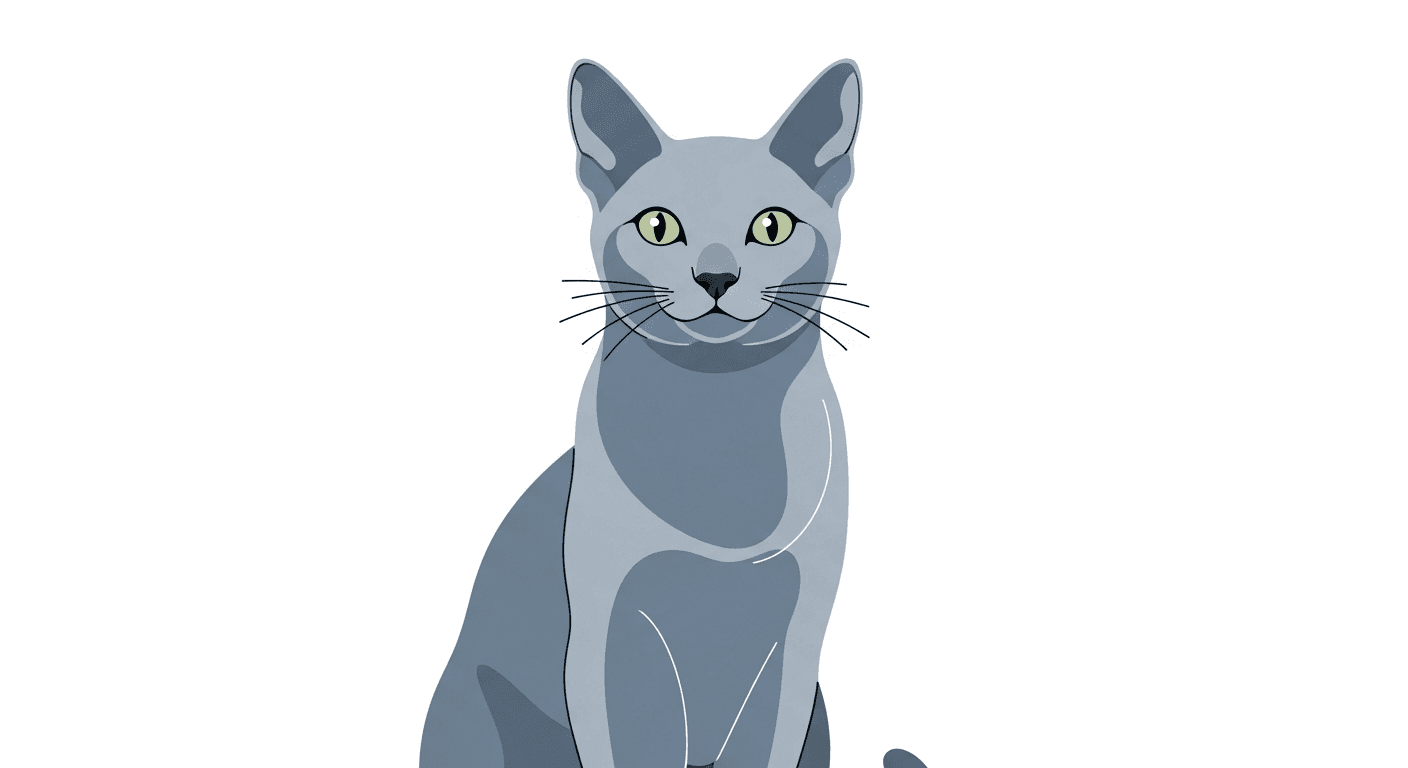
Russian Blue Overview
The Russian Blue is an elegant, naturally occurring breed believed to have originated in the port city of Arkhangelsk in northern Russia. Sailors reportedly brought these striking blue cats to Great Britain and Northern Europe in the 1800s. Their distinctive double coat of blue-gray fur tipped with silver gives them a shimmering, ethereal appearance unlike any other breed. Russian Blues are highly intelligent, gentle, and form profound bonds with their chosen humans.
Russian Blues are medium-sized cats with a slender, elegant build, long legs, and a fine-boned structure. Their coat is a uniform blue-gray with a distinctive "double" construction — a dense, plush undercoat under a silky topcoat — giving it the characteristic silver sheen when light catches the silver tips of each hair. Their most striking features are their vivid green eyes (which transition from yellow-green in kittens to brilliant emerald in adults) and the natural "smile" created by the upturned corners of their lips — giving them a perpetually pleased expression. Males weigh 7–12 pounds; females 5–9 pounds.
Personality and Temperament
Russian Blues are often described as the ideal cat for someone who appreciates intelligence, loyalty, and quiet elegance. They are not the most outgoing breed, but with the right owner, they are profoundly devoted.
- Reserved with strangers: Russian Blues tend to be shy and cautious with unfamiliar people. They may hide initially but warm up gradually. This should not be mistaken for unfriendliness — it is simply their nature.
- Deeply bonded to their family: Once trust is established, Russian Blues are extremely loyal and affectionate with their inner circle. They often choose a primary person to bond with most intensely.
- Sensitive to routine: They prefer consistency and can become stressed by significant changes in environment or schedule.
- Quietly playful: Russian Blues enjoy interactive play, especially wand toys and puzzle feeders. They retain playfulness into adulthood without being hyperactive.
- Gentle and non-aggressive: They rarely scratch or bite. They withdraw when overwhelmed rather than reacting with aggression.
- Soft-voiced: Their meow is gentle and infrequent. They are not vocal cats.
Russian Blues thrive in calm households with consistent routines. They are a good match for quieter individuals, couples, or families with respectful older children.
Grooming Needs
The Russian Blue's dense double coat requires minimal but consistent care. It is one of the easier breeds to maintain despite the full-looking plush coat.
- Brushing: Once or twice a week with a medium-toothed comb. The double coat requires the comb to penetrate the undercoat. During spring shedding season, increase to daily brushing.
- Bathing: Rarely necessary. Russian Blues are fastidious self-groomers. Bathe only if needed for medical reasons or if the coat becomes soiled.
- Coat quality: A high-quality diet with omega-3 fatty acids maintains the signature silver sheen. Poor diet dulls the coat significantly.
- Nail trimming: Every 3 weeks. Provide appropriate scratching surfaces.
- Dental hygiene: Brush teeth 2–3 times per week and schedule annual professional dental cleanings.
Russian Blues are noted as one of the lower-shedding breeds, which — combined with lower Fel d 1 protein production — makes them a frequent recommendation for cat allergy sufferers, though no cat is truly hypoallergenic.
Health Risks and Common Conditions
Russian Blues are among the healthiest cat breeds with few breed-specific genetic conditions. Their natural development without extreme physical modifications contributes to their robustness.
- Bladder stones: Russian Blues may be predisposed to calcium oxalate urinary stones. A high-moisture diet and adequate water intake help prevent formation.
- Obesity: Russian Blues have a tendency to overeat and can easily become overweight. Scheduled meals rather than free-feeding is strongly recommended. Obesity in this breed can exacerbate joint problems and shorten lifespan.
- Polycystic Kidney Disease (PKD): Occasionally reported; some authorities recommend kidney ultrasound screening as part of routine care.
- Hypertrophic Cardiomyopathy (HCM): While not as prevalent as in some breeds, HCM can occur. Annual vet exams should include cardiac auscultation.
- Dental disease: Common in all cats. Regular preventive care is important.
Russian Blues generally enjoy long, healthy lives when fed appropriately and given regular preventive care. Book a vet appointment at Happy Paws for a nutrition assessment and wellness check. Use the TailRounds Daily Log to track food intake and weight — critical for preventing obesity. Find a Clinic near you for a comprehensive health screening.
Ideal Home, Cost, and Availability
Russian Blues are ideal for calm, quiet households. They suit single adults, couples, and families with gentle, older children. They can adapt to apartments excellently given their moderate activity level.
Not ideal for: Extremely busy, chaotic households; families with very young children who may overwhelm the cat; homes where the cat will face frequent visitors or change.
Purchase cost: $800–$1,800 from reputable breeders. Russian Blues are not as widely available as some breeds but can be found through breed clubs. Some are available through rescue organizations.
Lifespan: 15–20 years. Russian Blues are famously long-lived cats with excellent quality of life when properly cared for.
Continue Reading
 🐈 Cat Breeds
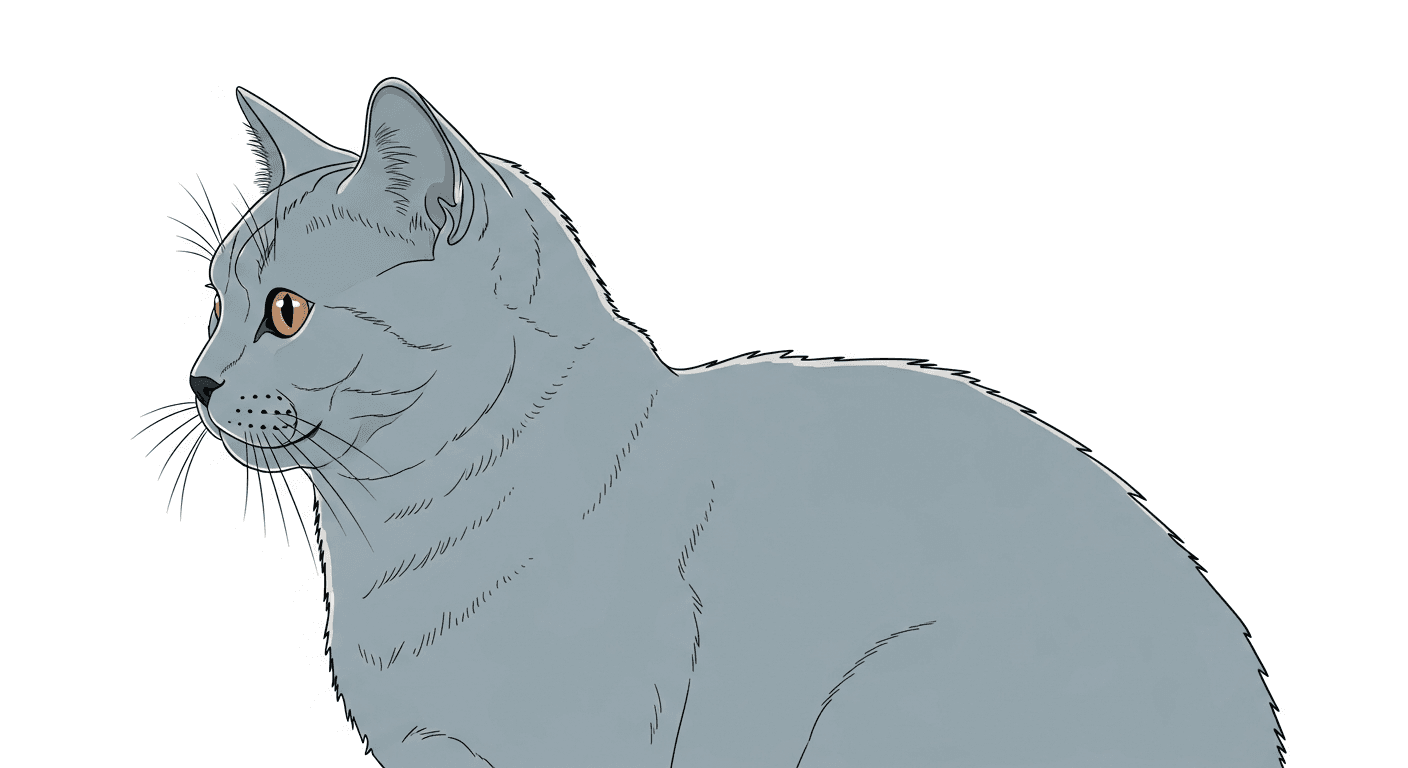
Chartreux: Complete Breed Guide — The Smiling Blue Cat of France
A complete guide to the Chartreux cat: France's ancient blue-coated breed, its quiet smiling personality, robust health record, wool-like coat care, and ideal home environment.
 🐈 Cat Breeds
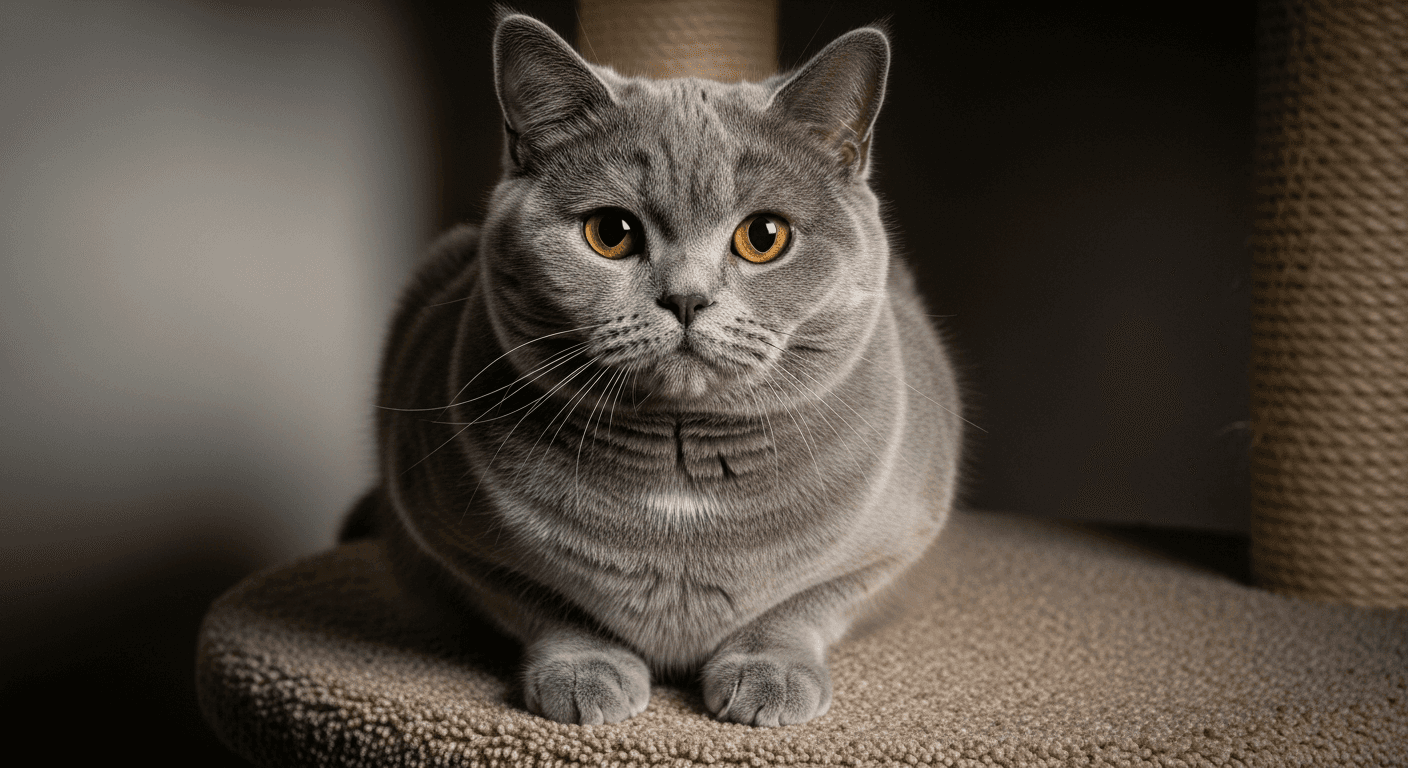
British Shorthair: Complete Breed Guide — Personality, Care & Health
A full guide to the British Shorthair cat: its calm personality, plush coat, breed-specific health risks like HCM and PKD, ideal home environment, and ownership costs.
 🐈 Cat Breeds
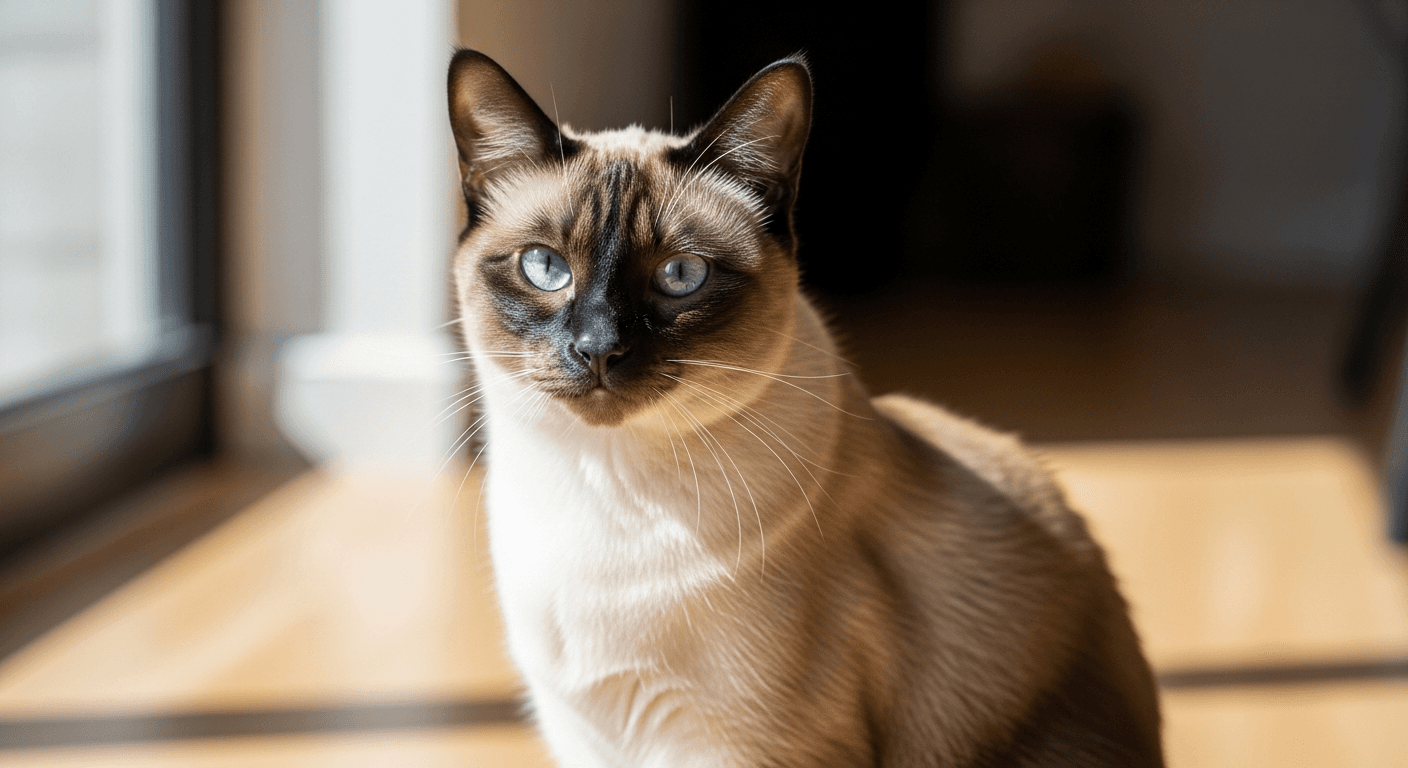
Siamese Cat: Complete Breed Guide — Personality, Care & Health
A full guide to the Siamese cat: its famously vocal personality, striking blue eyes, minimal grooming needs, health risks, and ideal living environment.