
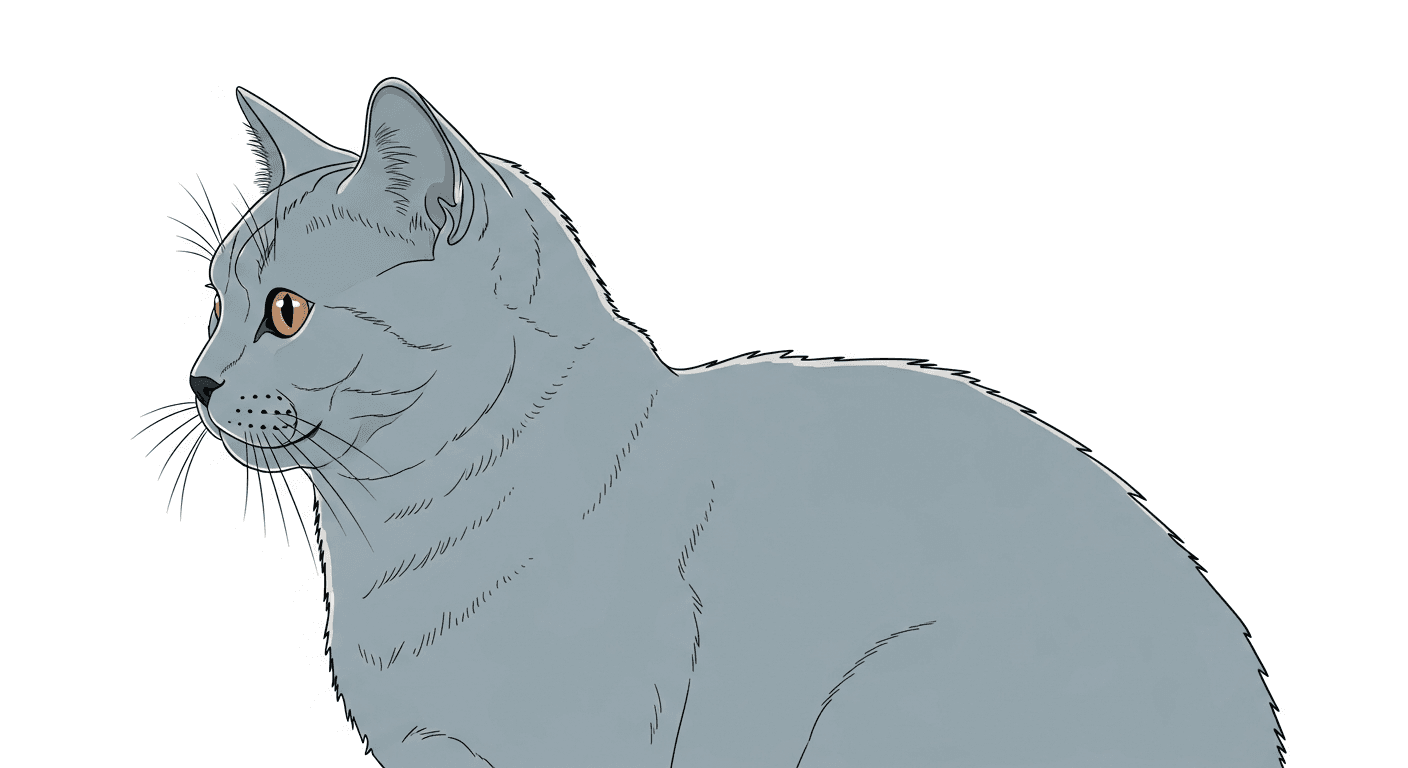
Chartreux Overview
The Chartreux is France's iconic blue cat — an ancient, naturally occurring breed with a history intertwined with French monasteries, reportedly bred by Carthusian monks at the Grande Chartreuse monastery near Grenoble. Whether or not this monastic legend is fully accurate, written references to a blue-gray cat of French origin date to the 16th century, making the Chartreux one of the oldest documented European cat breeds.
Chartreux are medium to large cats with a robust, muscular body that contrasts somewhat humorously with their comparatively small, fine-boned legs — giving them a "potato on toothpicks" silhouette that is uniquely their own. Their coat is uniformly blue (blue-gray) at all depths, with a distinctive woolly, slightly water-resistant texture caused by the combination of a dense undercoat and a resilient outer coat. Their eyes are large and round, ranging from gold to deep copper — creating a striking contrast against the blue coat. Their face features slightly upturned mouth corners that give the permanent impression of a gentle smile — hence the nickname "smiling cat of France." Males typically weigh 10–16 pounds; females 7–11 pounds.
Personality and Temperament
The Chartreux is a deeply affectionate, gentle, and quietly devoted breed with a personality as understated and elegant as its appearance.
- Gentle and patient: Chartreux are extremely patient cats. They rarely scratch or bite, preferring to retreat quietly if overwhelmed.
- Loyal and devoted: They form deep bonds with their families, often choosing one person to bond with most intensely. They follow their person quietly through the house.
- Very quiet: The Chartreux is one of the least vocal cat breeds. They may be nearly silent, communicating through quiet chirps or simply appearing at your side. Some individuals are completely mute.
- Intelligent and observant: Chartreux are excellent problem-solvers and quietly observe their environment before acting. They are less impulsive than more extroverted breeds.
- Adaptable: They adjust well to new environments and changes in routine with minimal stress.
- Playful but not hyperactive: Chartreux enjoy interactive play, especially hunting-type games. They are moderately active and benefit from regular sessions with wand toys and puzzle feeders.
The Chartreux is an excellent companion for people seeking a calm, dignified, deeply loyal cat that is neither demanding nor aloof. They suit apartment dwellers, quieter households, and anyone who appreciates elegant, low-drama companionship.
Grooming Needs
The Chartreux's distinctive woolly double coat requires specific — but not excessive — care.
- Brushing: Two to three times per week with a medium-toothed comb. The woolly texture means the coat should be combed rather than brushed — a brush can compress the texture and reduce its characteristic lift. Work in sections from skin outward.
- Seasonal shedding: Chartreux shed their undercoat significantly once or twice a year. During these periods, daily combing is needed to remove the compacting undercoat and prevent mats.
- Bathing: Every 4–6 weeks is beneficial. The water-resistant coat can make thorough wetting challenging — ensure the undercoat is fully saturated before shampooing.
- Coat quality: The texture and density of the coat is a health indicator. A thin, dull, or flat coat in a Chartreux warrants veterinary investigation for nutritional or systemic causes.
- Dental care: Regular brushing and annual professional cleanings prevent periodontal disease.
Health Risks and Common Conditions
The Chartreux is one of the healthiest cat breeds with a robust constitution and few documented hereditary conditions.
- Patellar Luxation: The most notable breed-specific concern. The kneecap can slip out of its groove, causing intermittent limping, skipping gait, or reluctance to jump. Severity ranges from grade 1 (incidental finding) to grade 4 (permanent dislocation requiring surgery). Reputable breeders check for patellar luxation in their breeding cats.
- Hypertrophic Cardiomyopathy (HCM): As with most cat breeds, HCM can occur. Annual cardiac auscultation is recommended.
- Urinary tract disease (FLUTD): Crystal formation and FIC have been reported. A high-moisture diet and stress reduction are preventive measures.
- Obesity: Their moderate activity level and tendency to accept any food offered means Chartreux can gain weight easily. Measured meals are strongly recommended.
The Chartreux's genetic diversity and natural breed development contribute to its hardiness. With good nutrition, appropriate weight management, and regular vet care, Chartreux consistently enjoy excellent health. Book a vet appointment at Happy Paws for patellar assessment and wellness screening. Track mobility and weight with the TailRounds Daily Log. Find a Clinic near you experienced with French and natural cat breeds.
Ideal Home, Cost, and Availability
Chartreux are ideal for calm, thoughtful households — singles, couples, families with respectful older children, and seniors. Their quiet, adaptable nature makes them one of the most unobtrusive yet deeply rewarding companion cats.
Purchase cost: $1,500–$2,500 from reputable breeders. Chartreux are rare outside of France and a small number of dedicated breeders in other countries. Expect waiting lists from established catteries.
Lifespan: 14–18 years. One of the longer-lived naturally developed breeds. Their robust constitution and freedom from extreme physical traits support excellent longevity with proper preventive care.
Continue Reading
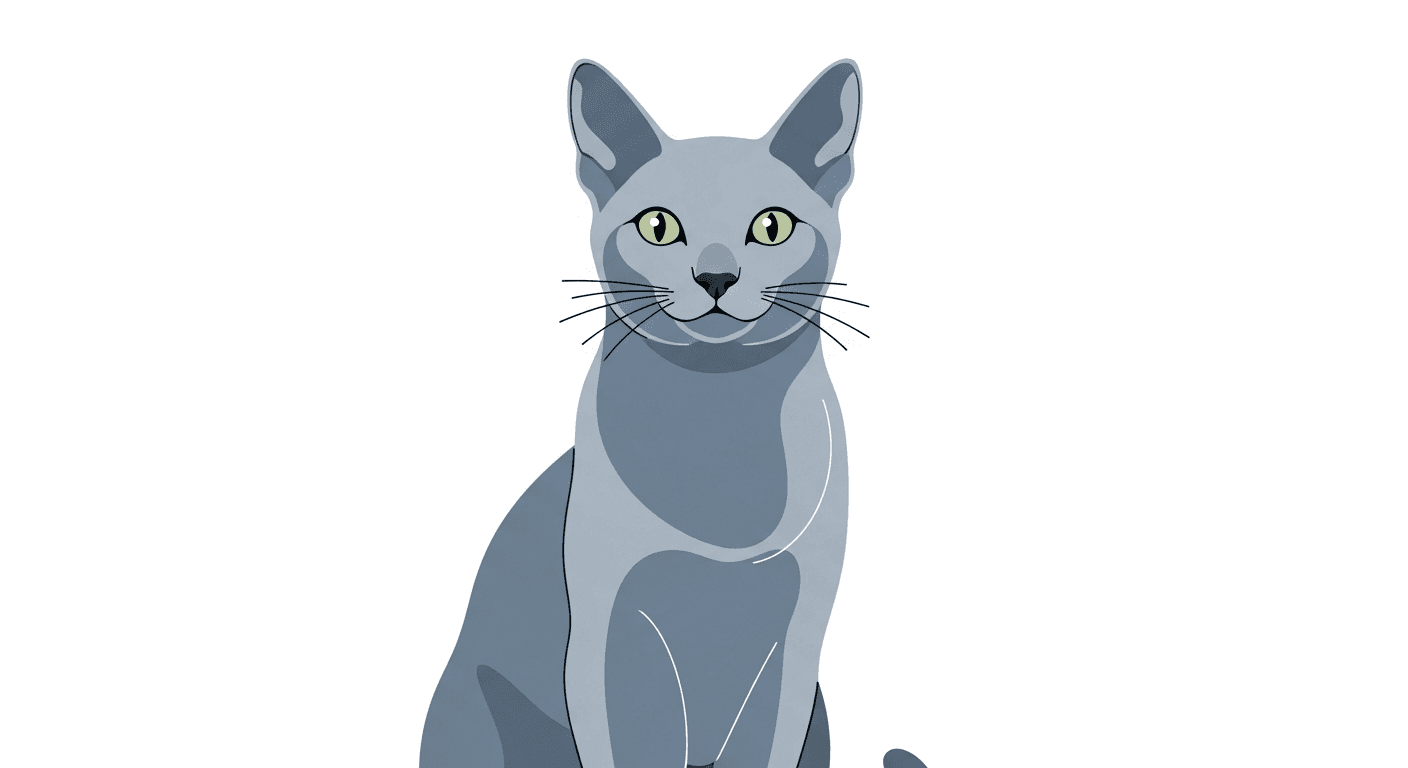 🐈 Cat Breeds
Russian Blue Cat: Complete Breed Guide — Personality, Care & Health
A complete guide to Russian Blue cats: their shy yet loving personality, stunning silver-blue coat, low allergen qualities, health risks, and ideal home environment.
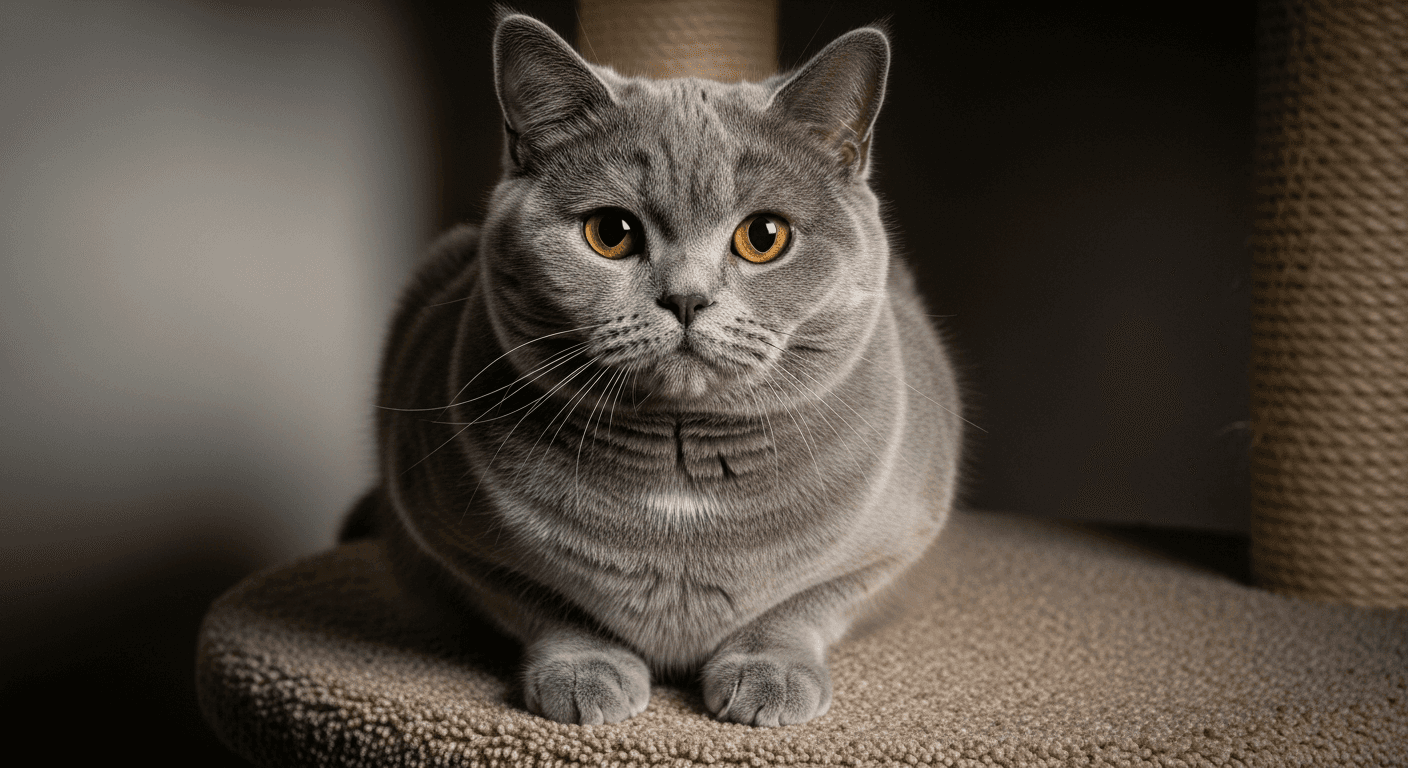 🐈 Cat Breeds
British Shorthair: Complete Breed Guide — Personality, Care & Health
A full guide to the British Shorthair cat: its calm personality, plush coat, breed-specific health risks like HCM and PKD, ideal home environment, and ownership costs.
 🐈 Cat Breeds
American Shorthair: Complete Breed Guide — Personality, Care & Health
Everything about American Shorthair cats: their working-cat heritage, adaptable personality, silver tabby popularity, common health risks, and why they are one of the best family cats.