
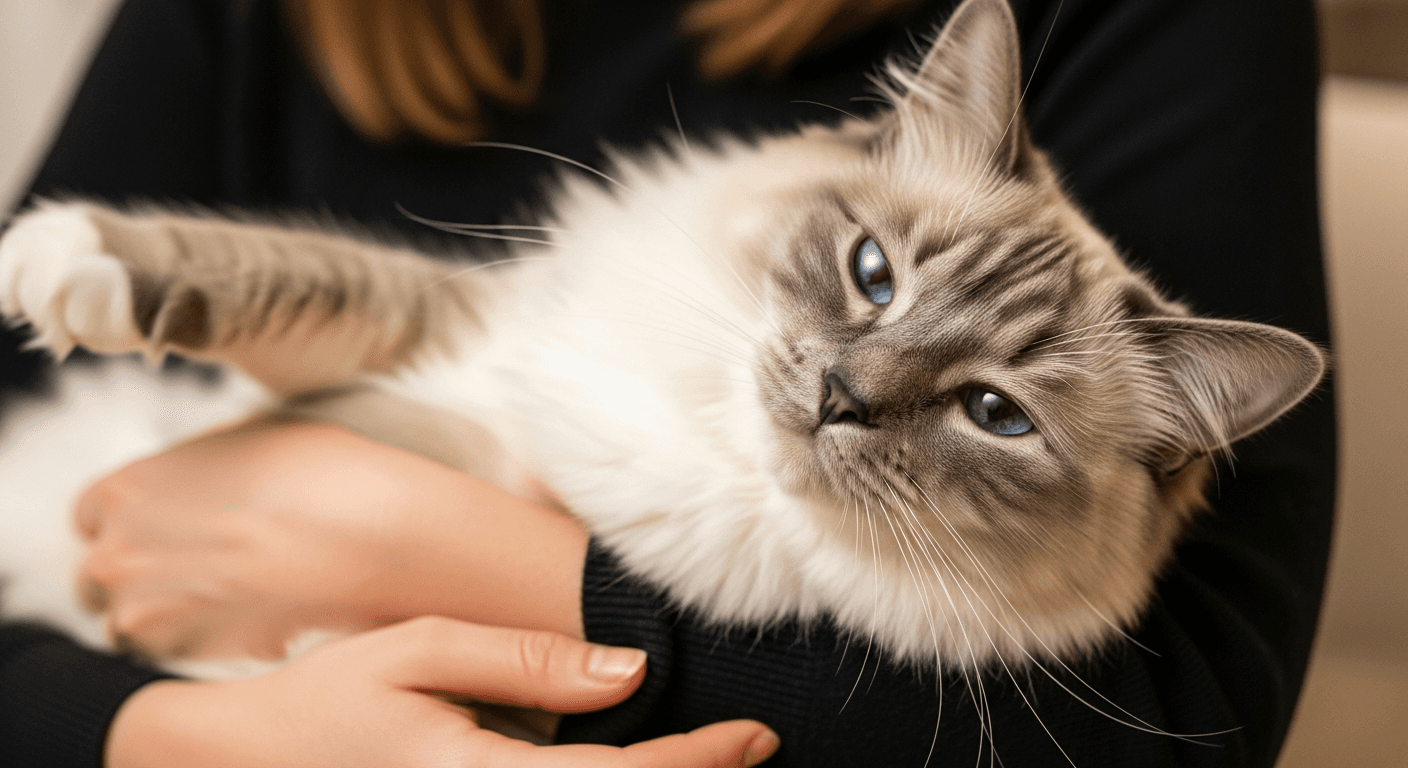
Ragdoll Cat Overview
The Ragdoll is a large, semi-longhaired cat breed developed in California in the 1960s by breeder Ann Baker. The name comes from the breed's distinctive tendency to go limp and relaxed when picked up — much like a child's ragdoll toy. Ragdolls are one of the largest domestic cat breeds, with males commonly reaching 15–20 pounds and females 10–15 pounds. Their growth continues until age 4, making them a slow-maturing breed.
Ragdolls have a pointed coat pattern (similar to Siamese) with blue eyes that are their hallmark feature. They come in three patterns — colorpoint, mitted, and bicolor — and six colors: seal, blue, chocolate, lilac, red, and cream. Their semi-long coat is silky and minimally prone to matting, making grooming more manageable than with fully long-haired breeds.
Personality and Temperament
Ragdolls are famous for being the ultimate lap cat. They are docile, affectionate, and people-oriented to an extraordinary degree. Breeders often describe them as "puppy-like" due to their tendency to follow owners around the house.
- Extremely gentle: Ragdolls are among the calmest cat breeds. They rarely scratch and tolerate handling very well, making them excellent with children.
- Low aggression: They tend not to fight back when provoked — this gentleness means they need protection from aggressive animals or rough handling.
- Quiet and soft-voiced: Their vocalizations are soft and infrequent. They communicate mostly through body language.
- Floor-dwellers: Unlike many cats, Ragdolls prefer staying at ground level rather than climbing high shelves or cat trees.
- Social with all: Ragdolls welcome strangers, coexist peacefully with other pets, and adapt well to multi-pet households.
Ragdolls can become lonely if left alone for extended periods. Their trusting nature means they may not always sense danger outdoors, so they should always be kept as indoor cats.
Grooming Needs
Despite their lush semi-long coat, Ragdolls are lower maintenance than Persians. Their fur lacks a dense undercoat, which significantly reduces matting.
- Brushing: Two to three times per week with a stainless steel comb. Daily brushing during seasonal shedding (spring and fall) prevents loose fur buildup.
- Bathing: Occasional baths — every 4–6 weeks — keep the coat clean and reduce allergens. Ragdolls generally tolerate bathing well.
- Collar and ruff area: The ruff around the neck and the "breeches" (fur on the back legs) can tangle. Check these areas at every brushing session.
- Eye care: Blue-eyed Ragdolls can have minor tearing. Wipe around the eyes daily with a damp cloth.
- Dental care: Brush teeth 2–3 times per week and schedule annual professional dental cleanings.
Ragdolls shed moderately. A high-protein, omega-3-enriched diet supports coat quality and reduces excessive shedding.
Health Risks and Common Conditions
Ragdolls are generally healthy, but their large size and genetic background create several areas of concern that every owner should understand.
- Hypertrophic Cardiomyopathy (HCM): The leading health threat in Ragdolls. A specific genetic mutation (MYBPC3) has been identified in this breed. DNA testing is available. Reputable breeders test both parents. Annual echocardiograms are recommended for adults over 3 years.
- Bladder stones and urinary tract issues: Ragdolls can be predisposed to calcium oxalate and struvite stones. A high-moisture diet (wet food or water fountain) helps prevent them.
- Obesity: Their calm, sedentary nature means Ragdolls can easily become overweight. Use measured meals and encourage play with wand toys.
- Feline Infectious Peritonitis (FIP) susceptibility: Some lines may have slightly higher susceptibility. Keep vaccinations current and minimize exposure to stray cats.
- Gum disease: Regular dental care is important. Signs include bad breath, drooling, and reluctance to eat hard food.
Book a vet appointment at Happy Paws to establish a cardiac screening schedule and nutrition plan for your Ragdoll. Log daily observations with the TailRounds Daily Log to catch early warning signs.
Ideal Home, Cost, and Availability
Ragdolls are ideal for families, seniors, first-time cat owners, and households with gentle children or other pets. Their passive nature makes them poor candidates for outdoor life — they must be kept indoors.
Activity level: Low to moderate. Provide interactive toys and regular play sessions to prevent obesity and boredom, but don't expect the same energy level as a Bengal or Abyssinian.
Purchase cost: $1,200–$2,500 from a reputable, HCM-tested breeder. Show-quality Ragdolls cost more. Ragdoll rescues occasionally have adults available at lower adoption fees.
Lifespan: 12–17 years. With proper cardiac monitoring and weight management, Ragdolls can live long, healthy lives. Find a Clinic near you with feline cardiac screening capabilities.
Continue Reading
 🐈 Cat Breeds
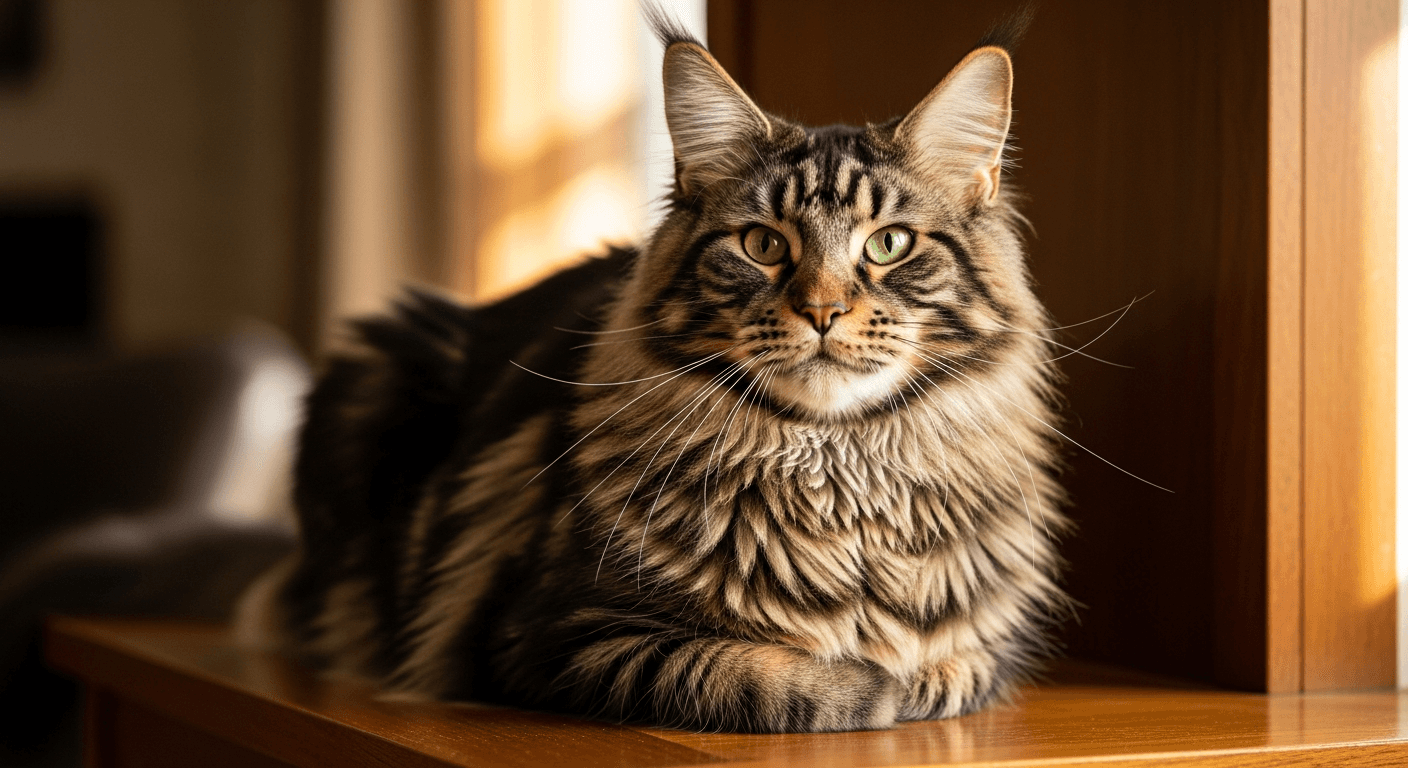
Maine Coon Cat: Complete Breed Guide — Personality, Care & Health
Discover everything about the Maine Coon: its dog-like personality, impressive size, grooming routine, health risks like HCM, and the ideal home environment.
 🐈 Cat Breeds
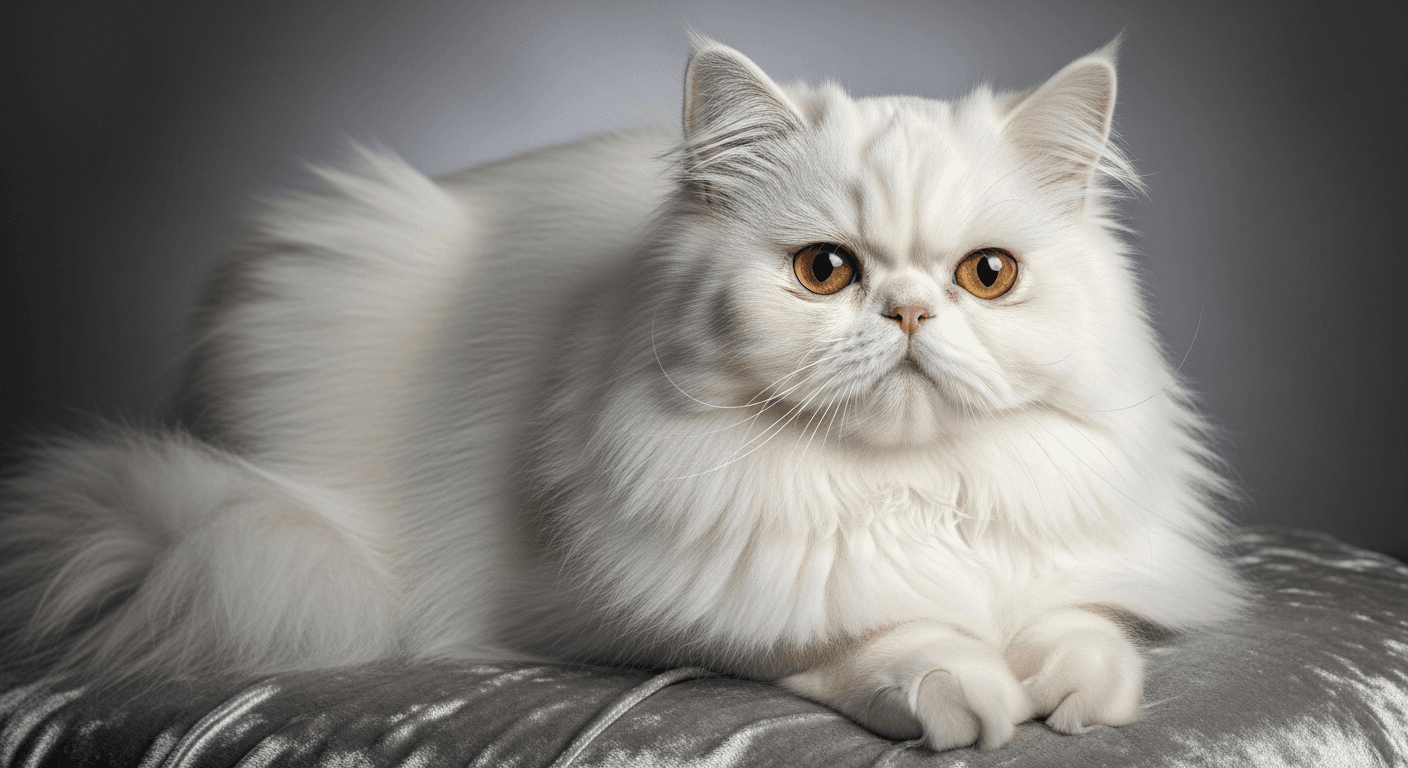
Persian Cat: Complete Breed Guide — Personality, Grooming & Health
Everything you need to know about Persian cats: temperament, coat care, common health issues, and whether this elegant breed suits your home.
 🐈 Cat Breeds
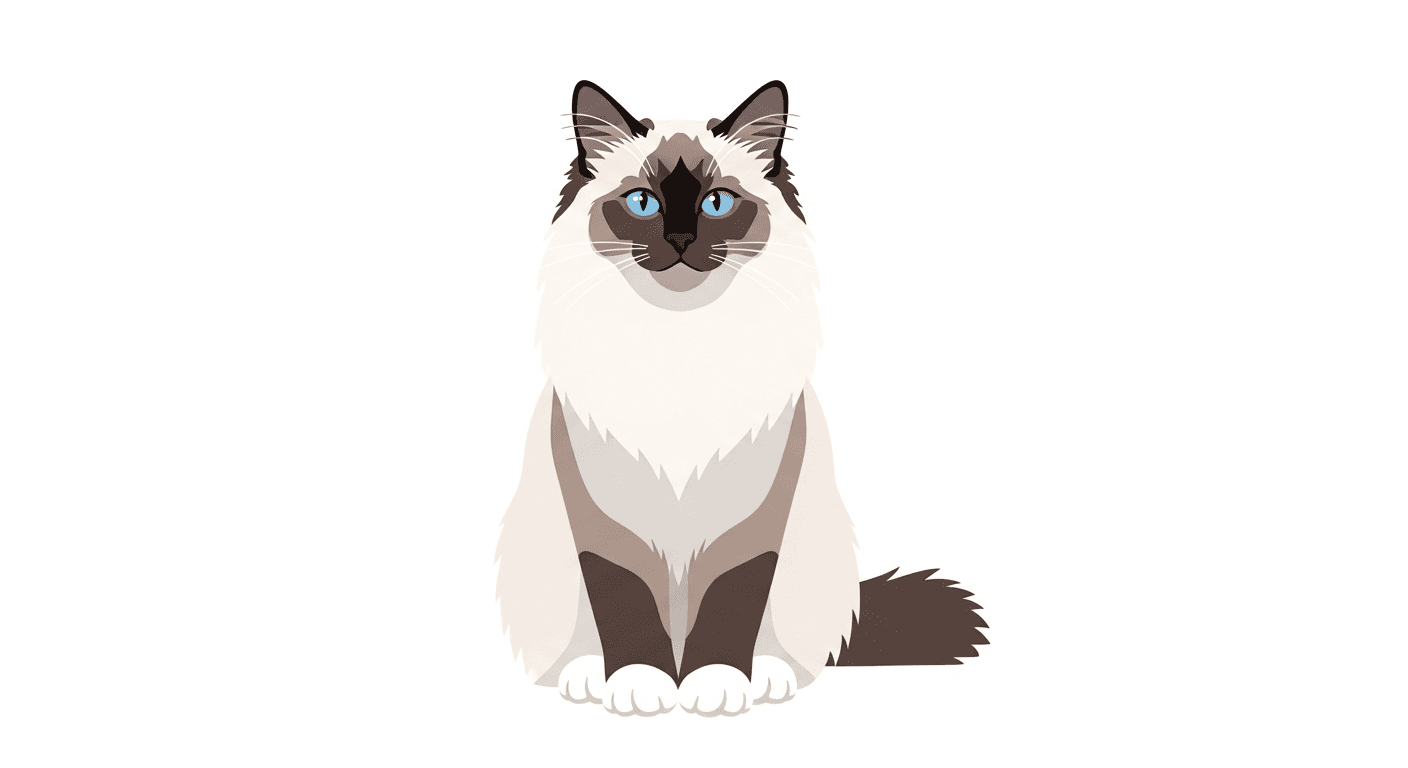
Birman Cat: Complete Breed Guide — Personality, Grooming & Health
A full guide to the Birman cat: its sacred temple origins, silky pointed coat, gentle personality, white-gloved paws, health risks, and ideal home environment.