
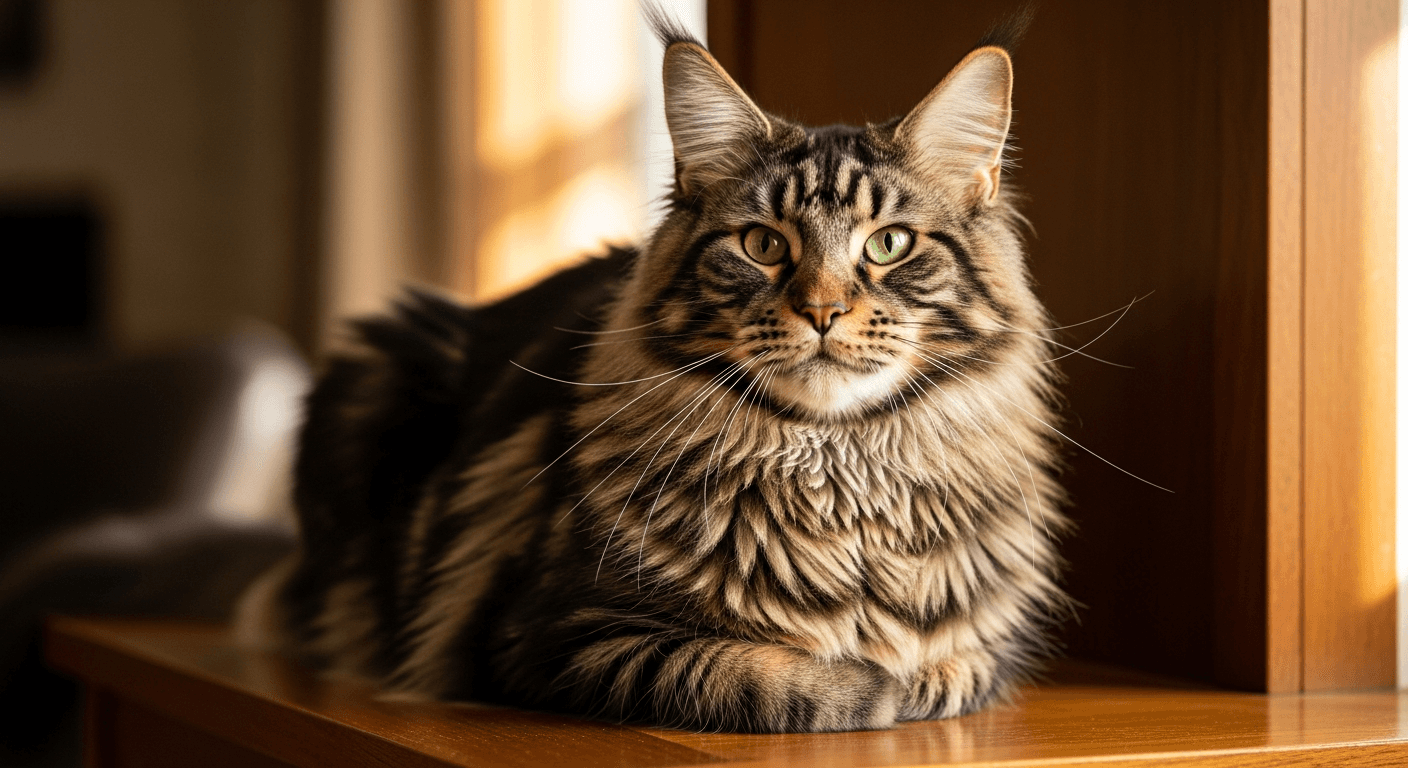
Maine Coon Overview
The Maine Coon is America's oldest native cat breed and one of the largest domestic cat breeds in the world. Named for the state of Maine, where it developed as a hardy working cat, the Maine Coon is beloved worldwide for its impressive size, dog-like personality, and striking appearance. Males typically weigh between 13 and 18 pounds, with some individuals reaching 20+ pounds. Females are somewhat smaller, ranging from 8 to 12 pounds.
Maine Coons have a rectangular body, a bushy, plumed tail, large tufted paws (which act like natural snowshoes), and a full mane around the neck — all adaptations to cold New England winters. Their coats are semi-long, water-resistant, and come in virtually every color and pattern. Their large, expressive eyes can be green, gold, or copper, while white Coons may have blue or odd-colored eyes.
Personality and Temperament
Often called "the dog of the cat world," Maine Coons are playful, sociable, and remarkably interactive. They retain a kitten-like playfulness well into adulthood and are known for following their owners from room to room.
- Highly social: Maine Coons enjoy the company of people and get along well with children, other cats, and cat-friendly dogs.
- Intelligent and trainable: They can learn to walk on a leash, play fetch, and respond to commands. Puzzle feeders and interactive toys are essential for mental stimulation.
- Vocal but gentle: Maine Coons have a distinctive chirping and trilling vocalization rather than a loud meow. They "talk" often and are highly communicative.
- Water-curious: Many Maine Coons have a fascination with water — expect them to dip paws in water bowls or join you near the sink.
- Not lap cats by default: They prefer being near you to sitting on you, though some individuals are quite cuddly.
Maine Coons do not do well with extreme isolation. If you work long hours, provide environmental enrichment — cat trees, window perches, and interactive feeders. A feline companion is often a good idea.
Grooming Needs
Despite their long, luxurious coat, Maine Coons are relatively low-maintenance compared to Persians. Their coat is designed to resist tangles to some degree, but regular brushing is still necessary.
- Brushing frequency: Two to three times per week with a wide-toothed comb or slicker brush. Daily brushing during shedding seasons (spring and fall) prevents mats.
- Focus areas: The belly, armpits, and behind the ears are most prone to matting. The ruff around the neck also needs regular attention.
- Bathing: Maine Coons generally tolerate bathing. A bath every 4–6 weeks helps manage shedding and keeps the coat healthy.
- Ear cleaning: Their large, tufted ears can accumulate debris. Check and clean weekly with a veterinarian-recommended ear solution.
- Nail trimming: Every 2–3 weeks. Provide adequate scratching posts to supplement.
Maine Coons shed significantly, especially in spring. A high-quality diet rich in omega-3 fatty acids supports coat health and reduces excessive shedding.
Health Risks and Common Conditions
Maine Coons are generally robust cats, but they carry a genetic predisposition to several serious conditions that owners must monitor.
- Hypertrophic Cardiomyopathy (HCM): The most significant health concern in Maine Coons. A genetic mutation (MYBPC3) causes thickening of the heart wall. DNA testing is available and reputable breeders screen for this. Annual cardiac ultrasound is recommended for adult Maine Coons.
- Spinal Muscular Atrophy (SMA): A genetic disorder affecting spinal cord neurons, causing muscle weakness in kittens. DNA testing can identify carriers and affected cats.
- Hip Dysplasia: More common in large cats, including Maine Coons. Signs include lameness, reluctance to jump, and pain. Weight management is critical.
- Polycystic Kidney Disease (PKD): Cysts develop in the kidneys over time. Regular blood work and urinalysis help detect early signs.
- Obesity: Their large frame can mask weight gain. Use measured meals and avoid free-feeding.
Schedule regular wellness checkups with a vet experienced in large cat breeds. Book a vet appointment at Happy Paws for your Maine Coon's annual cardiac screening and general health assessment. Track daily habits with the TailRounds Daily Log.
Ideal Home, Cost, and Availability
Maine Coons adapt well to most households — they are versatile, tolerant, and friendly with nearly everyone. They are suitable for families with children, multi-pet homes, and first-time cat owners willing to invest in regular vet care.
Space needs: Maine Coons appreciate space to roam. Cat trees, wall-mounted shelves, and outdoor catios are ideal. They can adapt to apartments if given sufficient vertical space and enrichment.
Purchase cost: From a reputable breeder, expect to pay $1,000–$2,500. Ensure the breeder provides HCM and SMA DNA test results. Maine Coon rescues and shelters also rehome adults, often for $100–$400.
Lifespan: 12–15 years with proper care. Maine Coons with well-managed health conditions can live into their late teens.
If you're considering a Maine Coon, Find a Clinic near you that has experience with large and long-haired cat breeds. Early genetic screening saves lives and prevents heartbreak.
Continue Reading
 🐈 Cat Breeds
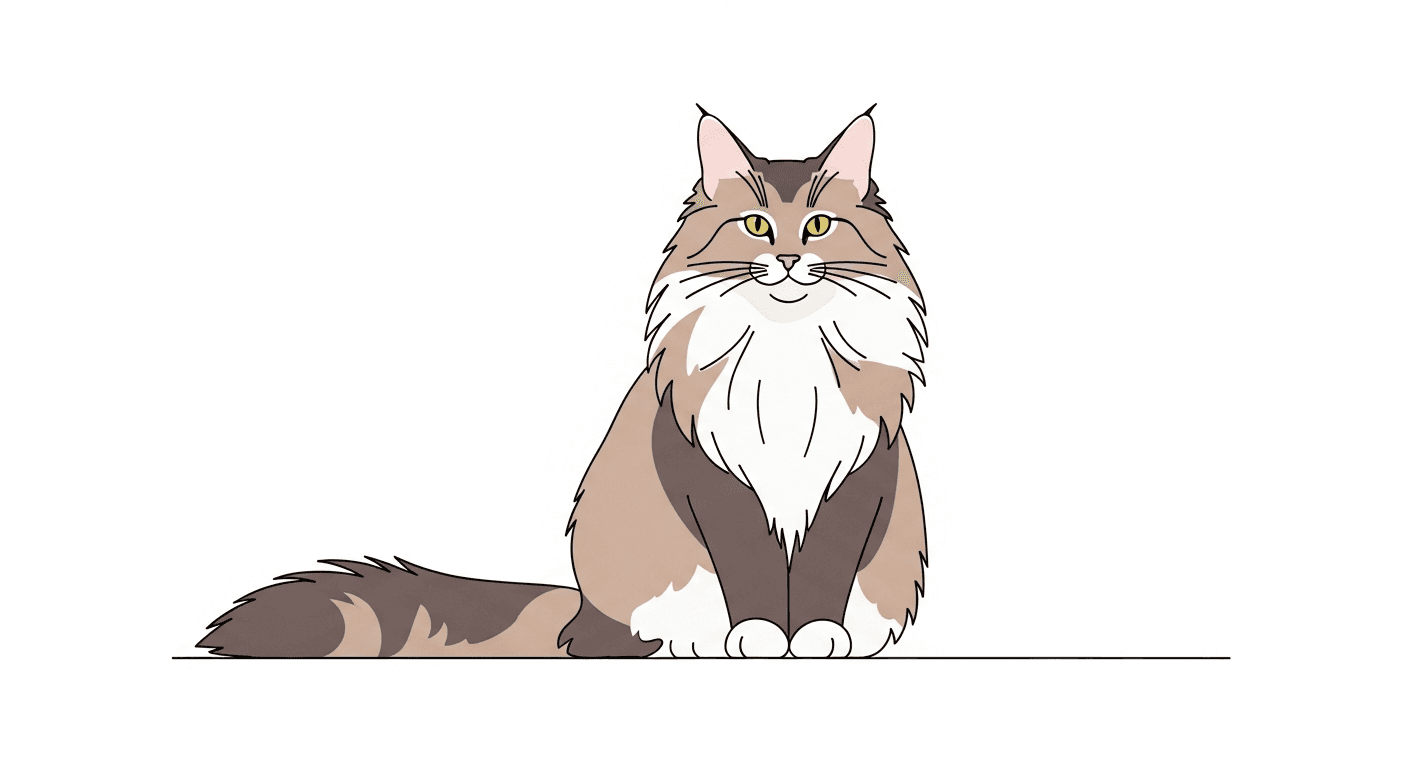
Norwegian Forest Cat: Complete Guide — Personality, Grooming & Health
Everything about Norwegian Forest Cats: their Viking-era history, semi-long weather-resistant coat, outdoor-ready personality, HCM and GSD IV risks, and ownership costs.
 🐈 Cat Breeds
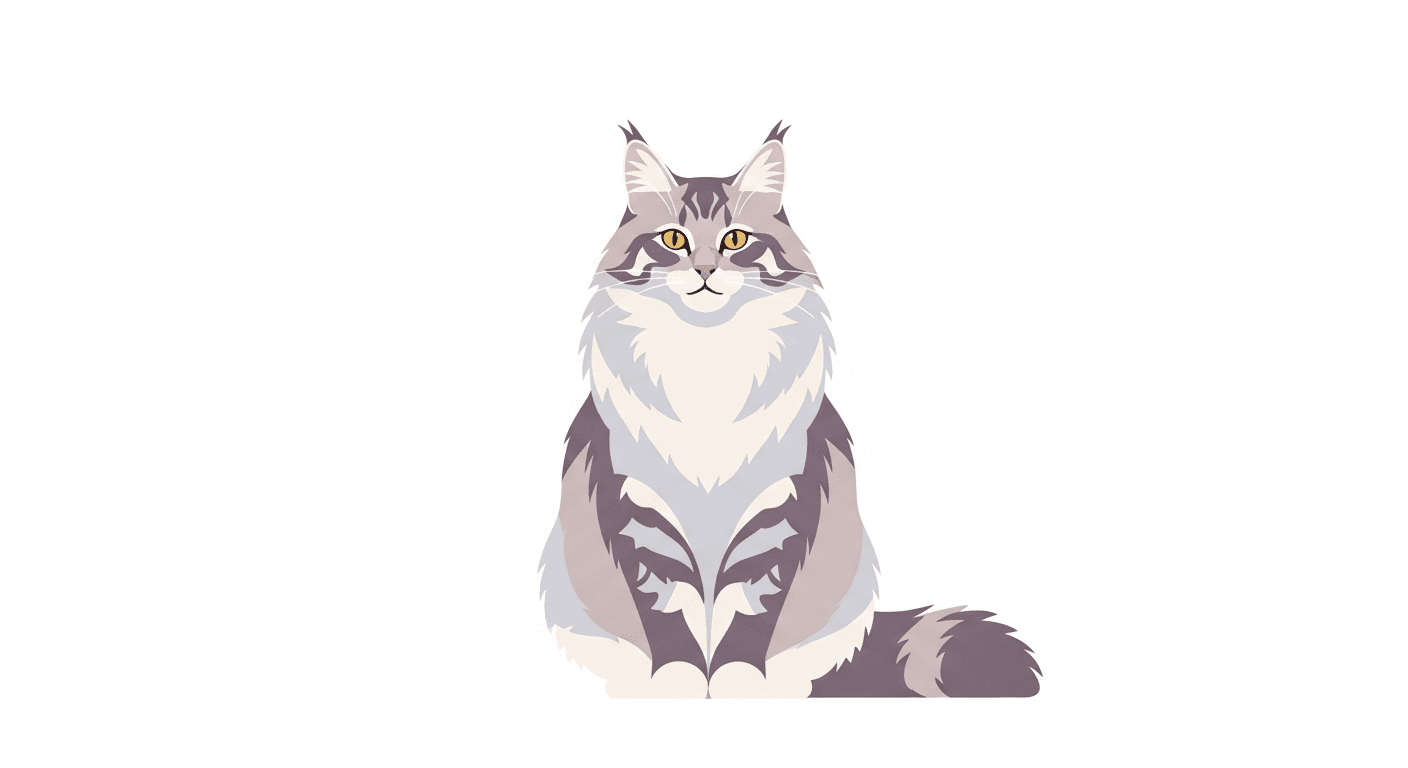
Siberian Cat: Complete Breed Guide — Personality, Coat & Health
Everything about Siberian cats: their ancient Russian forest origins, triple-layered water-resistant coat, gentle dog-like personality, low allergen potential, and breed-specific health needs.
 🐈 Cat Breeds
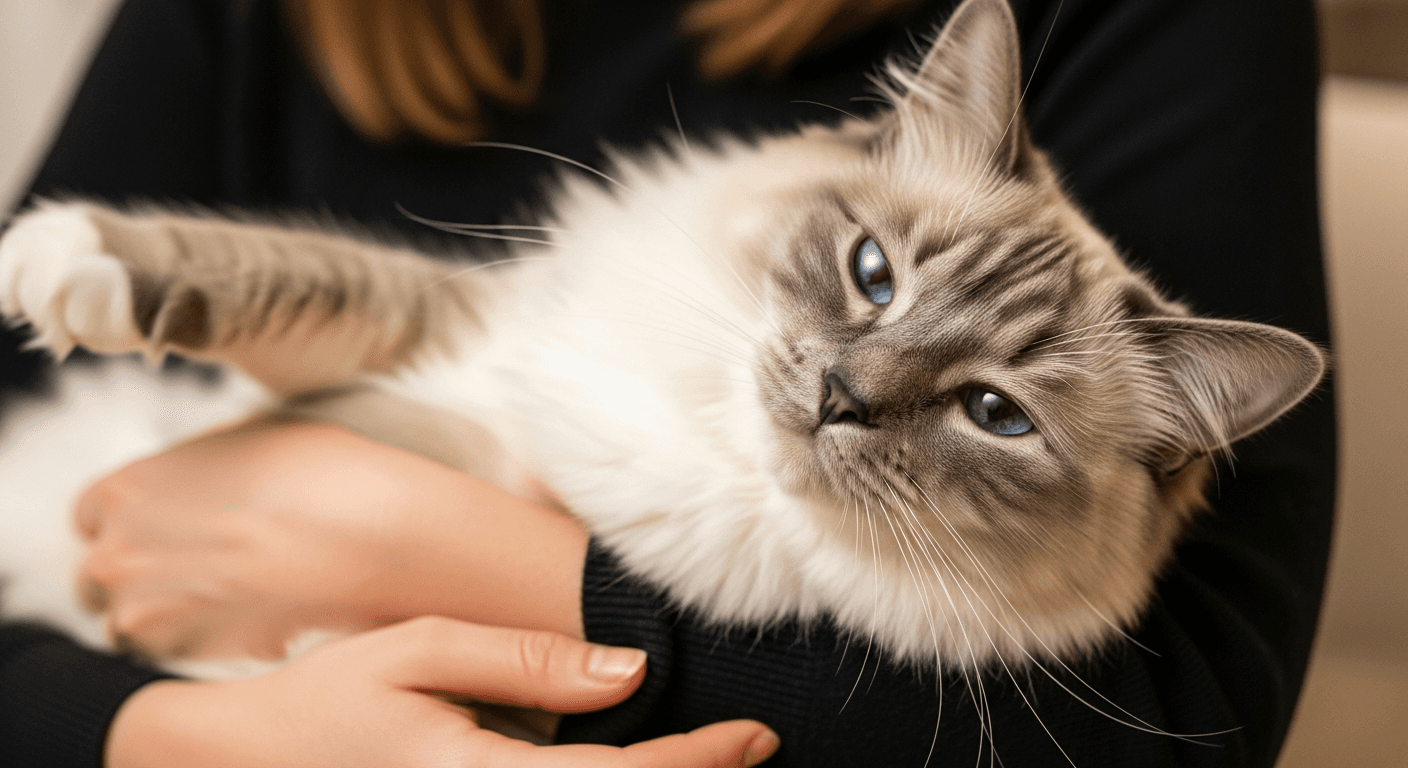
Ragdoll Cat: Complete Breed Guide — Personality, Grooming & Health
Everything about Ragdoll cats: their famously gentle temperament, semi-long coat care, HCM risk, litter size, and whether this blue-eyed breed fits your lifestyle.