
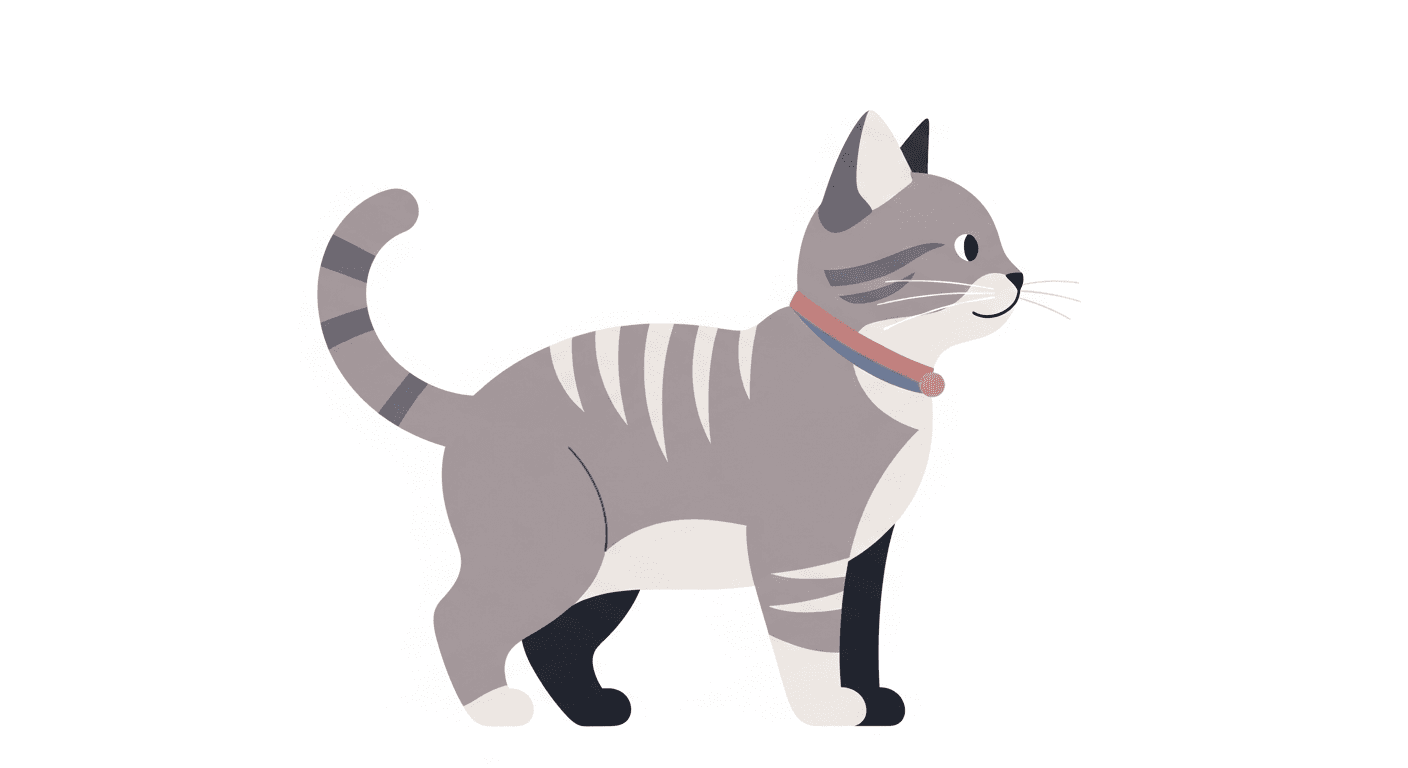
American Shorthair Overview
The American Shorthair is a true all-American cat — a breed descended from working cats brought to North America by European settlers on the Mayflower and subsequent ships to protect cargo and grain stores from rodents. Selective breeding in the early 20th century refined the type into the modern American Shorthair, one of the most popular cat breeds in the United States. They are distinct from random-bred domestic shorthair cats — the American Shorthair is a pedigree breed with consistent, predictable physical and personality traits.
American Shorthairs are medium to large, strongly built cats with a broad chest, well-muscled body, and a dense, thick coat adapted to outdoor work. They come in over 80 recognized colors and patterns, with the silver classic tabby (silver coat with bold black classic tabby markings) being the most iconic and widely recognized. Males weigh 11–15 pounds; females 8–12 pounds. Their faces are open, rounded, and pleasant-looking — approachable and friendly in expression.
Personality and Temperament
The American Shorthair embodies balanced, healthy cat ownership. They are a middle-of-the-road breed in the very best sense — not extreme in any personality trait, adaptable, and genuinely easygoing.
- Even-tempered: American Shorthairs are not easily stressed, startled, or unsettled. They approach new situations with calm curiosity rather than anxiety.
- Affectionate without being demanding: They enjoy human company and regular interaction but do not demand constant attention. They can entertain themselves when owners are busy.
- Adaptable: They adjust well to different household types — families with children, multi-pet homes, quieter single-owner households, and even somewhat busy environments.
- Playful in moderation: They retain a moderate play drive throughout their lives. Interactive toys and regular play sessions prevent boredom and maintain healthy weight.
- Not typically a lap cat: Most American Shorthairs prefer to sit beside rather than on their owners, though individuals vary widely.
- Good hunters: Their working heritage means strong prey drive. Puzzle feeders and wand toys that mimic prey movement are excellent enrichment choices.
The American Shorthair is frequently recommended for first-time cat owners, families, and anyone who wants a reliable, affectionate companion without extreme personality quirks.
Grooming Needs
The American Shorthair's dense, thick coat is straightforward to maintain. Their working heritage means a coat designed to handle weather and activity.
- Brushing: Once or twice a week with a medium-toothed comb or slicker brush. Increase frequency during spring and fall shedding seasons.
- Coat quality: American Shorthairs have a naturally dense, resilient coat. A high-protein diet with essential fatty acids maintains coat condition and reduces excessive shedding.
- Bathing: Occasional bathing (every 4–6 weeks) helps manage seasonal shedding but is not strictly necessary for most individuals.
- Nail trimming: Every 2–3 weeks. Provide adequate scratching posts.
- Dental hygiene: Regular brushing and annual professional cleanings are important. American Shorthairs can be prone to tartar buildup.
Health Risks and Common Conditions
As one of the most naturally developed cat breeds, American Shorthairs are among the healthiest and longest-lived. However, several conditions deserve monitoring.
- Hypertrophic Cardiomyopathy (HCM): Heart disease has been documented in American Shorthairs. Annual cardiac auscultation and periodic echocardiography are recommended, especially for cats over 5 years old.
- Obesity: Their moderate temperament and indoor lifestyle create significant obesity risk. Structured meals and regular play are essential preventive measures.
- Urinary tract disease (FLUTD): Including crystal formation and FIC. High-moisture diet and stress reduction help prevent recurrence.
- Dental disease: Tartar accumulation and periodontal disease are common. Preventive dental care from kittenhood is strongly recommended.
- Polycystic Kidney Disease (PKD): Occasionally reported; breeders should be asked about DNA testing status.
The American Shorthair's relative genetic diversity compared to more intensively bred cats contributes to its hardiness. Book a vet appointment at Happy Paws to establish a wellness plan with cardiac monitoring and dental care. Use the TailRounds Daily Log to monitor weight, appetite, and activity. Find a Clinic near you for a comprehensive health assessment.
Ideal Home, Cost, and Availability
American Shorthairs are suitable for virtually any responsible household. They are an excellent starting point for new cat owners and a reliable, adaptable companion for experienced ones.
Purchase cost: $800–$1,500 from reputable breeders. American Shorthairs are one of the more accessible pedigree breeds. Domestic shorthair rescues may also contain cats with similar traits, available for much lower adoption fees.
Lifespan: 15–20 years. One of the longest-lived cat breeds when properly cared for. Their genetic diversity and robust constitution are major longevity factors.
Continue Reading
 🐈 Cat Breeds
British Shorthair: Complete Breed Guide — Personality, Care & Health
A full guide to the British Shorthair cat: its calm personality, plush coat, breed-specific health risks like HCM and PKD, ideal home environment, and ownership costs.
 🐈 Cat Breeds
Russian Blue Cat: Complete Breed Guide — Personality, Care & Health
A complete guide to Russian Blue cats: their shy yet loving personality, stunning silver-blue coat, low allergen qualities, health risks, and ideal home environment.