
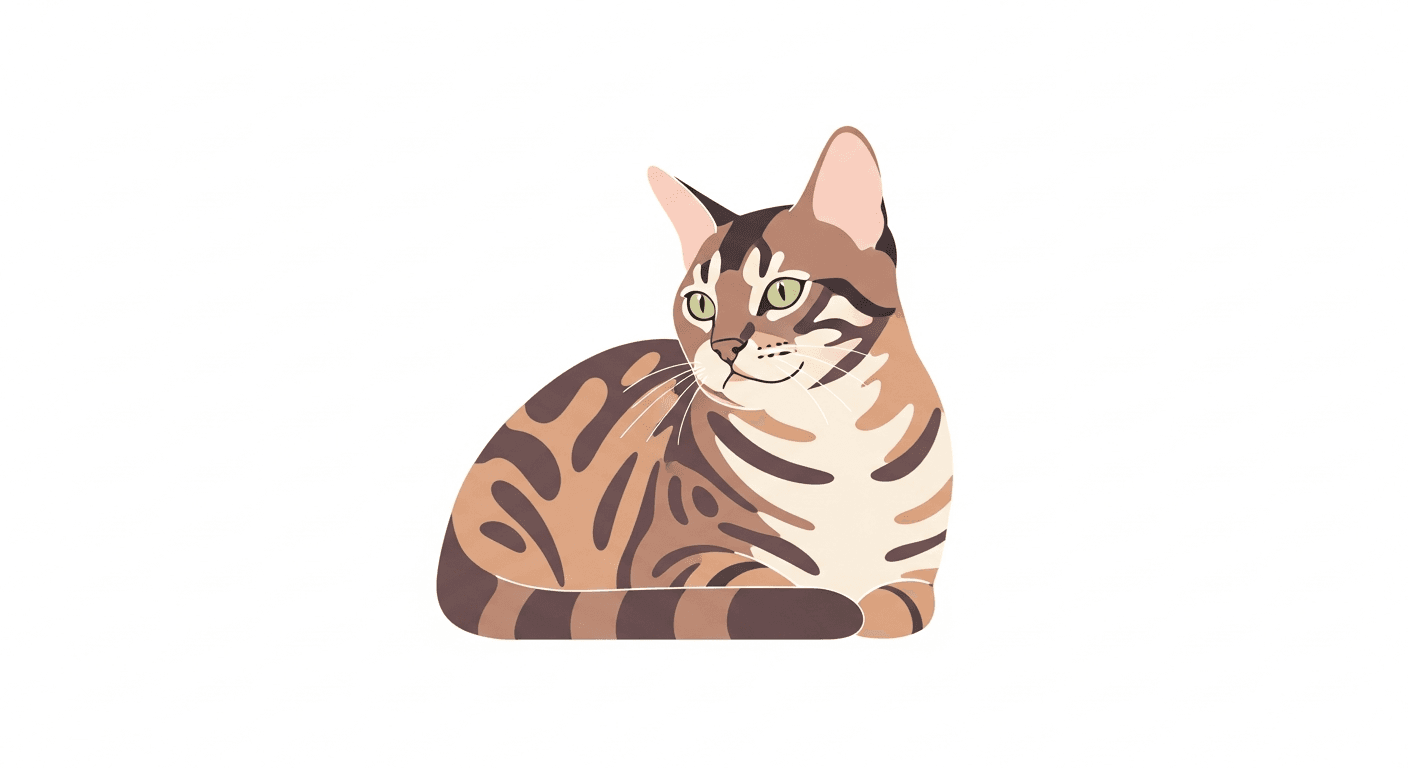
Bengal Cat Overview
The Bengal cat is a domestic breed developed by crossing domestic cats with the Asian Leopard Cat (Prionailurus bengalensis). The result is a strikingly beautiful cat that looks like a wild jungle cat but lives as a domestic companion. Bengals were created by breeder Jean Sudgen Mill in the 1980s, and today they are one of the most popular — and most misunderstood — breeds in the world.
Bengals have a muscular, athletic build, slightly longer hind legs than front legs (giving them a distinctive "rolling gait"), and a coat covered in rosettes or marbled patterns. The coat is short, extremely dense, and has a unique pelt-like quality that almost glitters in direct light. Colors range from brown tabby (the most common) to snow, silver, charcoal, and blue. Males weigh 10–15 pounds; females 8–10 pounds.
Personality and Temperament
Bengals are not typical domestic cats. They are highly energetic, curious, confident, and demanding. They suit experienced cat owners who can provide exceptional enrichment and engagement.
- Extremely active: Bengals run, jump, climb, and play with intense energy. They need vertical space, cat wheels, outdoor catios, or supervised outdoor time to burn energy.
- Intelligent and mischievous: Bengals open doors, turn on faucets, knock objects off shelves deliberately, and can outsmart basic cat-proofing. Provide complex puzzle toys daily.
- Water lovers: Unlike most cats, Bengals are fascinated by water. They may splash in water bowls, join you in the shower, or fish toys from a water dish.
- Vocal and assertive: They have a large vocabulary of sounds and are not shy about demanding attention, food, or play.
- Can be aloof with strangers: While bonded firmly to their family, some Bengals are wary of unfamiliar people. Early socialization is critical.
- Not a lap cat by nature: They prefer action to cuddles, though some individuals become affectionate with age.
Bengals should not be left alone for long periods. A bored Bengal is a destructive Bengal. A feline companion of similar energy level can help, but this does not replace owner interaction.
Grooming Needs
The Bengal's short, dense pelt-like coat is low-maintenance compared to long-haired breeds. They are efficient self-groomers.
- Brushing: Once a week is sufficient to remove loose hair. A rubber grooming mitt works excellently on the short coat.
- Bathing: Rare, unless the cat gets into something messy. Bengals often tolerate — or enjoy — baths.
- Nail trimming: Every 2–3 weeks. Bengals are energetic climbers; provide multiple heavy-duty scratching posts.
- Dental care: Brush teeth regularly. Dental disease is common in cats that are not given dental maintenance.
- Ear cleaning: Check weekly, especially if the cat has outdoor access.
The Bengal coat is truly minimal in maintenance — the main grooming investment with this breed is in providing mental and physical stimulation, not coat care.
Health Risks and Common Conditions
Bengals are relatively healthy, but several genetic conditions appear more frequently in this breed.
- Progressive Retinal Atrophy (PRA-b): A specific form of PRA affects Bengals, caused by a recessive gene. DNA testing is available, and reputable breeders screen for it. PRA leads to gradual blindness.
- Hypertrophic Cardiomyopathy (HCM): Heart disease appears in Bengals. Annual cardiac screening is recommended for adults.
- Bengal Progressive Retinal Atrophy: A separate condition from PRA-b, causing earlier onset of vision loss. DNA testing exists.
- Feline Infectious Peritonitis (FIP) susceptibility: Some lines may show higher coronavirus mutation rates. Minimize exposure to multi-cat environments with unknown cats.
- Entropion: A condition where the eyelid rolls inward, causing corneal irritation. Surgical correction is effective.
- Distal Neuropathy: A neurological condition seen in some Bengals causing weakness and abnormal gait. There is no DNA test currently available.
Always request DNA test results for PRA-b from Bengal breeders. Book a vet appointment at Happy Paws to establish baseline health records. Use the TailRounds Daily Log to track activity levels — a sudden drop in a Bengal's energy is a significant warning sign. Find a Clinic near you with experience in exotic domestic breeds.
Ideal Home, Cost, and Availability
Bengals suit active owners who have time to dedicate daily to play, interaction, and environmental enrichment. They are not suited to sedentary households, small apartments without enrichment, or owners who work long hours without a companion animal for the Bengal.
Legal note: In some jurisdictions, Bengal cats within certain filial generations (F1–F4, containing more wild DNA) may require permits or are restricted. Check local regulations before acquiring a Bengal.
Purchase cost: $1,500–$5,000+ depending on generation, markings, and breeder reputation. Show-quality Bengals with exceptional rosettes command premium prices. F1 and F2 Bengals (closer to wild ancestry) are significantly more expensive and more challenging to keep.
Lifespan: 12–16 years with proper care and regular veterinary monitoring.
Continue Reading
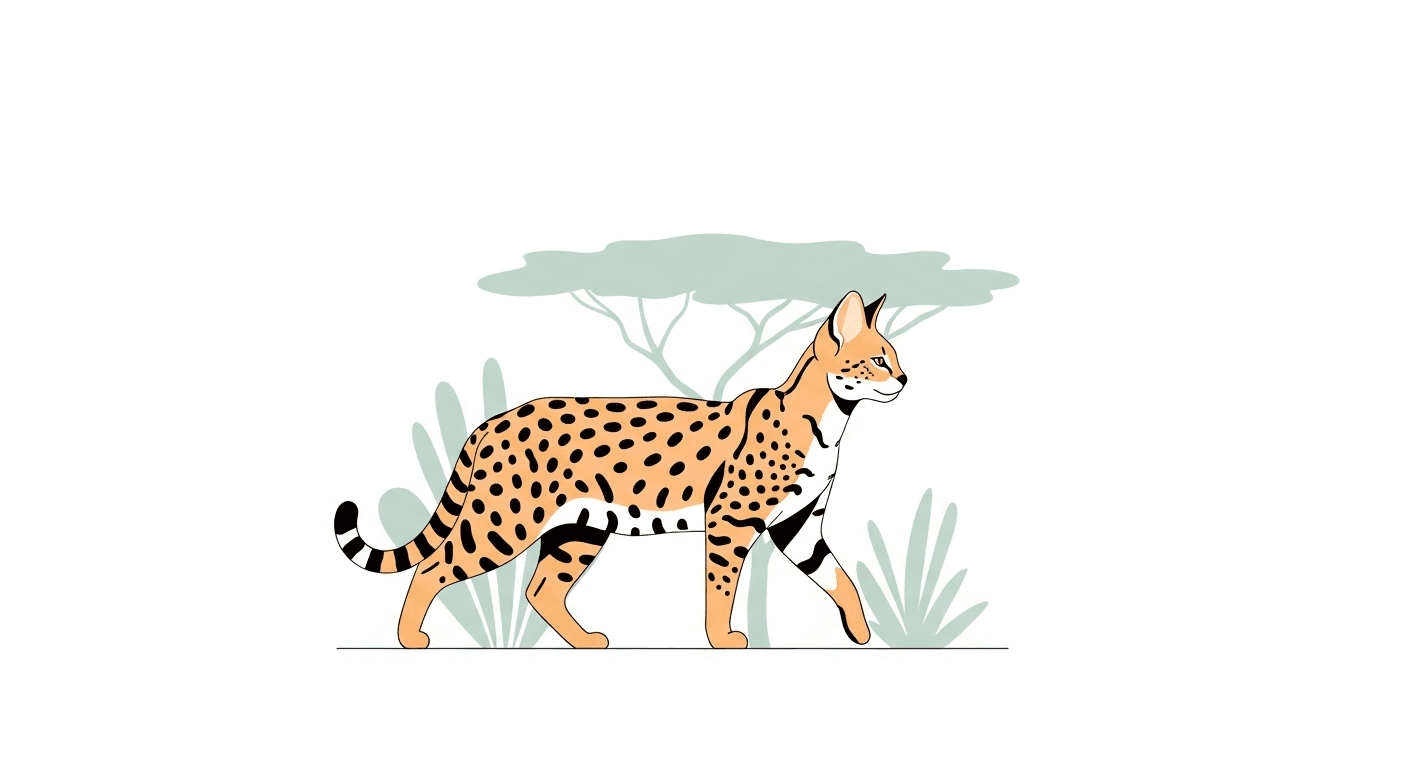 🐈 Cat Breeds
Savannah Cat: Complete Breed Guide — Personality, Legality & Care
Everything about Savannah cats: their serval ancestry, exotic appearance, extraordinary size and energy, legal restrictions, health needs, and whether this wild-derived breed is right for you.
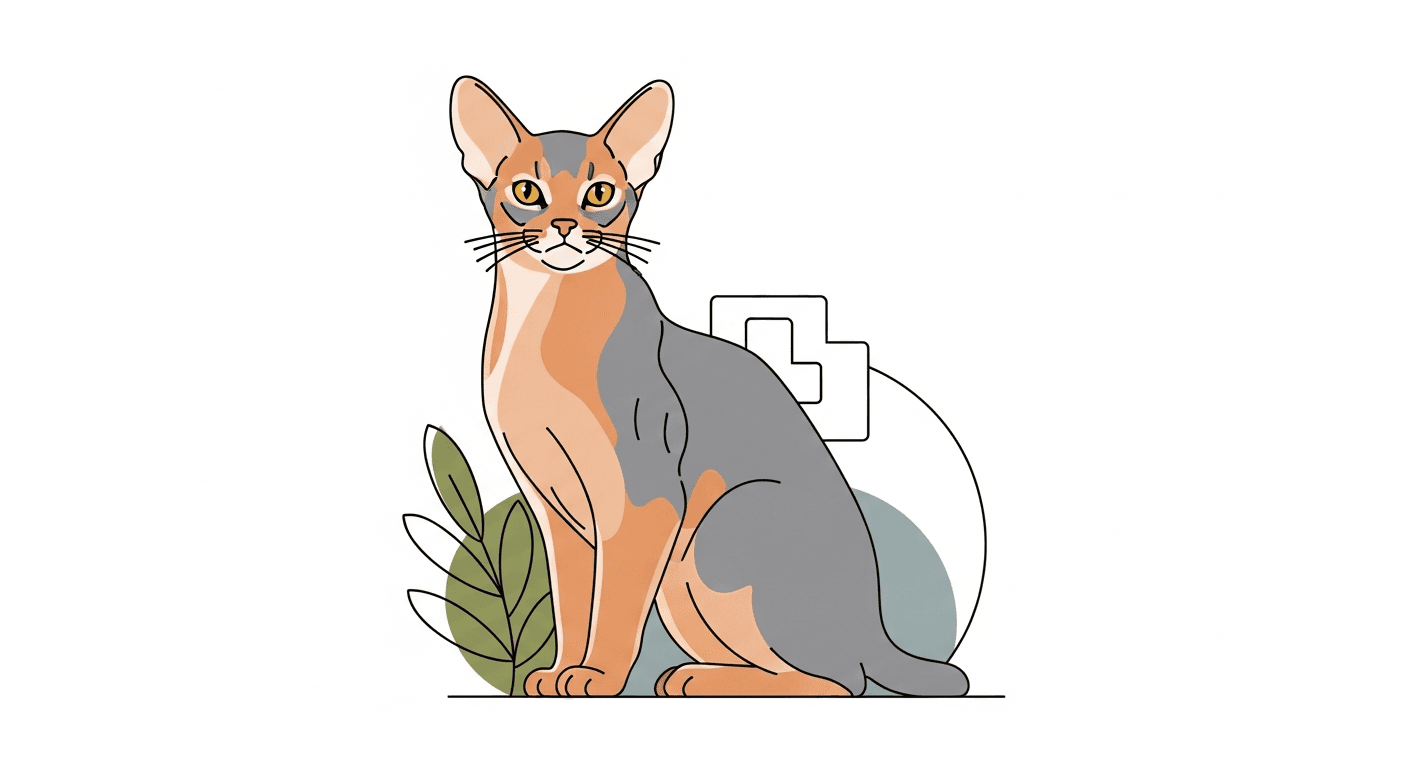 🐈 Cat Breeds
Abyssinian Cat: Complete Breed Guide — Personality, Care & Health
A full guide to the Abyssinian cat: its athletic personality, ticked coat, moderate grooming needs, health risks including PRA and renal amyloidosis, and ideal home.
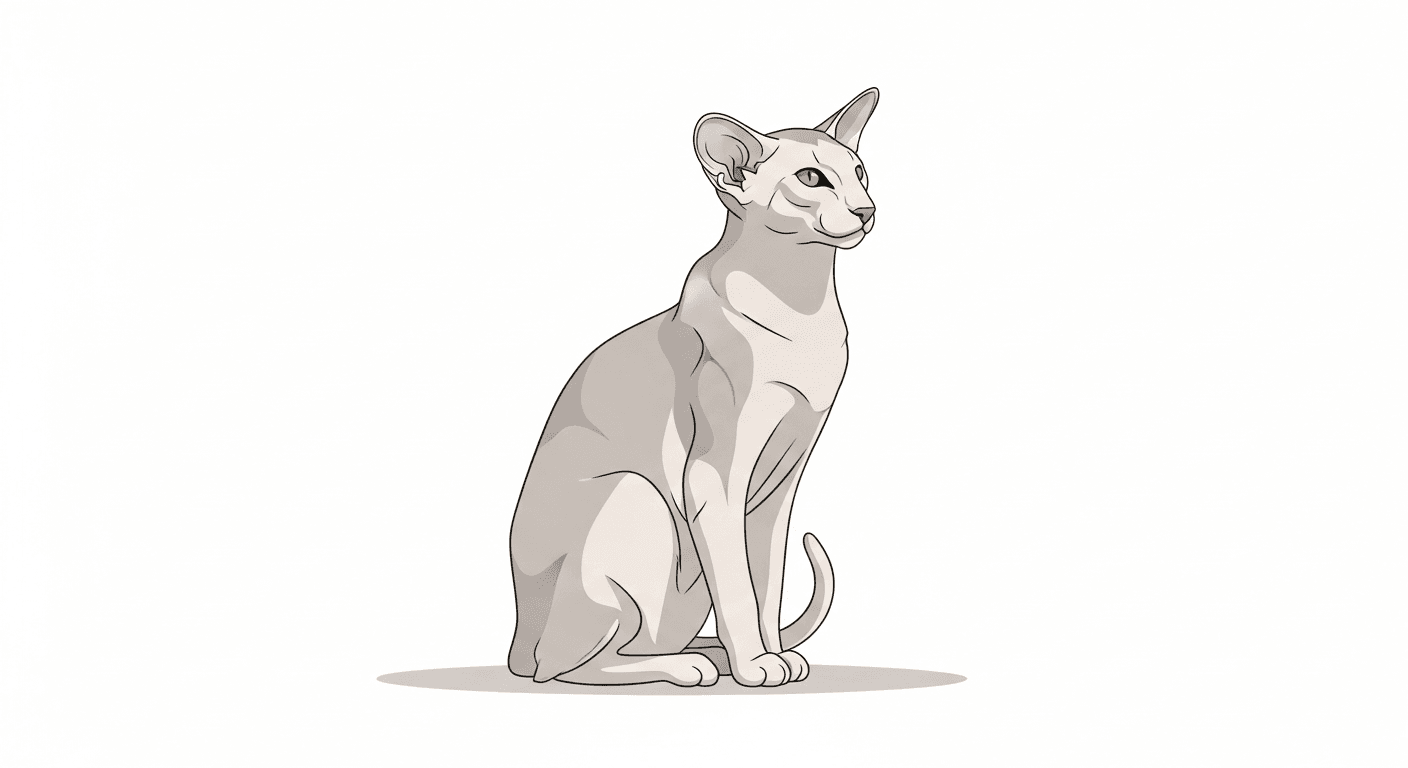 🐈 Cat Breeds
Oriental Shorthair: Complete Breed Guide — Personality, Care & Health
A full guide to the Oriental Shorthair: its dramatic appearance, extraordinary range of colors, Siamese-like personality, health risks, and why this breed is not for the faint of heart.