
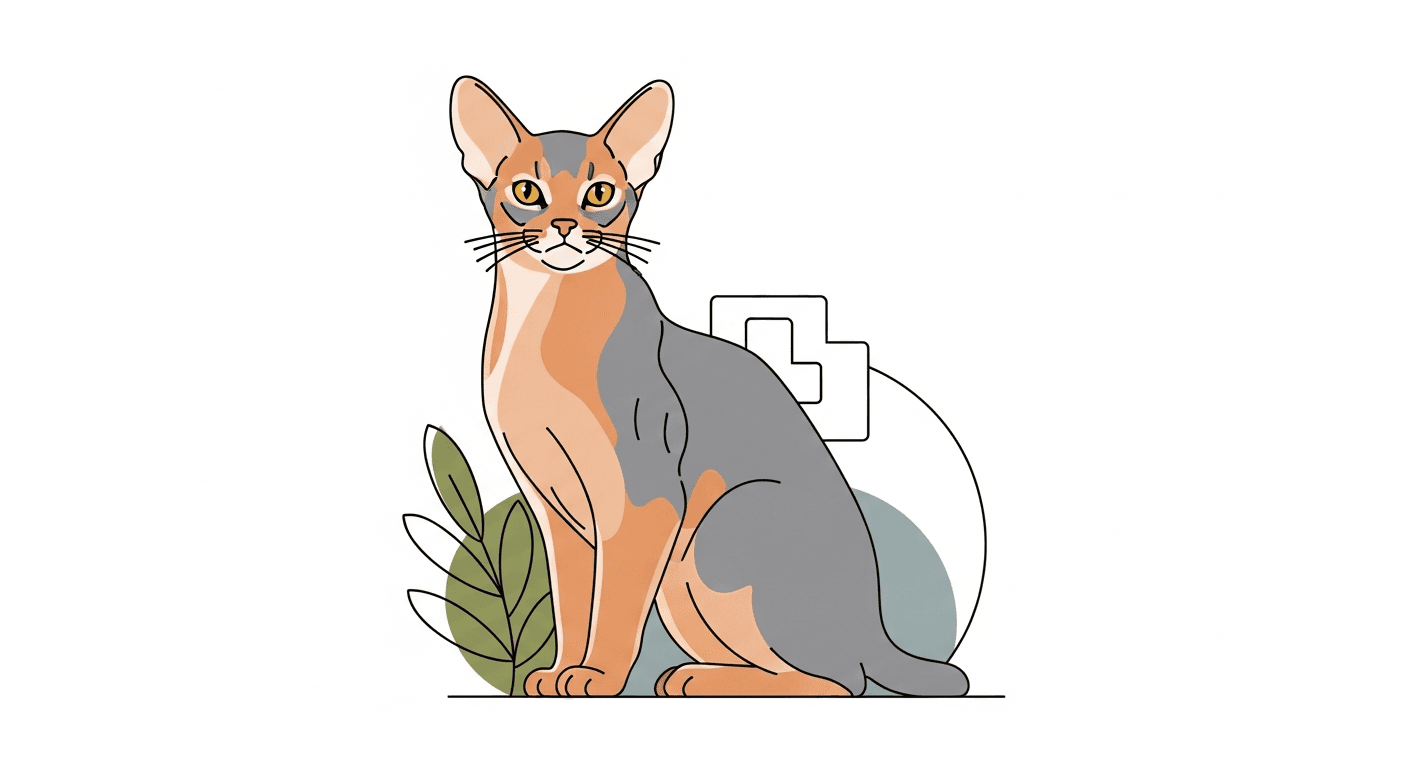
Abyssinian Cat Overview
The Abyssinian is one of the oldest known cat breeds, with a history that traces back to ancient Egypt — mummified cats bearing resemblance to the Abyssinian have been found in Egyptian tombs. Despite its ancient origins, the modern Abyssinian was developed in Britain from cats imported in the 19th century. Today, the "Aby" is consistently ranked among the most popular short-haired cat breeds worldwide, beloved for its spectacular appearance and electric personality.
Abyssinians are medium-sized cats, slender and athletic, with large ears, almond-shaped eyes in gold or green, and a distinctive ticked tabby coat. The ticking — where each individual hair has multiple bands of color — gives the coat a shimmering, wild appearance similar to a mountain lion or rabbit's fur. Ruddy (warm orange-brown) is the most common color, with cinnamon, blue, and fawn also recognized. Males weigh 8–10 pounds; females 6–8 pounds.
Personality and Temperament
Abyssinians are often described as the most dog-like of all cat breeds. They are perpetually curious, active, and engaged with everything happening around them.
- Extremely active and playful: Abyssinians do not sit still. They run, climb, and explore constantly. Cat trees, wall shelves, and puzzle toys are not optional — they are essential.
- People-oriented: They follow owners from room to room and want to be involved in every activity. They are not lap cats but are intensely present.
- Social with other pets: Abyssinians get along well with other active cats and dogs. They may overwhelm sedentary companions.
- Intelligent problem-solvers: They figure out puzzles, open doors, and learn tricks quickly. Mental stimulation is as important as physical exercise.
- Sensitive and empathetic: Abyssinians pick up on their owners' moods and can become stressed in tense or chaotic households.
An Abyssinian without adequate stimulation can become destructive or develop anxiety-related behaviors. They are best suited to homes where someone is active and engaged, not as a "background" cat.
Grooming Needs
The Abyssinian's short ticked coat is one of the easiest to maintain of any breed.
- Brushing: Once or twice a week with a fine-toothed comb or rubber grooming glove. Abyssinians shed minimally.
- Bathing: Rarely needed. Abyssinians are excellent self-groomers.
- Nail trimming: Every 2–3 weeks. Abyssinians are active, so their nails may not need as frequent trimming if they use scratching posts vigorously.
- Ear care: Check weekly and clean if needed. Their large, open ears can accumulate debris.
- Dental hygiene: Regular brushing and annual dental check-ups prevent the periodontal disease to which many cats are prone.
The low grooming demand is one of the breed's advantages. The primary care investment is in environmental enrichment and veterinary wellness monitoring.
Health Risks and Common Conditions
Abyssinians are generally hardy, but several hereditary conditions appear in the breed that owners must be aware of.
- Progressive Retinal Atrophy (PRA): A hereditary condition causing progressive blindness. An autosomal recessive gene has been identified. DNA testing is available, and responsible breeders test all breeding cats.
- Renal Amyloidosis: The Abyssinian breed has a known hereditary predisposition to kidney amyloidosis — protein deposits in the kidneys that cause progressive renal failure. There is no DNA test; monitoring kidney function through regular blood panels is essential.
- Pyruvate Kinase Deficiency (PK Deficiency): A hereditary enzyme deficiency causing hemolytic anemia. DNA testing is available. Symptoms include lethargy, jaundice, and weight loss.
- Periodontal disease: Highly prevalent in Abyssinians. Start dental care routines early.
- Patellar luxation: The kneecap can slip out of position in some individuals. Signs include intermittent lameness or skipping gait.
Book a vet appointment at Happy Paws to request kidney function panels and PRA DNA testing for your Abyssinian. The TailRounds Daily Log is ideal for tracking your Aby's activity level, which drops noticeably before clinical signs of kidney disease appear. Find a Clinic near you experienced with hereditary cat conditions.
Ideal Home, Cost, and Availability
Abyssinians are best suited to active households where someone is home regularly, with time for interactive play and exploration. They are ideal for families, individuals, and multi-pet homes where companions are similarly energetic.
Not recommended for: Sedentary homes, elderly owners with limited mobility, or homes where the cat will be alone for most of the day without enrichment.
Purchase cost: $900–$1,800 from reputable breeders with PRA and PK Deficiency testing. Abyssinians are occasionally found in shelters and breed-specific rescues.
Lifespan: 12–15 years. Kidney monitoring is the most critical preventive care investment for this breed.
Continue Reading
 🐈 Cat Breeds
Bengal Cat: Complete Breed Guide — Personality, Activity & Health
Everything about Bengal cats: their wild look, high energy needs, unique coat, health risks including HCM and PRA, and whether this exotic breed is right for your home.
 🐈 Cat Breeds
Oriental Shorthair: Complete Breed Guide — Personality, Care & Health
A full guide to the Oriental Shorthair: its dramatic appearance, extraordinary range of colors, Siamese-like personality, health risks, and why this breed is not for the faint of heart.