
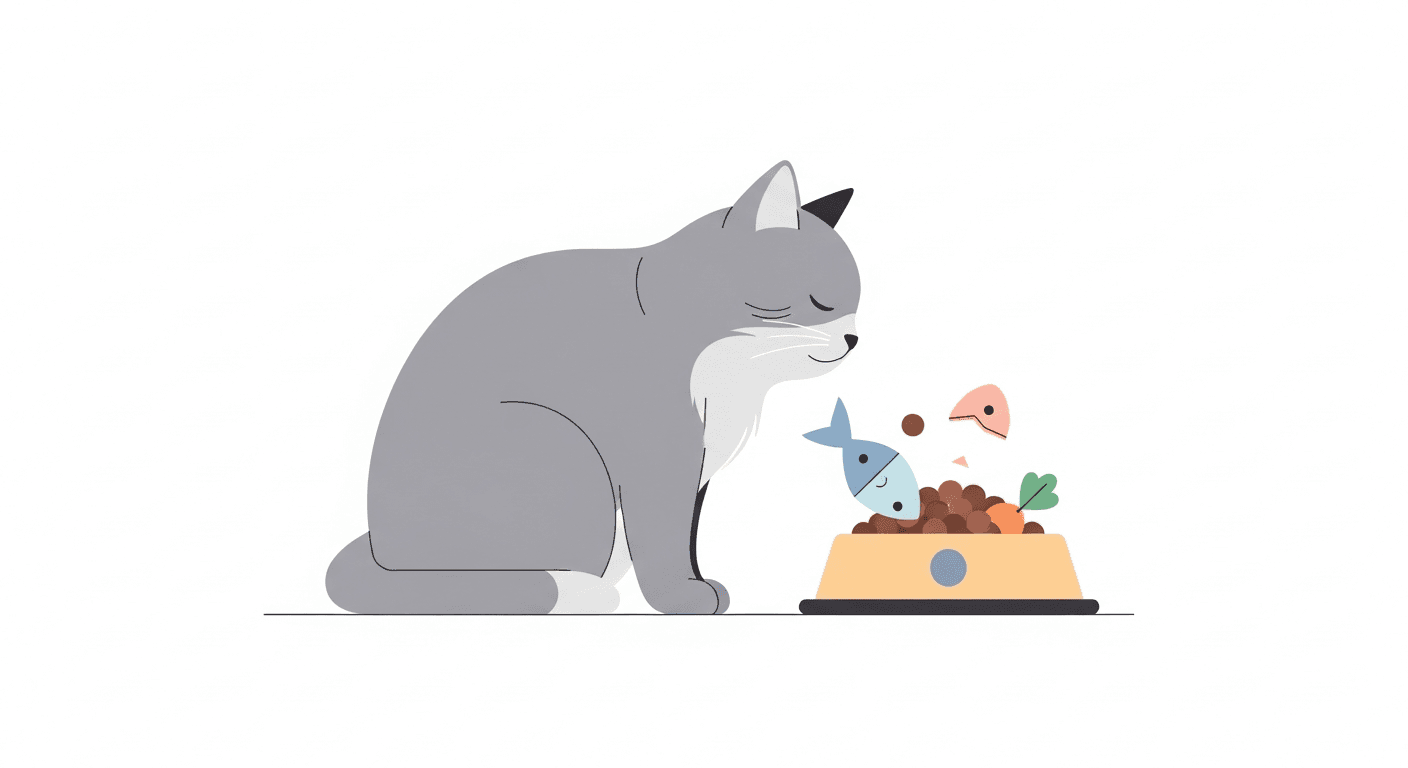
Feline Aging: Understanding the Senior Life Stage
Cats are generally classified as senior at 11–14 years and geriatric at 15 years and beyond, though nutritional needs often begin shifting as early as 7–8 years. Unlike dogs, where breed size dramatically affects aging rate, cats have a more uniform aging trajectory — most domestic cats follow similar physiological aging patterns regardless of size.
The AAFP (American Association of Feline Practitioners) breaks feline aging into three stages:
- Mature: 7–10 years — metabolism slowing, subtle organ changes beginning
- Senior: 11–14 years — visible aging, increased disease risk, significant metabolic shifts
- Geriatric: 15+ years — often managing multiple concurrent conditions
Schedule bi-annual vet visits from age 7 onward — Book a vet appointment at Happy Paws to stay ahead of age-related changes. Track your senior cat's daily eating habits and symptoms with the TailRounds Daily Log.
Protein: The Most Critical Nutrient for Senior Cats
The most important — and most frequently misunderstood — nutritional shift for senior cats involves protein. Older cats experience a phenomenon called reduced protein digestibility and increased protein turnover, meaning they need more dietary protein than younger adults to maintain lean muscle mass, not less.
Studies show that cats over 12 years old lose muscle mass progressively (sarcopenia) even when body weight appears stable — because fat is being deposited as muscle is lost, a condition called "skinny fat." The solution is highly digestible animal protein at levels of 35–45% dry matter or higher.
Do not restrict protein in otherwise healthy senior cats based on age alone. Protein restriction is only indicated in cats with late-stage chronic kidney disease (CKD Stage 3–4) where BUN and phosphorus are elevated despite other interventions.
Hydration: Even More Critical in Senior Cats
Kidney disease affects approximately 30–40% of cats over 12 years old, and adequate hydration is the single most important dietary factor in slowing its progression. Senior cats already have a low thirst drive, and this may diminish further with age.
Strategies to increase water intake:
- Switch to wet food as the primary diet — this alone can triple daily water intake
- Use a cat water fountain — many cats prefer running water and drink more from fountains
- Place water bowls in multiple locations around the home
- Add a small amount of low-sodium broth to wet food or water
- Use wide, shallow dishes — cats dislike their whiskers touching the bowl edge
Common Senior Cat Health Conditions and Dietary Adjustments
| Condition | Prevalence in Seniors | Key Dietary Adjustment |
|---|---|---|
| Chronic kidney disease (CKD) | ~30–40% over age 12 | Low phosphorus, high moisture, moderate protein |
| Hyperthyroidism | ~10% over age 10 | High-calorie diet to counteract weight loss; manage with medication |
| Diabetes mellitus | ~1–2% of all cats | Low-carb, high-protein wet food; consistent feeding schedule |
| Dental disease | ~70–80% over age 3 | Soft wet food; dental treats; warm water-softened kibble |
| Inflammatory bowel disease | Common in seniors | Novel protein or hydrolyzed protein diet; highly digestible |
| Cancer | Increases with age | High-protein, moderate-fat, low-carb; palliative feeding goals |
| Obesity | ~60% of adult cats | Calorie-controlled wet food; eliminate free-feeding dry food |
Practical Senior Cat Feeding Guidelines
Calories: Many sedentary senior cats need 10–15% fewer calories than their younger counterparts. However, cats over 12 with muscle wasting may actually need more. Monitor body weight AND muscle mass separately.
Meal frequency: 2–3 measured meals per day. Free-feeding is not recommended — it makes appetite monitoring impossible and contributes to obesity.
Food temperature: Senior cats may have a diminished sense of smell (anosmia). Warming wet food slightly (to body temperature, not hot) releases aromas and improves palatability.
Food transitions: Go slowly — at least 10–14 days — when switching senior cats to new foods. Older cats are more resistant to dietary change and more prone to food aversion after any digestive upset.
Work with your veterinarian to design a senior-specific diet plan. Find a Clinic near you to access feline geriatric expertise, and use the TailRounds Daily Log to track your senior cat's appetite, weight, and litter box habits between appointments.
Continue Reading
 🥩 Pet Nutrition
How Much to Feed Your Cat: A Complete Portion Sizing Guide
Calculate the right daily food portions for your cat by weight, age, and activity level. Prevent obesity and undernutrition with this vet-informed guide.
 🥩 Pet Nutrition
Kidney-Supportive Diet for Cats: Managing Feline CKD Through Nutrition
A complete guide to dietary management of chronic kidney disease in cats, including phosphorus restriction, protein levels, hydration strategies, and prescription diets.
 🥩 Pet Nutrition
Diet for Diabetic Cats: Why Low-Carb Wet Food Can Change Everything
Discover why a low-carbohydrate, high-protein wet diet is the gold standard for diabetic cats, and how the right food can help achieve diabetic remission.
 🥩 Pet Nutrition
Weight Loss Diet for Overweight Cats: Safe and Effective Strategies
Guide your overweight cat to a healthy weight safely. Covers calorie targets, food choices, feeding schedules, and why slow cat weight loss is critical.