
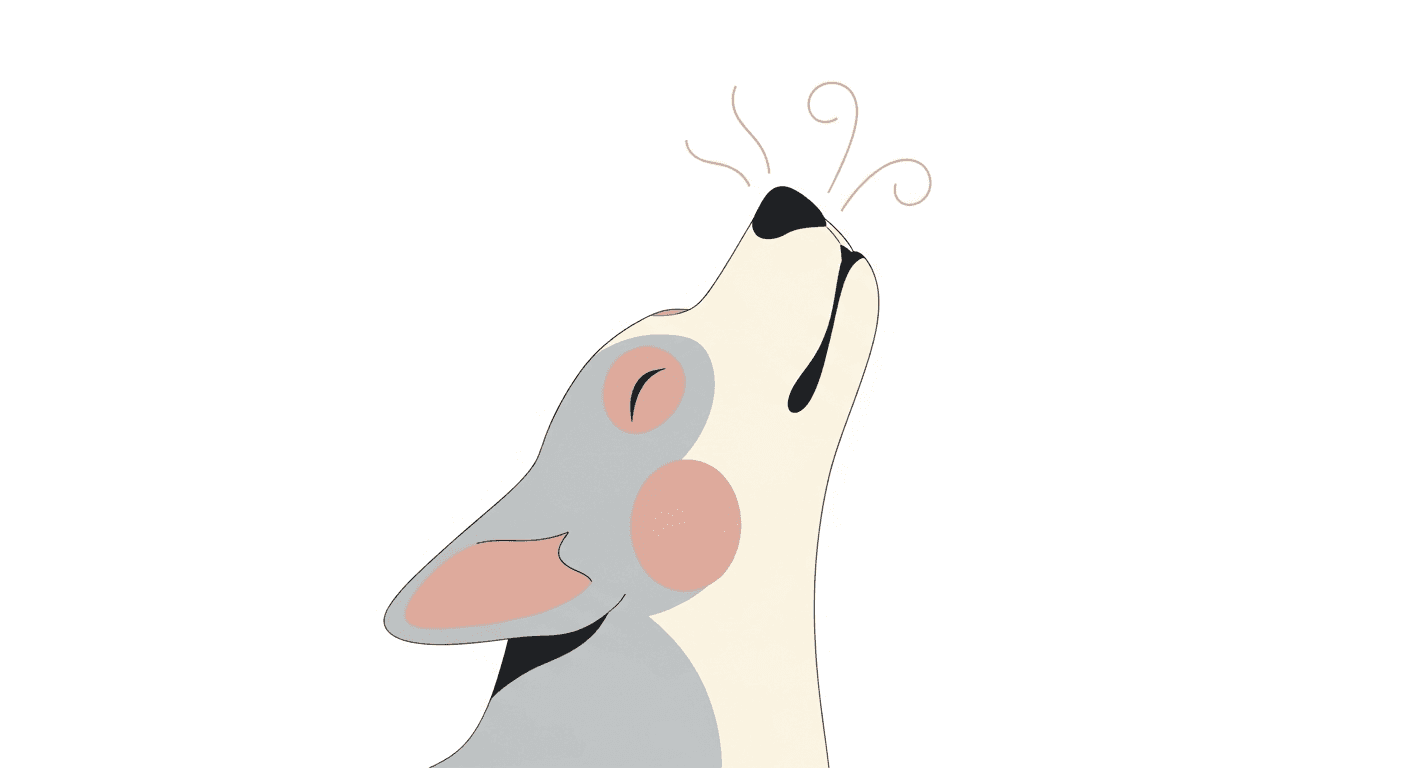
What Is Dog Reverse Sneezing?
Reverse sneezing — technically called paroxysmal respiration — is one of those things that terrifies first-time dog owners when they see it. Your dog suddenly extends their neck, stands still, and makes a snorting, honking, gasping sound like they're inhaling a sneeze. Their eyes may bulge slightly. The whole thing lasts 15–30 seconds and then stops as suddenly as it started. Despite looking alarming, reverse sneezing is almost always completely harmless. It's caused by a spasm of the soft palate and throat muscles, usually triggered by irritants, excitement, eating too fast, or a postnasal drip.
First 3 Steps You Can Take at Home
- Stay calm — your panic makes it worse: Dogs pick up on owner anxiety. Your first job during a reverse sneezing episode is to stay calm and not rush toward your dog looking panicked. Speak in a low, calm voice. The episode will almost always resolve on its own within 30 seconds. Staying calm helps your dog stay calm, which often shortens the episode.
- Try these gentle interventions to stop the episode: Gently cover one or both nostrils with your fingers for a second or two to encourage swallowing. Massaging the throat gently, offering a small sip of water, or briefly distracting your dog with a treat or toy can also interrupt the spasm. Some owners find that gently blowing a small puff of air toward the dog's face briefly triggers a regular sneeze that resets everything.
- Identify and remove triggers: Common triggers include: allergens or strong smells (perfume, cleaning products, smoke), pulling on a collar (switch to a harness), eating or drinking too quickly, excitement, dust, or seasonal pollen. If your dog is prone to episodes, think about whether any of these apply. Removing the trigger is the most effective long-term prevention.
When to Go to the Vet Immediately
- Episodes lasting longer than 1–2 minutes or occurring every few minutes
- Discharge from the nose alongside the episodes
- Coughing or breathing difficulty between episodes
- Sudden increase in frequency if this is an established pattern
- A new onset in an older dog with no previous history — rule out nasal polyps or masses
Follow-Up Care Checklist
- ☐ Switch to a harness rather than a neck collar if pulling triggers episodes
- ☐ Reduce strong scents in the home — avoid air fresheners, candles, harsh cleaners near the dog
- ☐ Note frequency: once a month is very different from five times per day
- ☐ Video an episode on your phone — it's much easier to explain when the vet can see it
- ☐ Discuss seasonal antihistamines with your vet if episodes correlate with pollen season
📋 Log This With TailRounds
Log reverse sneezing episodes with timing, duration, and suspected triggers in the TailRounds daily log. A clear frequency pattern helps your vet distinguish benign episodes from a worsening condition.
Start Free →Book a Vet Appointment
If reverse sneezing is happening multiple times a day or is getting worse over time, it's worth having your vet take a look. Very occasionally, nasal polyps, mites in the nasal passage, or dental disease affecting the nasal passage can cause reverse sneezing as a secondary symptom. Book an appointment at Happy Paws Veterinary Clinic — same-week slots are usually available.
Summary for Your Clinic
Pet concern: Dog Reverse Sneezing
Frequency: Approximately [X times per day/week], duration of each episode [seconds]
Identified triggers: [collar pulling / smells / excitement / seasonal]
Duration of pattern: Has been happening for [X months]
Questions for vet: Is this frequency normal? Should we check for nasal polyps or mites?
Related Articles
Continue Reading
 🐕 Dog Health
Dog Sneezing a Lot: Causes and Care
Frequent sneezing in dogs — what causes it, when it's harmless, and which symptoms mean you should call the vet.
 🐕 Dog Health
Dog Coughing: Kennel Cough or Something Else?
How to tell if your dog's cough is kennel cough, heart disease, or something more serious. Home care steps and when to go to the vet.
 🐕 Dog Health
Dog Shaking and Trembling: When Is It Serious?
From cold to pain to toxins — why dogs shake and tremble, and how to know when it's a medical emergency vs. normal behavior.