
Breed Overview
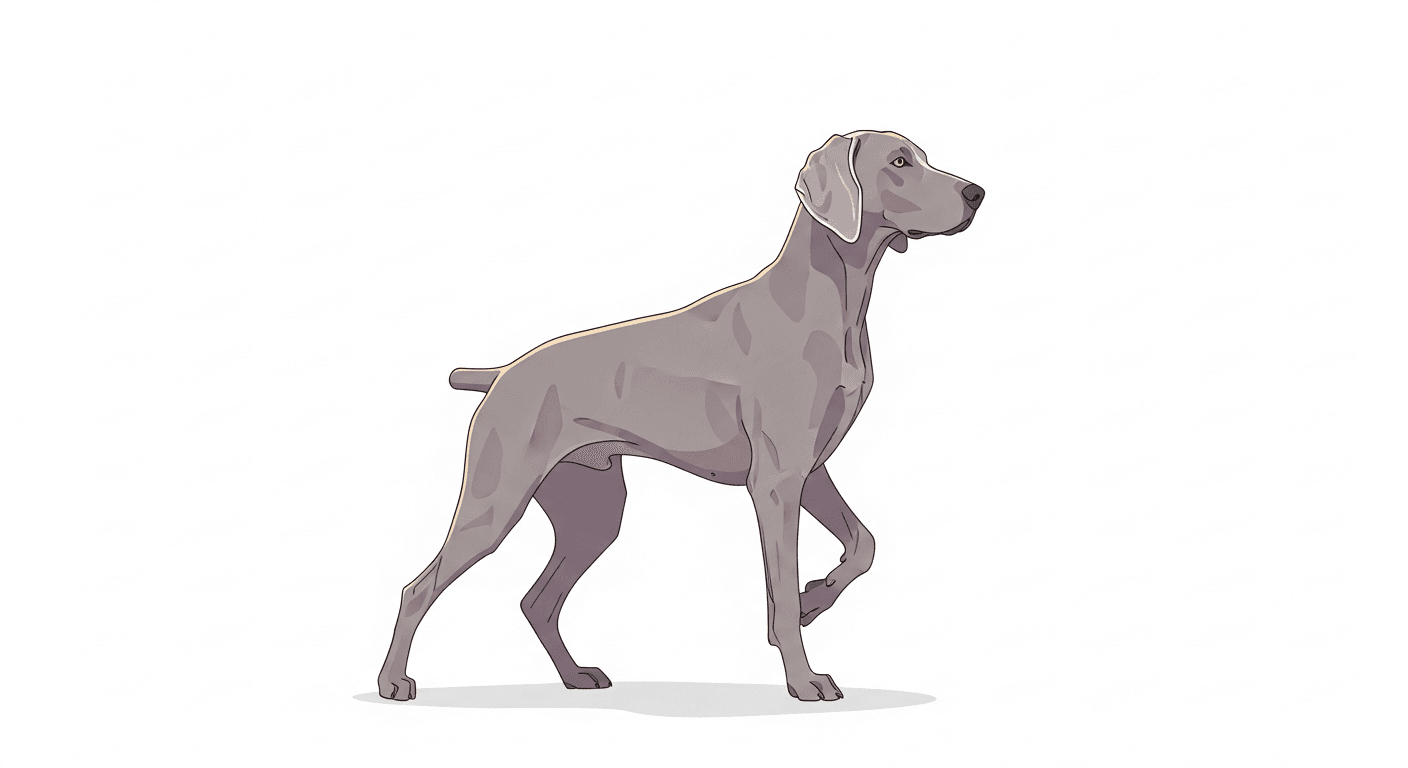
The Weimaraner, known as the "Silver Ghost" for its distinctive blue-gray or silver-gray coat, is one of the most visually striking dog breeds in existence. Developed in Weimar, Germany in the early 19th century by Grand Duke Karl August and his hunting circle, Weimaraners were originally bred as large game hunters — tracking and confronting boar, bear, and deer before being repurposed as versatile bird dogs as large game became scarcer in Europe. The breed came to the United States in 1929 and was popularized in part by photographer William Wegman, whose artistic portraits of Weimaraners in human clothing became iconic images.
Weimaraners are medium-to-large dogs, with males standing 25–27 inches and weighing 70–90 pounds; females 23–25 inches and 55–75 pounds. Their short, smooth, mouse-gray coat and unusual amber, blue-gray, or blue eyes give them an otherworldly, elegant appearance. Their coat also comes in a rare longhaired variety.
Temperament and Personality
Weimaraners are intense, intelligent, and deeply people-oriented — qualities that make them both wonderful companions and challenging pets for the unprepared:
- Highly people-bonded: Weimaraners are sometimes described as "Velcro dogs" — they want to be wherever their person is, at all times. This closeness is endearing until it manifests as severe separation anxiety.
- Energetic and driven: Their hunting heritage produced a dog of extraordinary stamina and drive. They need significant daily exercise to remain mentally and physically balanced.
- Intelligent: Quick to learn but also quick to find creative solutions to problems — including opening doors, unlatching gates, and raiding refrigerators.
- Prey drive: Strong prey drive means they may not be safe with small animals including cats. Secure leash walking and fenced containment are essential.
- Friendly but assertive: Generally friendly with people, but can be dominant with other dogs. Early socialization and consistent leadership are important.
Care Needs
- Grooming: Their short coat is very low maintenance — weekly brushing with a rubber mitt and occasional bathing are sufficient. They shed moderately.
- Containment: Weimaraners are escape artists that can clear fences, open doors, and solve containment puzzles with unsettling competence. Six-foot secure fencing is the minimum, and supervision is advised.
- Separation anxiety management: This breed is genuinely not suited to owners who are away from home for extended periods without dog care arrangements. Crate training, gradual desensitization to departures, and appropriate enrichment when alone are critical. Many Weimaraner owners work from home or arrange dog walkers and daycare specifically to manage this.
- Training: Begin obedience training early with positive reinforcement. Weimaraners respond beautifully to clear, consistent leadership. Dog sports — field work, agility, tracking, and obedience trials — provide excellent outlets for their intelligence and drive.
Health Risks and Common Conditions
- Bloat (GDV): Weimaraners are at significant risk for this life-threatening condition. Feed two smaller meals daily, avoid vigorous exercise immediately post-feeding, and consider prophylactic gastropexy during any planned abdominal surgery. Know the emergency signs.
- Hip dysplasia: Present in the breed. OFA certification of breeding stock is important.
- Immune-mediated conditions: Weimaraners have an elevated prevalence of immune-mediated diseases including immune-mediated thrombocytopenia (low platelets) and inflammatory bowel disease.
- Hypothyroidism: Seen in middle-aged Weimaraners; signs include weight gain and coat changes.
- Mast cell tumors: Weimaraners have an elevated risk of this form of skin cancer compared to many breeds.
- Entropion: Inward rolling of the eyelid is seen in some Weimaraners and may require surgical correction.
Track appetite, gait, and abdominal appearance with the TailRounds Daily Log. Bloat is an emergency — know the nearest emergency clinic. For routine care, book a vet appointment at Happy Paws or find a clinic near you.
Exercise Needs
Weimaraners are high-energy dogs needing 90 minutes or more of vigorous daily exercise. They excel at:
- Running and cycling with their owners
- Field hunting and bird work
- Agility, tracking, and obedience sports
- Swimming
Is a Weimaraner Right for You?
The Weimaraner is perfect for active, home-present owners who enjoy outdoor activities and can commit to daily vigorous exercise and structured training. Their separation anxiety and extreme people-orientation make them poor choices for owners who spend long days away from home. For active hunters, outdoor enthusiasts, and experienced dog owners who want an intensely loyal, capable, and strikingly beautiful companion, the Weimaraner is a magnificent breed.
Continue Reading
 🐶 Dog Breeds
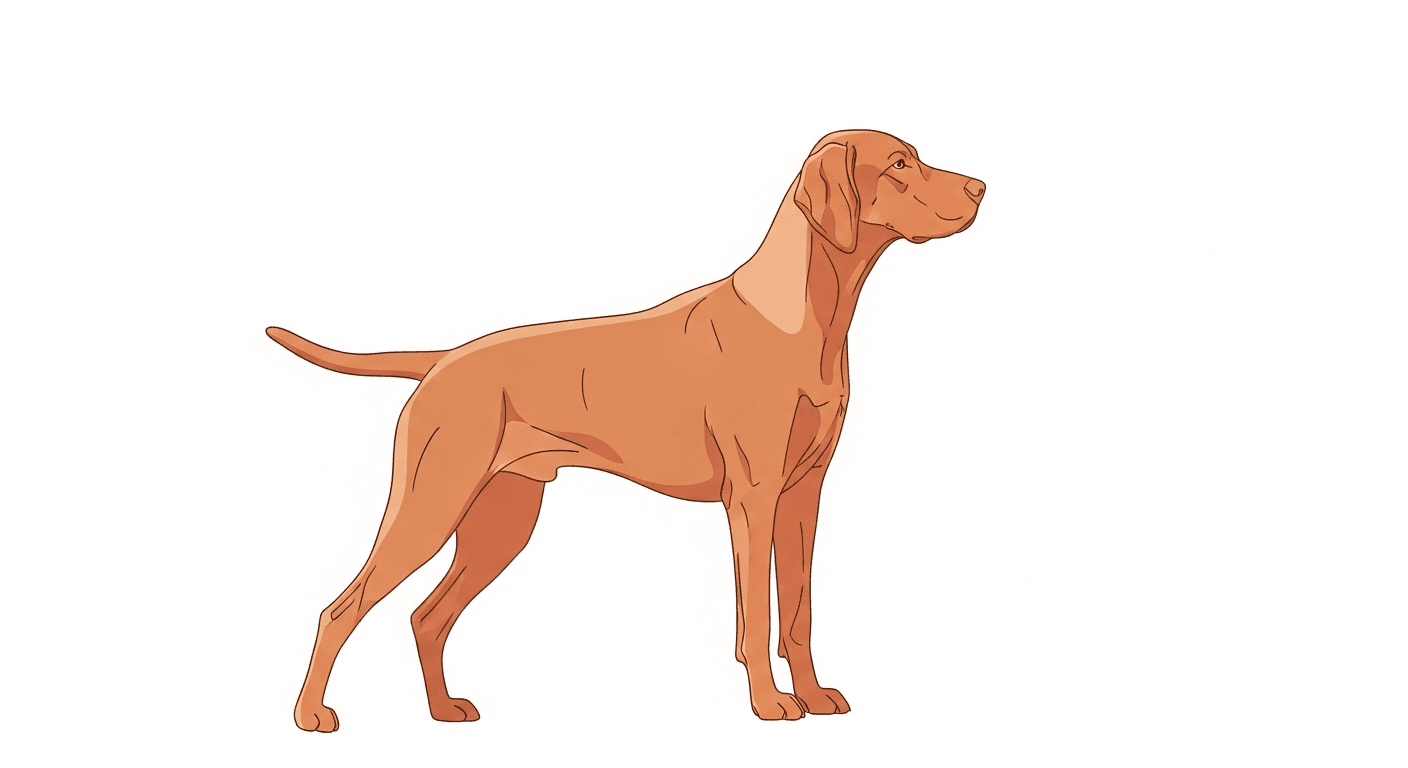
Vizsla: Hungary's Velcro Dog — Gentle, Athletic, and Devoted
A complete guide to the Vizsla — Hungary's golden pointer. Learn about their affectionate personality, high exercise demands, sensitive temperament, health profile, and life with this rare breed.
 🐶 Dog Breeds
Dalmatian: The Spotted Coach Dog With Surprising Care Demands
A complete guide to the Dalmatian — famous spotted coat, energetic personality, unique uric acid metabolism, deafness risks, and what living with a Dalmatian truly requires.
 🐶 Dog Breeds
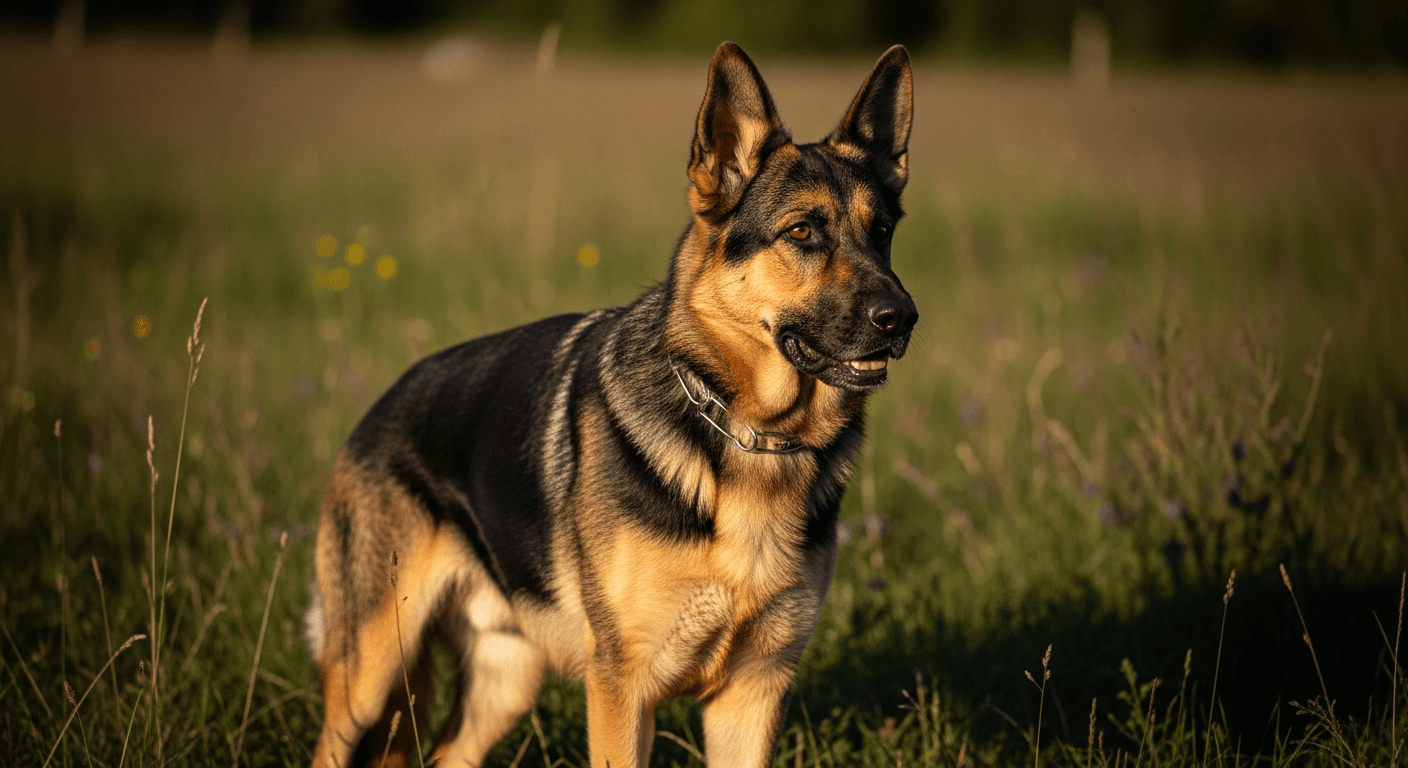
German Shepherd: The Ultimate Guide to This Loyal Working Breed
Discover everything about German Shepherds — their intelligence, loyalty, care requirements, health concerns, and whether this iconic breed is right for your home.