
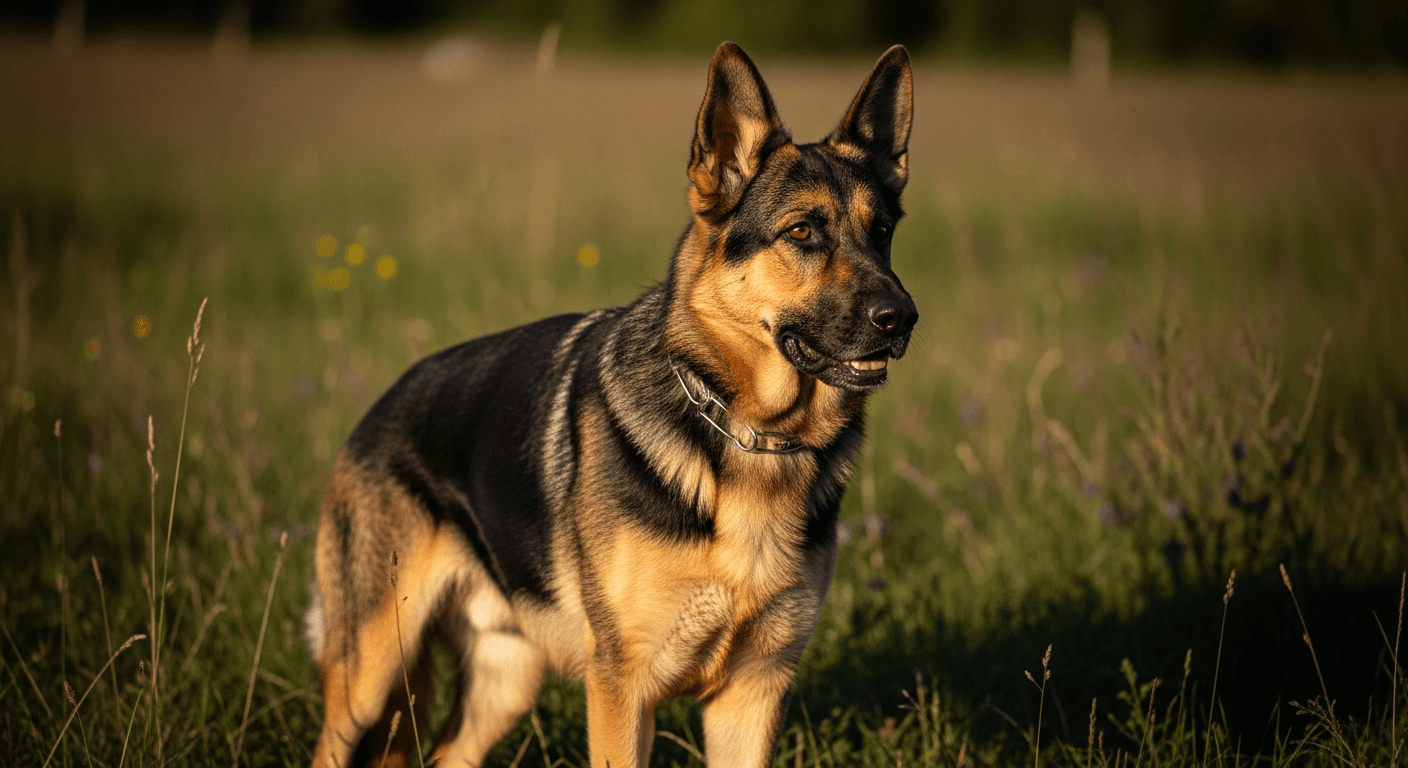
Breed Overview
The German Shepherd Dog (GSD) is one of the most recognizable and widely respected dog breeds in the world. Developed in Germany in the late 19th century by Captain Max von Stephanitz, the breed was purpose-built as a herding and working dog combining intelligence, athleticism, loyalty, and a strong work ethic. Today, German Shepherds serve as police dogs, military working dogs, search-and-rescue specialists, guide dogs, service animals, and devoted family companions.
Males stand 24–26 inches at the shoulder and weigh 65–90 pounds. Females are 22–24 inches and 50–70 pounds. The classic GSD has a double coat — a dense outer coat paired with a thick undercoat — in the familiar black and tan pattern, though solid black, sable, and bi-color variations also exist. Their alert, upright ears and confident posture give them an unmistakably regal appearance.
No breed demands more from its owner in terms of mental stimulation and leadership. German Shepherds are not passive companions; they are partners who thrive when given a job to do and a clear sense of purpose.
Temperament and Personality
The German Shepherd's personality is best described as confident, loyal, and discerning. Unlike the universally friendly Labrador, a GSD reserves its warmth primarily for its family, approaching strangers with measured aloofness rather than open enthusiasm. Key traits include:
- Exceptional intelligence: Ranked third in Stanley Coren's intelligence rankings, GSDs learn new commands in fewer than five repetitions and obey them at a 95% success rate or better.
- Unwavering loyalty: A German Shepherd bonds deeply with its family and will go to extraordinary lengths to protect those it loves.
- Protective instincts: Their natural protective nature makes them excellent guard dogs, but requires careful management and socialization to prevent over-guarding or fear-based reactivity.
- Courageous and self-assured: Well-bred GSDs are neither shy nor aggressive but possess a steady, confident temperament that allows them to assess situations rather than react impulsively.
- Highly driven: They have significant prey drive and work drive, which can be channeled into sports and training but requires management in everyday settings.
Without adequate mental and physical stimulation, German Shepherds become anxious, destructive, and potentially problematic. This is a breed that needs engagement, not just a yard to roam.
Care Needs
German Shepherds are high-maintenance in terms of time and engagement, though moderate in grooming requirements:
- Grooming: Their double coat sheds continuously and dramatically twice a year. Brush three to four times per week (daily during shedding season) with a slicker brush and deshedding tool. Bathe every six to eight weeks. Check and clean ears weekly.
- Training: Early and ongoing obedience training is non-negotiable. Enroll in puppy classes as soon as vaccinations allow, and continue with advanced obedience, protection sports (Schutzhund/IPO), tracking, or agility. A GSD with no training is an accident waiting to happen.
- Socialization: Expose puppies to a wide variety of people, environments, sounds, and other animals during the critical socialization window (3–14 weeks). Poorly socialized GSDs become fearful and reactive.
- Mental enrichment: Puzzle feeders, scent work, structured obedience sessions, and interactive play fulfill their cognitive needs. At minimum, provide 30 minutes of deliberate mental engagement daily in addition to physical exercise.
Health Risks and Common Conditions
German Shepherds face a number of breed-specific health challenges that conscientious owners must anticipate:
- Hip and elbow dysplasia: The GSD is disproportionately affected by hip dysplasia. OFA certification of both parents is the baseline requirement when purchasing from a breeder. Weight management and controlled exercise in puppies are essential preventive measures.
- Degenerative Myelopathy (DM): A progressive neurological disease affecting the spinal cord, leading to hind-limb weakness and eventual paralysis. A DNA test identifies carriers. There is no cure, but physical therapy can slow progression.
- Bloat (Gastric Dilatation-Volvulus): Deep-chested breeds like the GSD are at elevated risk of GDV, a life-threatening emergency in which the stomach fills with gas and twists. Feed two to three small meals daily rather than one large meal, and avoid vigorous exercise immediately after eating.
- Exocrine Pancreatic Insufficiency (EPI): The pancreas fails to produce adequate digestive enzymes, causing malnutrition despite normal eating. Manageable with enzyme supplementation.
- Perianal Fistulas: Chronic inflammatory lesions around the anus are more common in GSDs than any other breed and can be painful and difficult to treat.
Use the TailRounds Daily Log to track gait changes, appetite shifts, and digestive patterns that may signal early-stage conditions. Book a vet appointment at Happy Paws for bi-annual check-ups, and find a clinic with GSD experience in your area.
Exercise Needs
German Shepherds need at least 90 minutes of vigorous exercise daily, split across two or more sessions. Suitable activities include:
- Off-leash running in a secure area
- Structured obedience and agility work
- Scent tracking and nose work
- Hiking and trail running
- Frisbee, fetch, and tug-of-war
- Swimming
Is a German Shepherd Right for You?
The German Shepherd is a magnificent breed but a serious commitment. They are ideally suited to active, experienced dog owners who can provide firm, consistent training, extensive daily exercise, rich mental stimulation, and strong leadership. They thrive in homes where they are included in family activities and given a clear role. They are not suitable for owners who work extremely long hours without dog care arrangements, live in tiny spaces, or are unwilling to invest time in ongoing training. For the right owner, a German Shepherd is an incomparable companion — loyal, capable, and deeply connected to the people they love.
Continue Reading
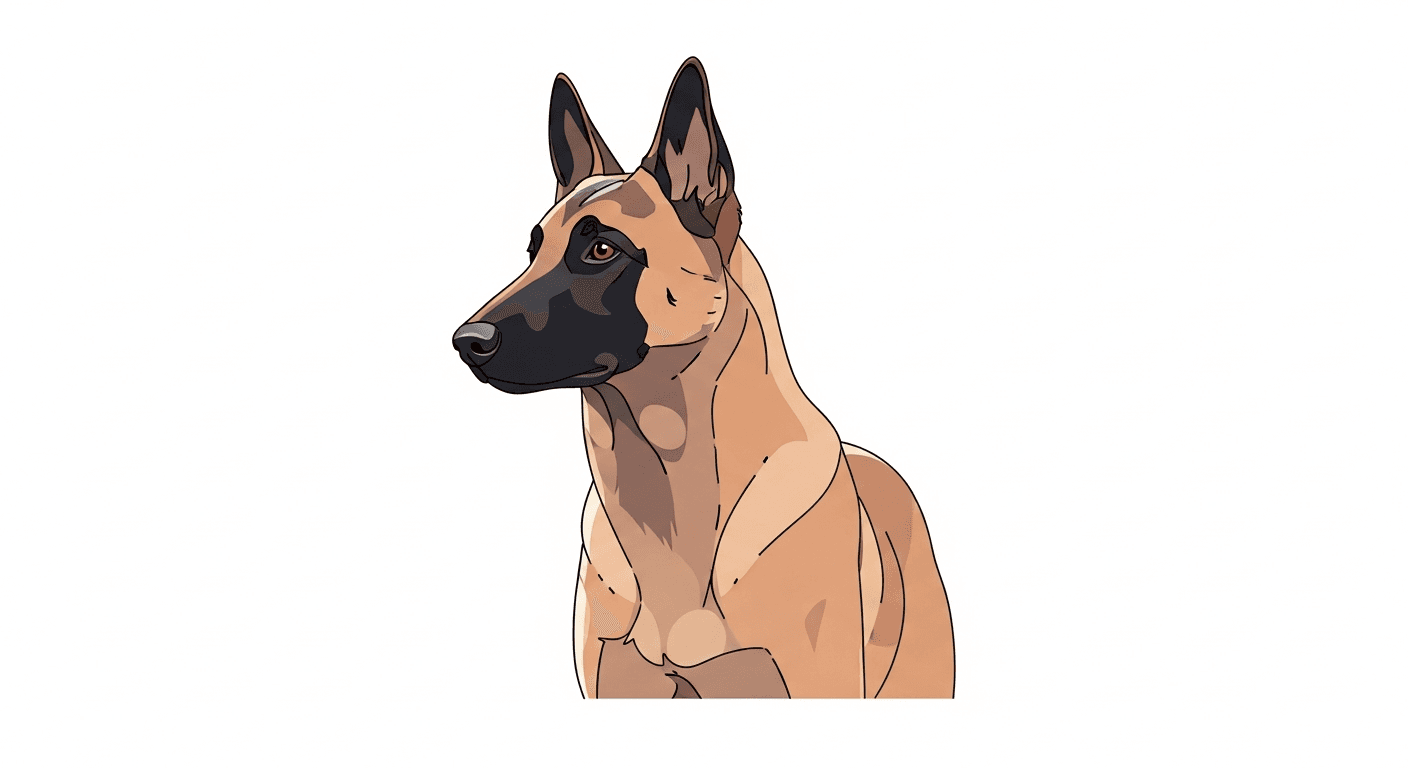 🐶 Dog Breeds
Belgian Malinois: The World's Premier Working Dog — Not Just a Pet
A complete guide to the Belgian Malinois — the elite working dog used by military and police worldwide. Learn about their extreme drive, training demands, health profile, and suitability as a pet.
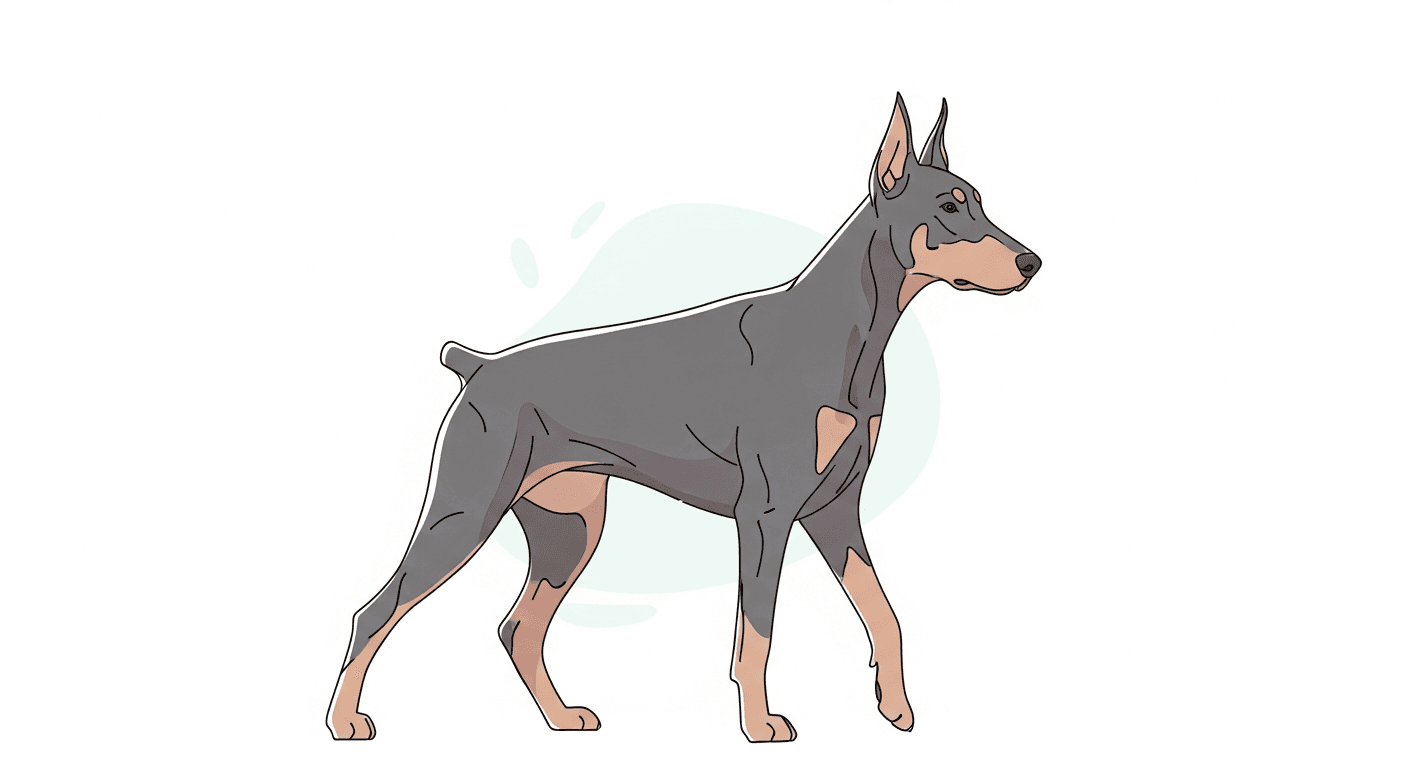 🐶 Dog Breeds
Doberman Pinscher: The Elegant Guardian's Complete Breed Guide
A full guide to the Doberman Pinscher — intelligence, loyalty, health concerns including DCM, training requirements, and what makes this breed an extraordinary companion.
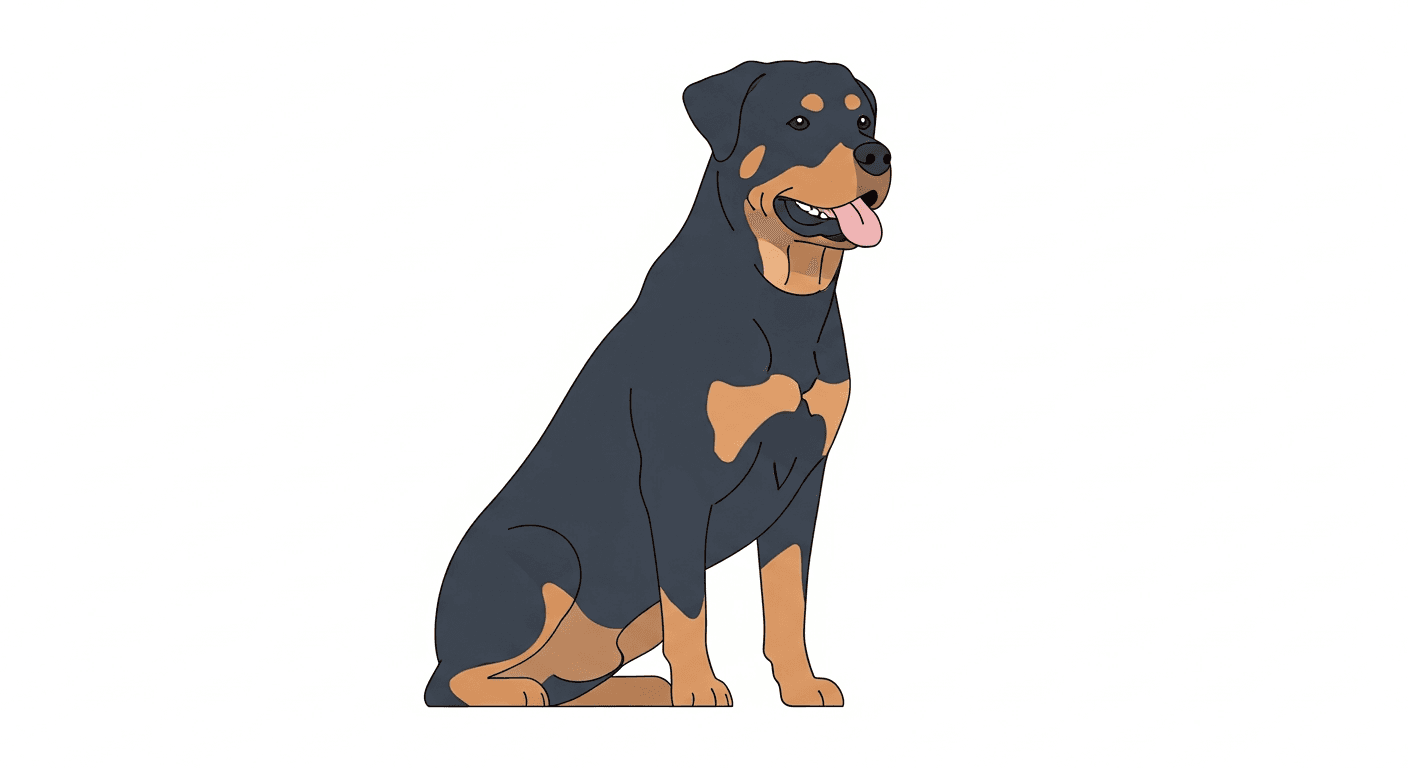 🐶 Dog Breeds
Rottweiler: Power, Loyalty, and What Responsible Ownership Looks Like
A comprehensive guide to the Rottweiler — temperament, training needs, health risks, exercise requirements, and the truth about owning this misunderstood breed.