
Breed Overview
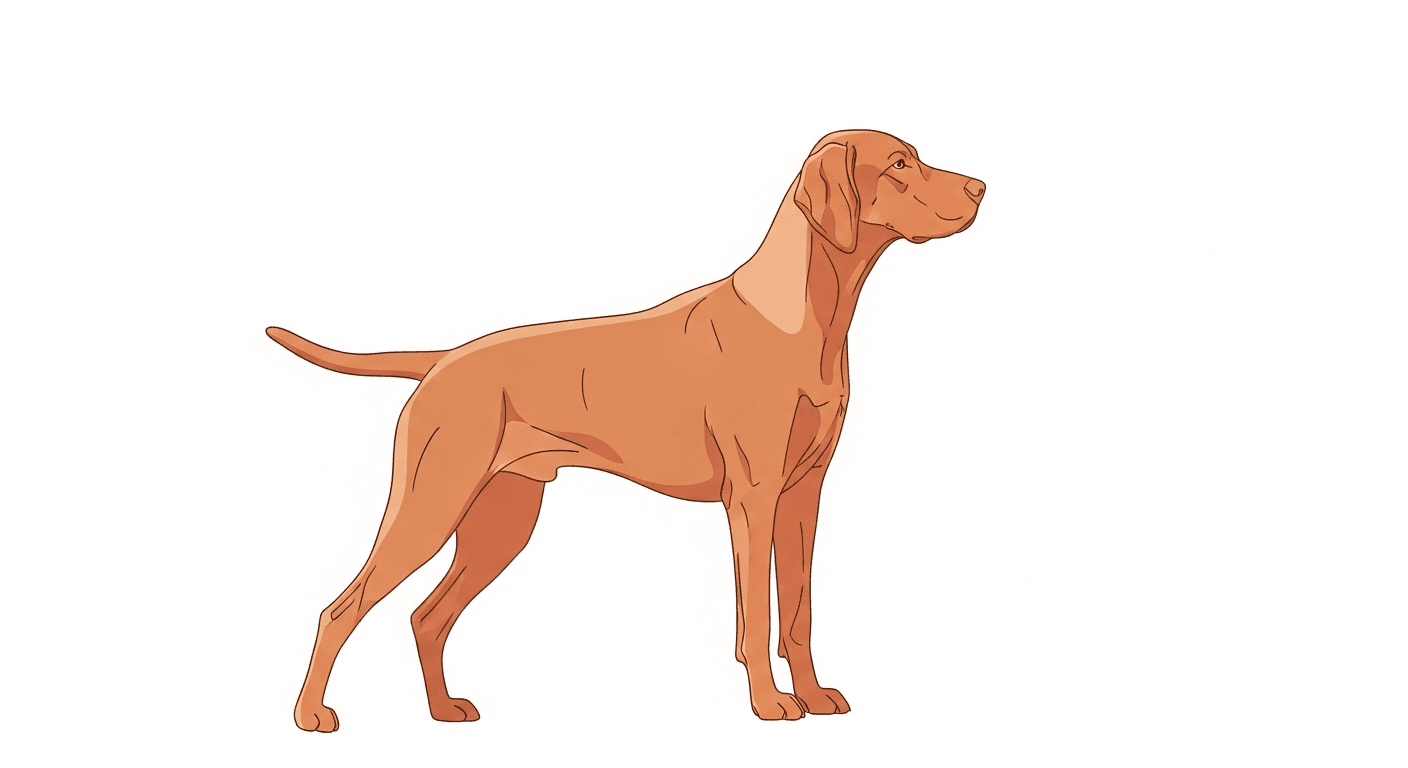
The Vizsla is Hungary's national dog — a breed of exceptional elegance, versatility, and affection developed by Hungarian nobles over centuries as a hunting companion for retrieving and pointing upland birds. The breed nearly became extinct twice: first during the two World Wars, and again during the Soviet occupation of Hungary when owning hunting dogs became dangerous for nobles and the dogs were largely destroyed. Dedicated breeders smuggled dogs out of Hungary, preserving the breed. The AKC recognized the Vizsla in 1960. They remain relatively rare outside of Europe and Hungary, which makes them a special discovery for those who encounter them.
Vizslas are medium-sized dogs, with males standing 22–24 inches and weighing 55–60 pounds; females 21–23 inches and 44–55 pounds. Their most distinctive feature is their uniform golden-rust coat — described as the color of autumn leaves — that covers their entire body with no white markings allowed by the AKC standard. Their amber or brown eyes match their coat almost perfectly, giving them a monochromatic golden appearance. A Wirehaired Vizsla variety also exists, with a somewhat different coat but similar personality.
Temperament and Personality
The Vizsla is often called Hungary's "Velcro dog" — a reference to their extraordinary desire to be physically close to their owners at all times. Their personality combines gentle sensitivity with high energy and athletic drive:
- Profoundly affectionate: Vizslas crave physical contact with their people to a degree unusual even among companion breeds. They lean against their owners, sleep in their beds, and become visibly anxious when separated.
- Gentle and sensitive: Harsh correction, a tense household, or rough handling seriously distresses a Vizsla. They respond to gentle, positive training and thrive in calm, loving environments.
- Energetic and athletic: Their hunting heritage means they have significant stamina and drive. They require substantial daily exercise to remain physically and emotionally balanced.
- Intelligent: Vizslas learn quickly and enjoy structured training and dog sports. They are highly trainable in the right hands.
- Good with children and other dogs: Generally excellent family dogs when well-socialized. Their gentle nature suits family life well.
Care Needs
- Grooming: The smooth-coated Vizsla is extremely low-maintenance. Weekly brushing with a rubber mitt and occasional bathing are all that is required. They shed minimally and have little body odor.
- Human contact: Unlike independent breeds, Vizslas genuinely need close human contact. They should not be left alone for extended periods. Owners who work long hours need dog care arrangements — daycare, dog walkers, or the company of another dog.
- Training: Begin positive reinforcement training early. Vizslas excel at hunting, agility, obedience, tracking, flyball, and dock diving. Their eagerness to please makes training enjoyable when done correctly. Harsh methods make them shut down and lose confidence.
- Separation anxiety prevention: Begin crate training and gradual departure conditioning from puppyhood. Do not allow a Vizsla to become entirely dependent on constant contact — this sets up severe separation anxiety.
Health Risks and Common Conditions
The Vizsla is a relatively healthy breed with fewer hereditary conditions than many popular breeds, which is partly a consequence of careful breeding in a small gene pool:
- Hip dysplasia: Present in the breed. OFA certification of breeding stock is important.
- Progressive Retinal Atrophy: A hereditary eye disease causing vision loss. DNA testing available.
- Epilepsy: Idiopathic epilepsy has a higher prevalence in Vizslas than many breeds.
- Sebaceous Adenitis: An inflammatory skin disease seen in Vizslas causing hair loss and skin scaling.
- Lymphoma: Vizslas appear to have an elevated risk of lymphoma compared to many breeds.
- Hypothyroidism: Seen in middle-aged Vizslas.
- Inflammatory bowel disease: Chronic gastrointestinal inflammation causing vomiting and weight loss is seen with some frequency.
Annual wellness exams and bloodwork are important for monitoring Vizsla health as they age. Use the TailRounds Daily Log to track any changes in appetite, coat, or energy. Book a vet appointment at Happy Paws for regular care or find a clinic familiar with sporting breeds near you.
Exercise Needs
Vizslas need 90 minutes or more of vigorous daily exercise. They are built for endurance and thrive when given meaningful physical challenges:
- Running and hiking with their owner
- Field work and bird hunting
- Agility, tracking, and dock diving
- Swimming
- Canicross
Is a Vizsla Right for You?
The Vizsla is an outstanding choice for active owners who want a deeply affectionate, athletic, and gentle canine partner. Their low shedding and minimal grooming needs make them practical; their need for close human contact and extensive daily exercise means they suit active, home-present owners best. For the right owner who can match their energy, sensitivity, and need for closeness, a Vizsla is among the most rewarding and loving dogs in the world.
Continue Reading
 🐶 Dog Breeds
Weimaraner: The Silver Ghost — A Hunter's Dog at Heart
Everything about the Weimaraner — their distinctive silver coat, intense personality, separation anxiety tendencies, hunting drive, health profile, and what makes this breed both breathtaking and demanding.
 🐶 Dog Breeds
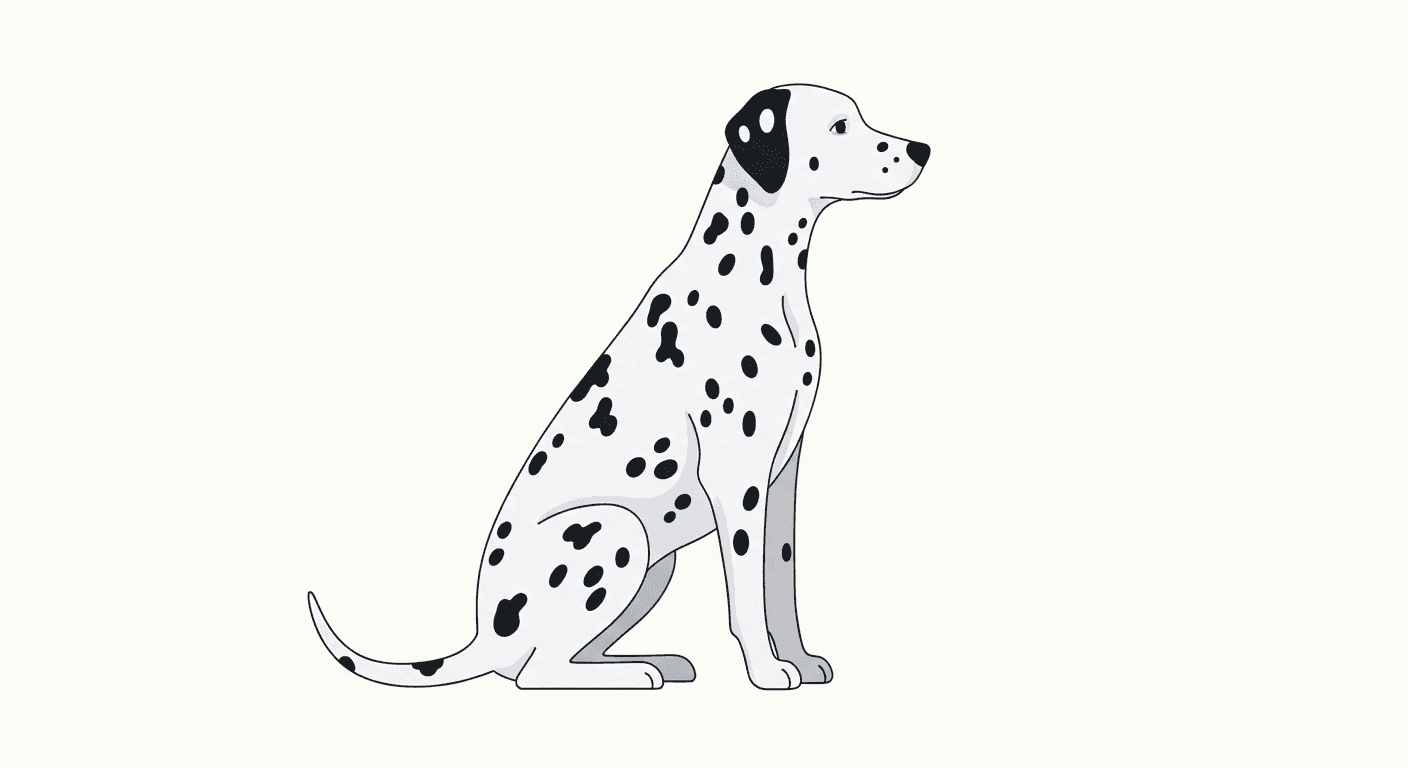
Dalmatian: The Spotted Coach Dog With Surprising Care Demands
A complete guide to the Dalmatian — famous spotted coat, energetic personality, unique uric acid metabolism, deafness risks, and what living with a Dalmatian truly requires.
 🐶 Dog Breeds
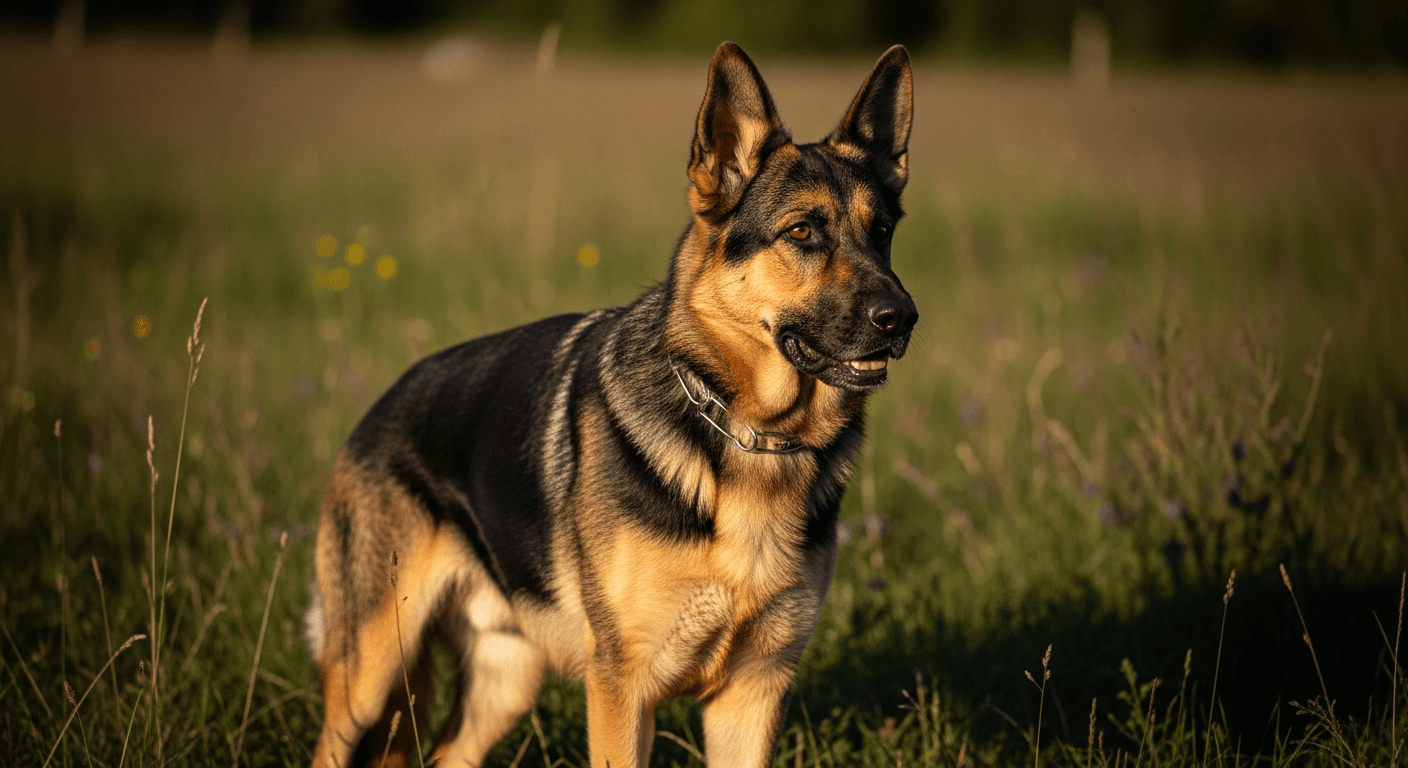
German Shepherd: The Ultimate Guide to This Loyal Working Breed
Discover everything about German Shepherds — their intelligence, loyalty, care requirements, health concerns, and whether this iconic breed is right for your home.