

Breed Overview
The Labrador Retriever has held the title of America's most popular dog breed for over three decades, and for very good reason. Originally from Newfoundland, Canada — not Labrador as the name suggests — these dogs were developed by fishermen to retrieve fish and waterfowl. Brought to England in the early 1800s, the breed was refined by British nobility into the versatile retriever we know today. The AKC officially recognized the breed in 1917.
Labs come in three recognized colors: black, yellow, and chocolate. They are medium-to-large dogs, with males weighing 65–80 pounds and females 55–70 pounds. Their short, dense, water-resistant coat, rudder-like tail, and webbed paws are telltale signs of their aquatic heritage. With their broad head, kind eyes, and perpetually wagging tail, Labs project an aura of warmth and enthusiasm that is hard to resist.
Beyond companionship, Labradors serve as guide dogs, search-and-rescue dogs, detection dogs for law enforcement, and therapy dogs. Their nose ranks among the keenest in the dog world, and their biddability — willingness to work with humans — is unmatched.
Temperament and Personality
Labrador Retrievers are renowned for their outgoing, even-tempered, and gentle nature. They are enthusiastic about nearly everything life has to offer and bring that same energy to every interaction. Notable traits include:
- Friendly with everyone: Labs rarely meet a stranger. They are sociable with people of all ages, other dogs, and even cats when properly introduced.
- Highly trainable: Labs consistently rank among the most trainable breeds. Their desire to please and their love of food make them exceptionally responsive to reward-based training.
- Mouthy as puppies: Retrieving breeds use their mouths to explore the world. Early bite inhibition training is essential to prevent problem mouthing in adulthood.
- Playful and exuberant: Labs remain puppy-like in energy and spirit until age three or four, sometimes beyond.
- Food-motivated: This breed's love of food borders on obsession, which is useful during training but requires careful calorie management to prevent obesity.
Labs are rarely aggressive and make poor guard dogs, though their size alone may deter some intruders. They are adaptable and handle busy family life remarkably well, as long as they receive sufficient exercise and mental engagement.
Care Needs
The Labrador is a relatively low-maintenance breed in terms of grooming, but demands significant investment in exercise and training:
- Grooming: Their short coat sheds moderately year-round and heavily twice a year. Weekly brushing with a rubber grooming mitt or deshedding tool manages loose fur. Bathe every six to eight weeks or as needed. Clean ears monthly and trim nails every three to four weeks.
- Nutrition: Feed measured portions of a high-quality food formulated for large, active breeds. Free-feeding a Lab is a recipe for obesity. Twice-daily meals and low-calorie treats are best practice.
- Training: Begin obedience training and socialization the day you bring your Lab home. Puppy classes, followed by intermediate and advanced obedience, channel the Lab's natural intelligence positively. Labs excel in rally, obedience trials, and field work.
- Chewing: Provide durable chew toys and rotate them regularly. An under-stimulated Lab will find their own entertainment — usually involving furniture or shoes.
Health Risks and Common Conditions
Labs are generally robust dogs, but certain hereditary and lifestyle-related health issues appear with regularity in the breed:
- Obesity: The number-one health threat to Labradors. Excess weight accelerates joint disease, contributes to diabetes, and reduces lifespan. A recent study found a genetic mutation in the POMC gene in many Labs that reduces the sensation of fullness — explaining their seemingly endless appetite.
- Hip and elbow dysplasia: Malformation of these joints leads to arthritis and chronic pain. Purchase from OFA-certified parents and maintain a lean body weight throughout the dog's life.
- Progressive Retinal Atrophy (PRA): A hereditary eye disease that progressively destroys the retina, leading to night blindness and eventually full vision loss. DNA testing can identify carriers.
- Exercise-Induced Collapse (EIC): Some Labs carry a gene mutation causing episodes of muscle weakness and collapse after intense exercise. A DNA test identifies affected and carrier dogs.
- Centronuclear Myopathy: A rare muscle disease present in some Labs from the time of birth. DNA testing is available.
Keep your Lab on a consistent wellness schedule and log daily observations with the TailRounds Daily Log. Early detection of weight gain, limping, or changes in vision can make a significant difference in outcomes. Book a vet appointment at Happy Paws or find a clinic in your area for regular check-ups.
Exercise Needs
Adult Labradors need a minimum of 60–90 minutes of vigorous physical activity daily. Under-exercised Labs are destructive, hyperactive, and prone to obesity. Excellent exercise options include:
- Swimming — Labs are natural swimmers and love water
- Fetch with a ball or dummy launcher
- Running or cycling alongside an adult dog
- Hiking on trails
- Structured dog sports: dock diving, flyball, agility, tracking
As with all large breeds, avoid repetitive high-impact activity on hard surfaces with puppies under 18 months, whose growth plates are still developing.
Is a Labrador Retriever Right for You?
The Labrador Retriever suits active families, individuals who enjoy outdoor activities, and those willing to commit to daily exercise. They are patient with children, get along well with other pets, and adapt reasonably well to different living situations provided they get adequate outdoor time. If you want a low-energy apartment dog or a breed that requires minimal grooming attention and little daily interaction, a Lab will not be a good fit. But for anyone ready to embrace an energetic, loving, and deeply loyal companion, the Labrador Retriever is arguably the most complete family dog on the planet.
Continue Reading
 🐶 Dog Breeds
Golden Retriever: The Complete Owner's Guide
Everything you need to know about Golden Retrievers — temperament, care, health risks, exercise needs, and whether this beloved breed fits your lifestyle.
 🐶 Dog Breeds
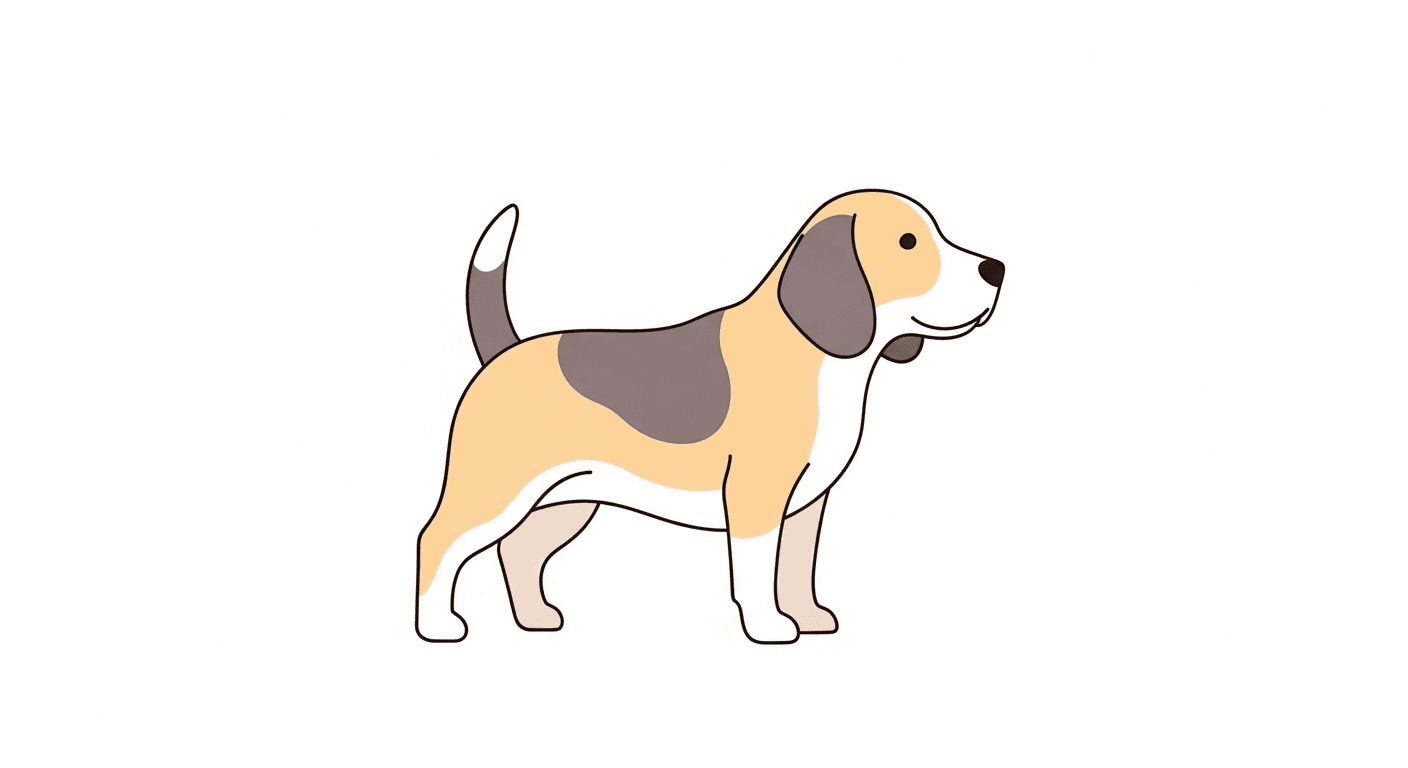
Beagle: The Cheerful Hound That Lives to Sniff
A complete Beagle breed guide covering their curious personality, scent-driven behavior, care needs, health risks, and whether this merry hound suits your home.
 🐶 Dog Breeds
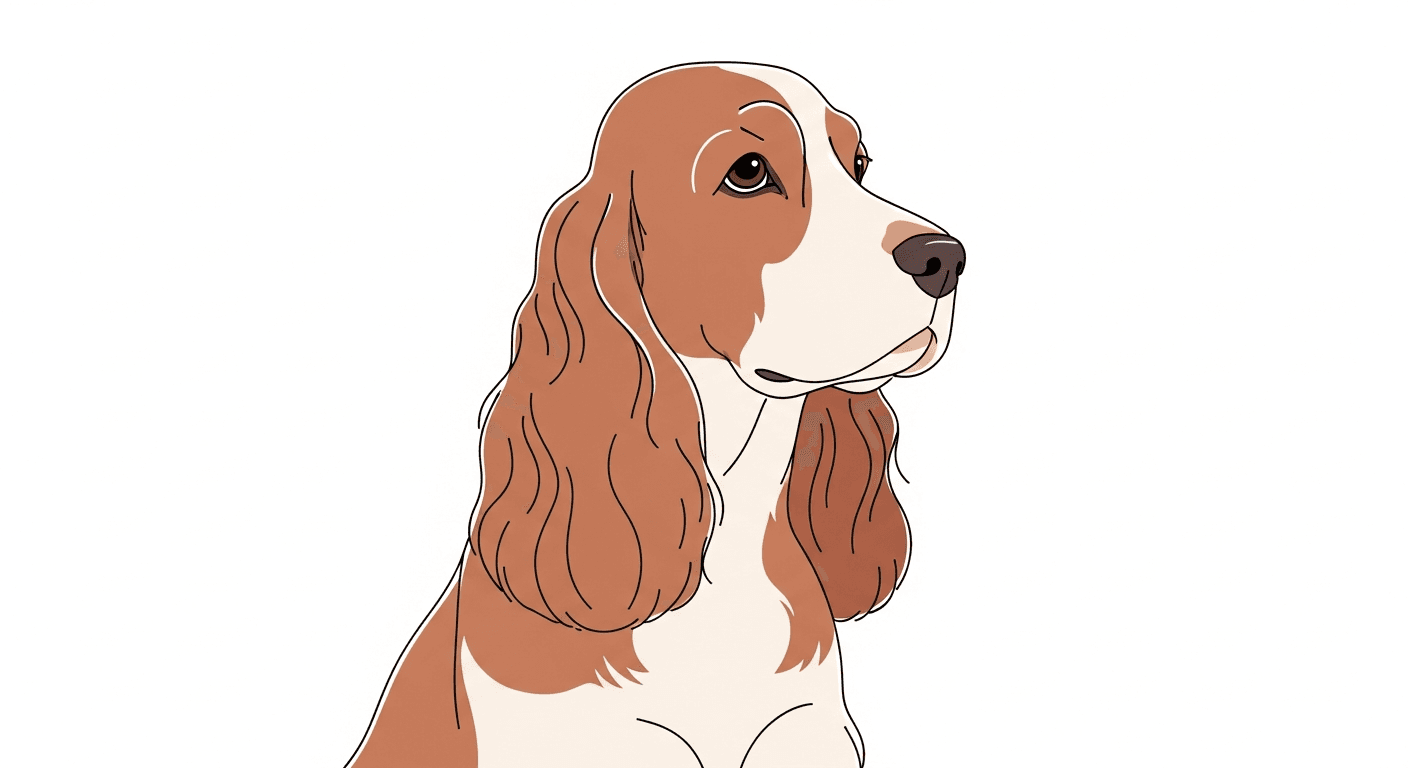
Cocker Spaniel: The Sweet, Silky-Eared Family Companion
Everything about the American Cocker Spaniel — gentle nature, ear care demands, health conditions, exercise needs, and why this beloved breed has won so many families over the decades.