
Breed Overview
The American Cocker Spaniel — developed from the English Cocker Spaniel brought to America in the 1800s — was once the most popular dog breed in the United States, holding the top spot for an extraordinary 16 consecutive years from 1936 to 1952. Its fame was cemented further by Disney's 1955 film "Lady and the Tramp," in which the beautiful Cocker Spaniel Lady became one of cinema's most iconic animal characters.
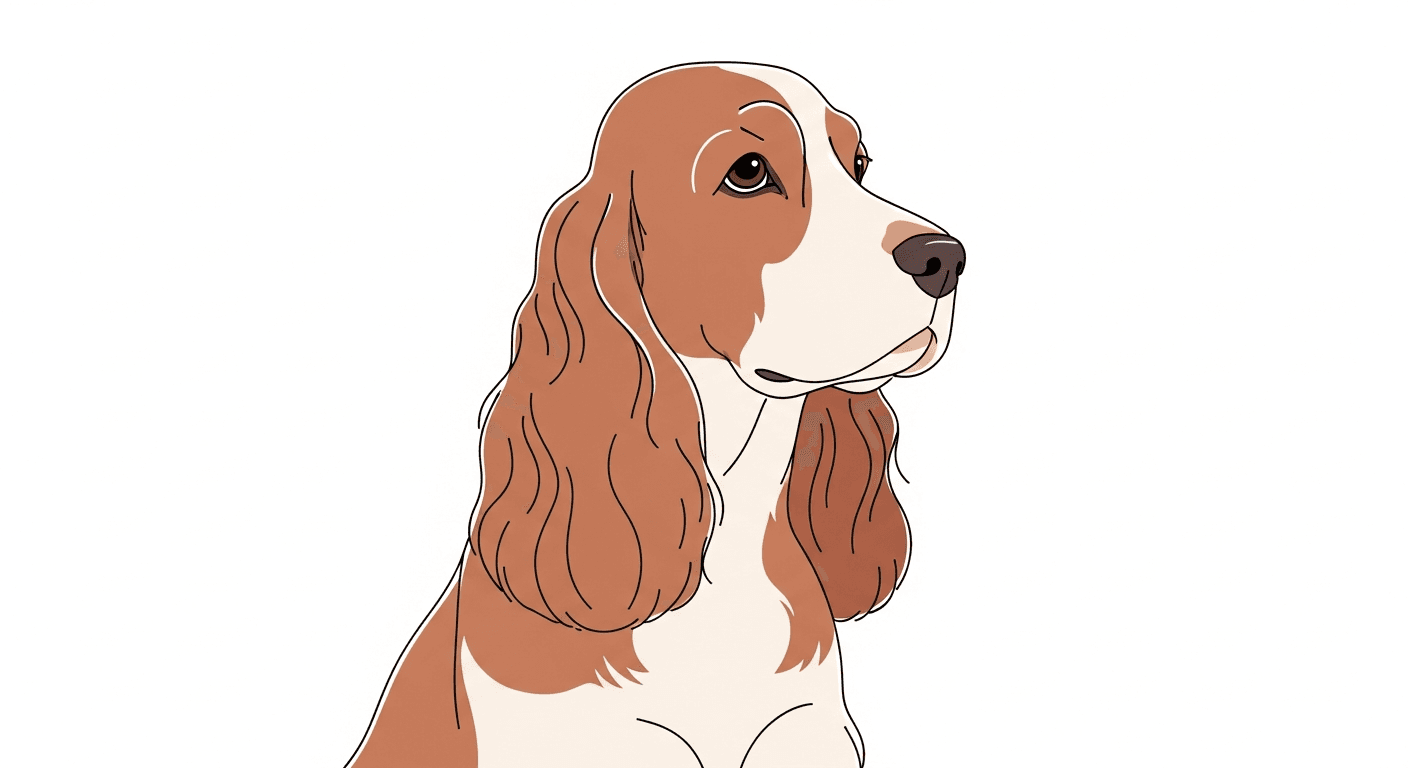
Cocker Spaniels are the smallest sporting dogs recognized by the AKC. They stand 13.5–15.5 inches at the shoulder and weigh 20–30 pounds. Their most distinctive features are their long, silky, abundantly wavy coat and extraordinarily long, pendulous ears. They come in a wide variety of colors including buff, black, chocolate, red, silver, and various parti-color combinations. Their large, dark, expressive eyes give them one of the most appealing faces in the dog world.
Temperament and Personality
Cocker Spaniels are gentle, merry, and affectionate dogs bred originally to flush and retrieve birds from the field. Their sporting heritage gives them energy and enthusiasm, while centuries as family companions have refined their gentle, people-oriented personality:
- Gentle and sweet: Cockers are known for their soft, gentle temperament. They are warm and affectionate with their families and are particularly good with children.
- Merry and playful: The AKC standard literally uses the word "merry" to describe the Cocker Spaniel's disposition — and it is apt. They are enthusiastic and joyful in approach to life.
- Sensitive: Cocker Spaniels are emotionally attuned and do not respond well to harsh training methods. Positive reinforcement exclusively is the right approach.
- Eager to please: They are biddable dogs that train relatively easily when motivated with praise and food rewards.
- Can be submissive: Some Cockers show submissive urination when excited or intimidated. This typically resolves with maturity and appropriate handling.
Care Needs
- Grooming: The Cocker Spaniel's silky coat is beautiful but demanding. Professional grooming every six to eight weeks is necessary to maintain a clean, tangle-free coat. Between appointments, brush two to three times per week and daily around the ears. Their ears particularly must be brushed to prevent mats, which can harbor debris and contribute to infections.
- Ear care: This is the most critical care component for Cocker Spaniels. Their long, dense, hair-covered ears restrict airflow into the ear canal, creating warm, moist, dark conditions ideal for bacterial and yeast growth. Clean ears weekly with a veterinarian-recommended ear cleaner. Never allow water to enter the ear canal during bathing. Chronic ear infections are the number-one health concern in this breed.
- Eye care: Their prominent eyes are prone to discharge and potential injury. Wipe the eye corners daily.
- Dental care: Brush teeth several times per week and schedule annual professional dental cleanings.
Health Risks and Common Conditions
- Chronic ear infections (otitis externa): By far the most common health problem in Cocker Spaniels. Without regular preventive cleaning, most Cockers develop painful, recurring ear infections. Left untreated, infections can spread to the middle ear and cause permanent hearing damage.
- Progressive Retinal Atrophy (PRA): A hereditary cause of vision loss. DNA testing identifies carriers. CAER ophthalmic exams of breeding stock are recommended.
- Cataracts: Both hereditary and acquired cataracts occur in Cocker Spaniels.
- Immune-mediated hemolytic anemia (IMHA): The immune system destroys red blood cells, causing severe anemia. Cocker Spaniels are more prone to IMHA than most breeds. Symptoms include pale gums, weakness, and rapid breathing.
- Hip dysplasia: Present in the breed; OFA certification of breeding stock is advisable.
- Seborrhea: Excessive skin oiliness leading to a greasy coat, odor, and skin infections. Primary seborrhea has a hereditary component in Cocker Spaniels.
- Dilated Cardiomyopathy: A heart muscle disease seen with some frequency in older Cocker Spaniels.
Weekly ear inspections are the single most important preventive action for Cocker owners. Record ear condition, coat appearance, and energy levels in the TailRounds Daily Log. Book a vet appointment at Happy Paws at the first sign of head shaking or ear odor. Find a clinic near you for regular wellness care.
Exercise Needs
Cocker Spaniels are moderately active sporting dogs needing about 45–60 minutes of daily exercise. They enjoy:
- Brisk leash walks
- Fetch and retrieving games
- Swimming (ensure ears are dried and cleaned afterward)
- Agility and obedience sports
Is a Cocker Spaniel Right for You?
Cocker Spaniels are wonderful family companions for those committed to regular ear care and professional grooming. They are gentle with children, adaptable to different living situations, and joyful companions. Their ear health demands consistent, weekly attention — neglect in this area almost guarantees chronic problems. For owners prepared to make ear care a weekly ritual and grooming a regular appointment, the Cocker Spaniel rewards them with decades of sweet, devoted, and merry companionship.
Continue Reading
 🐶 Dog Breeds
Cavalier King Charles Spaniel: Grace, Gentleness, and Heart Health Risks
A complete guide to the Cavalier King Charles Spaniel — their sweet nature, serious cardiac health concerns, care requirements, and why this regal breed captures every heart it meets.
 🐶 Dog Breeds
Golden Retriever: The Complete Owner's Guide
Everything you need to know about Golden Retrievers — temperament, care, health risks, exercise needs, and whether this beloved breed fits your lifestyle.
 🐶 Dog Breeds
Beagle: The Cheerful Hound That Lives to Sniff
A complete Beagle breed guide covering their curious personality, scent-driven behavior, care needs, health risks, and whether this merry hound suits your home.