
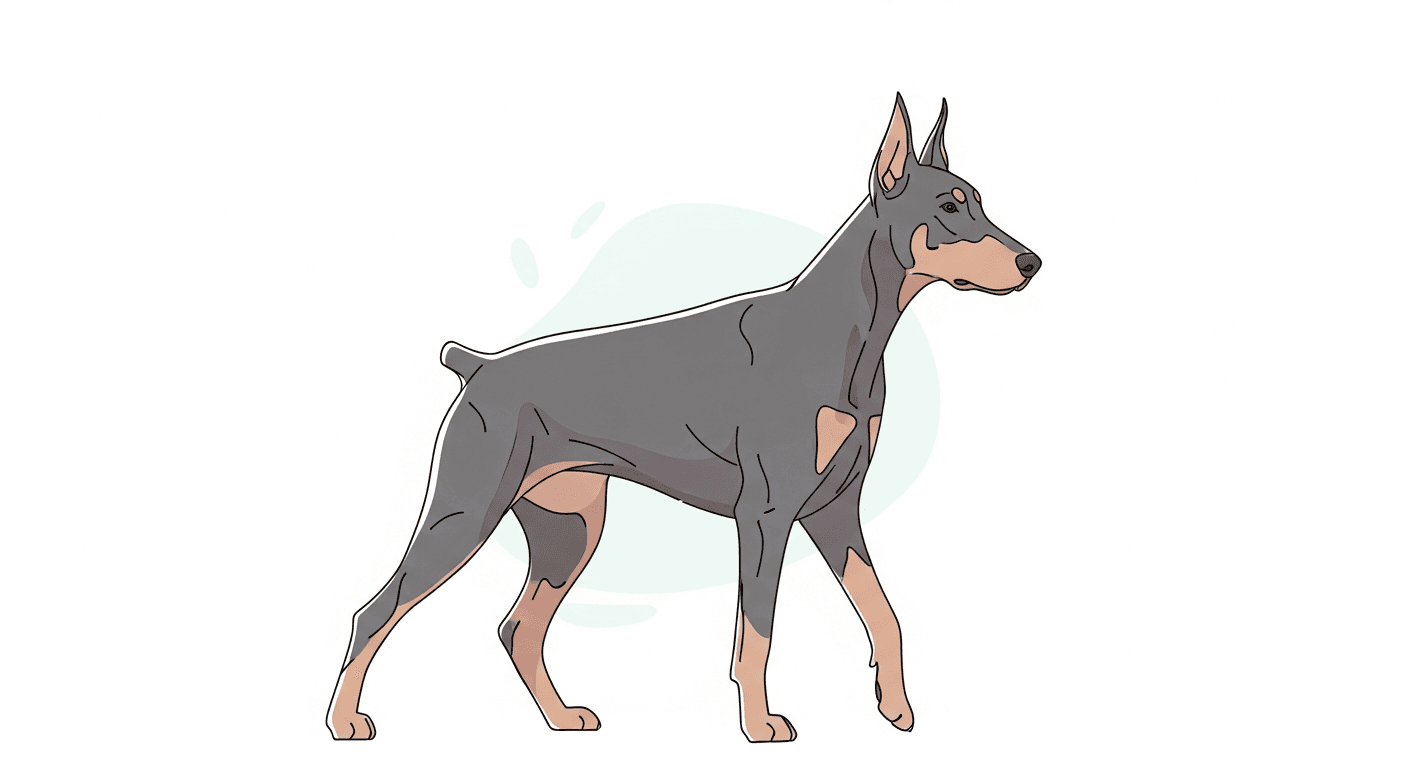
Breed Overview
The Doberman Pinscher was created by Karl Friedrich Louis Dobermann, a German tax collector who wanted a personal protection dog for his rounds through dangerous areas. Working in the 1880s in Apolda, Germany, he crossed several breeds — including the Rottweiler, German Pinscher, Weimaraner, and Greyhound — to produce a dog combining strength, intelligence, speed, and loyalty. The result was one of the most capable protection breeds ever developed.
Modern Dobermans stand 26–28 inches (males) or 24–26 inches (females) and weigh 60–100 pounds. Their sleek, muscular body, wedge-shaped head, and alert expression convey power and elegance simultaneously. The classic black and rust color is most recognized, but Dobermans also come in red and rust, blue and rust, and fawn (Isabella) and rust. Natural ear cropping and tail docking, while still practiced in some countries, are increasingly uncommon worldwide.
Temperament and Personality
The Doberman Pinscher has evolved dramatically from its original guard dog role. Today's well-bred Doberman is a family-oriented, sensitive, and highly intelligent dog that bonds deeply with its people:
- Velcro dog: Dobermans are notorious for following their people from room to room. They crave closeness and do not thrive when isolated or ignored.
- Highly intelligent: Ranked fifth in Stanley Coren's intelligence rankings. Dobermans learn new skills rapidly and remember them permanently.
- Loyal and protective: They are naturally protective of their families without being unnecessarily aggressive. A well-socialized Doberman distinguishes accurately between threat and non-threat.
- Sensitive: Harsh correction damages a Doberman's trust and willingness. Positive reinforcement produces far better results.
- Energetic and driven: Their working dog heritage means they need significant physical and mental outlets daily.
Care Needs
- Grooming: The Doberman's short, smooth coat is extremely low maintenance. Weekly brushing with a rubber mitt and occasional bathing (every six to eight weeks) are sufficient. Their coat sheds minimally. Clean ears weekly and trim nails monthly.
- Training: Dobermans are among the easiest breeds to train due to their intelligence and desire to work with their owners. However, they require firm, consistent boundaries and thrive when given a "job" — protection sports (IPO/Schutzhund), obedience competitions, agility, or tracking. Without structure, their intelligence turns to mischief.
- Socialization: Begin socialization in puppyhood and continue throughout life. A well-socialized Doberman is confident, stable, and discriminating. A poorly socialized one can become fearful and reactive.
- Cold sensitivity: Their thin coat provides little insulation. Dobermans are not cold-weather dogs and require a coat in cold climates. They should not be kept as outdoor-only dogs.
Health Risks and Common Conditions
Dobermans face several serious breed-specific health conditions that require informed, proactive management:
- Dilated Cardiomyopathy (DCM): This is the most significant health crisis in the breed. Approximately 58% of Dobermans carry the gene for DCM, a progressive heart disease leading to heart failure. Many dogs die suddenly before symptoms appear. Annual Holter monitors and echocardiograms are the standard of care and should begin at age two.
- Von Willebrand's Disease (vWD): A blood clotting disorder affecting some Dobermans. DNA testing is available. Affected dogs are at risk of excessive bleeding during surgery.
- Wobbler Syndrome (Cervical Vertebral Instability): Compression of the spinal cord in the neck causing a characteristic wobbly gait. Surgical management is possible.
- Hip dysplasia: Present in the breed; OFA certification of breeding stock is important.
- Hypothyroidism: Common in middle-aged Dobermans, presenting with weight gain, coat changes, and lethargy.
- Color dilution alopecia: Blue and fawn Dobermans are prone to this coat condition causing hair loss and skin fragility.
Annual cardiac monitoring is essential — use the TailRounds Daily Log to track any exercise intolerance, fainting, or unusual breathing. Book a vet appointment at Happy Paws to set up a DCM screening schedule or find a cardiologist-connected clinic in your area.
Exercise Needs
Dobermans need 90 minutes or more of vigorous daily exercise. They are athletic dogs that excel at:
- Running and jogging with their owners
- Obedience and protection sports
- Agility courses
- Swimming
- Frisbee and fetch
Is a Doberman Right for You?
The Doberman is an extraordinary breed for the right owner. They require active, engaged owners committed to training, socialization, and regular cardiac health monitoring. Their sleek coat, moderate grooming needs, and housedog temperament make them practical for home life. The DCM risk means pet insurance and regular cardiac check-ups should be built into your budget from day one. For owners prepared for the commitment, a well-bred Doberman is one of the most loyal, intelligent, and deeply bonded companions available in the dog world.
Continue Reading
 🐶 Dog Breeds
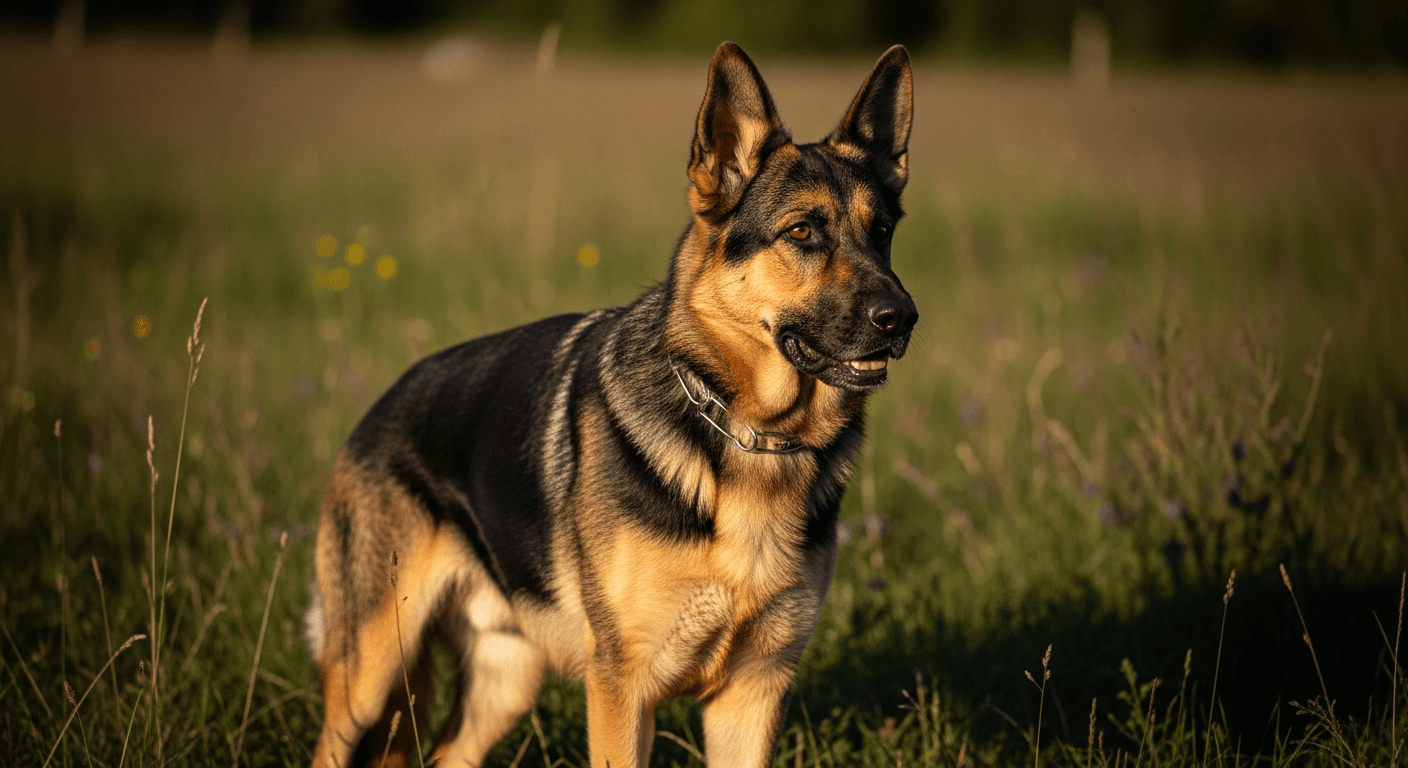
German Shepherd: The Ultimate Guide to This Loyal Working Breed
Discover everything about German Shepherds — their intelligence, loyalty, care requirements, health concerns, and whether this iconic breed is right for your home.
 🐶 Dog Breeds
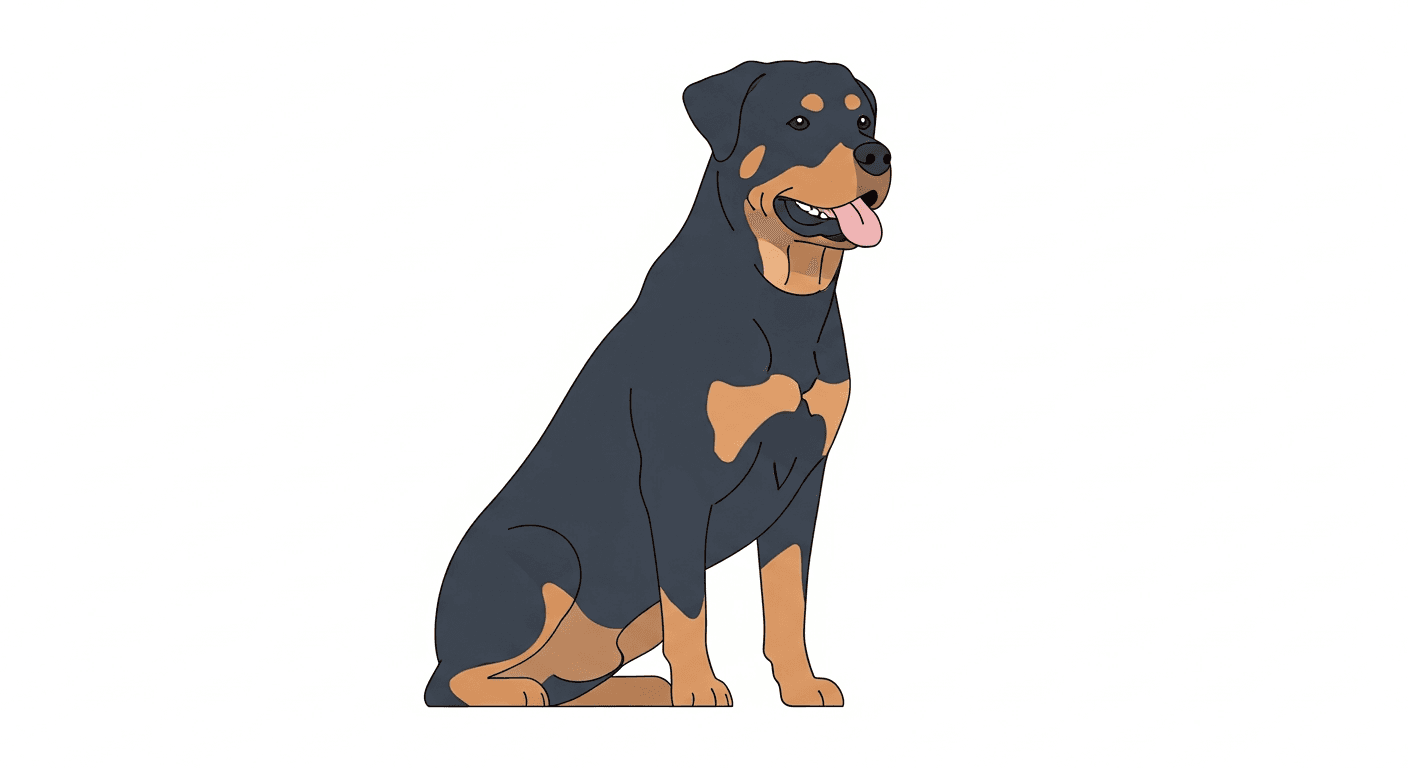
Rottweiler: Power, Loyalty, and What Responsible Ownership Looks Like
A comprehensive guide to the Rottweiler — temperament, training needs, health risks, exercise requirements, and the truth about owning this misunderstood breed.
 🐶 Dog Breeds
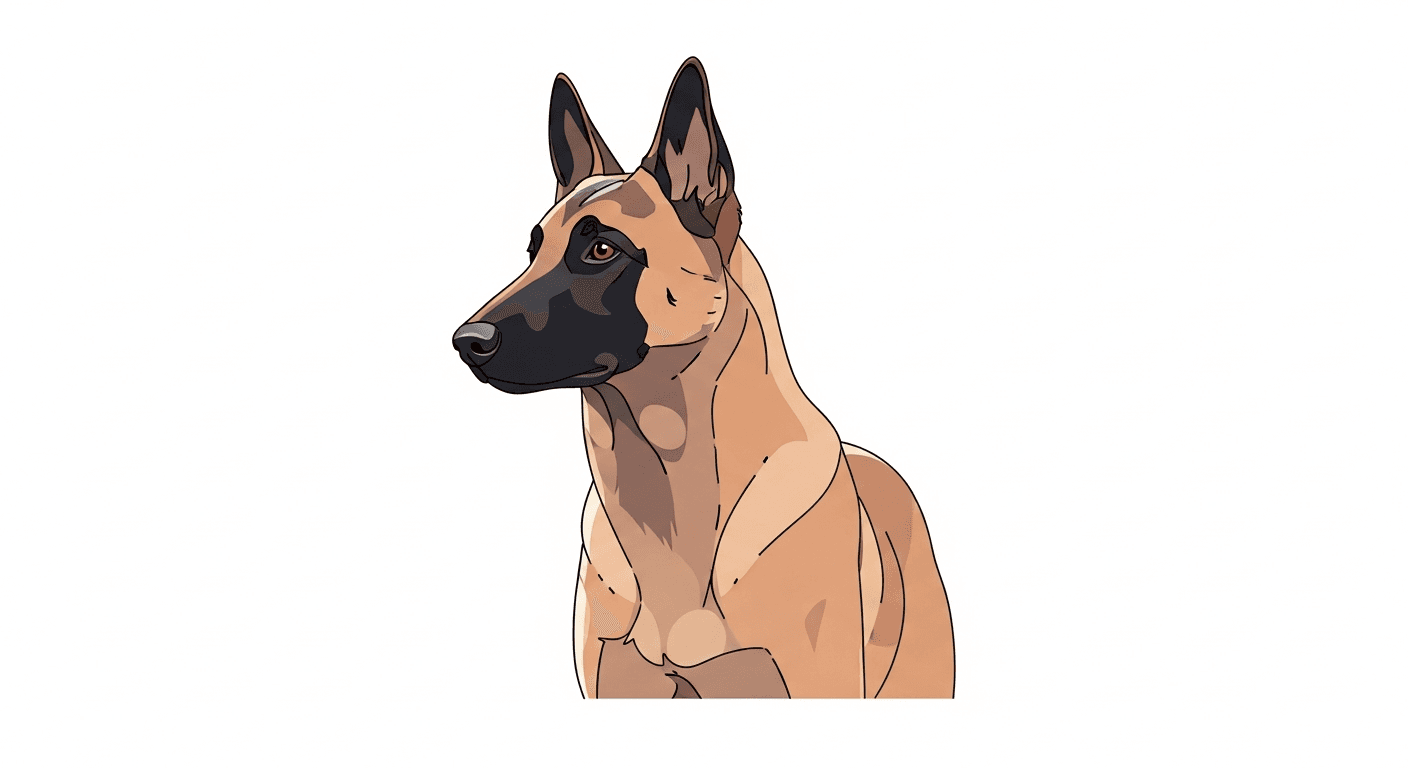
Belgian Malinois: The World's Premier Working Dog — Not Just a Pet
A complete guide to the Belgian Malinois — the elite working dog used by military and police worldwide. Learn about their extreme drive, training demands, health profile, and suitability as a pet.