
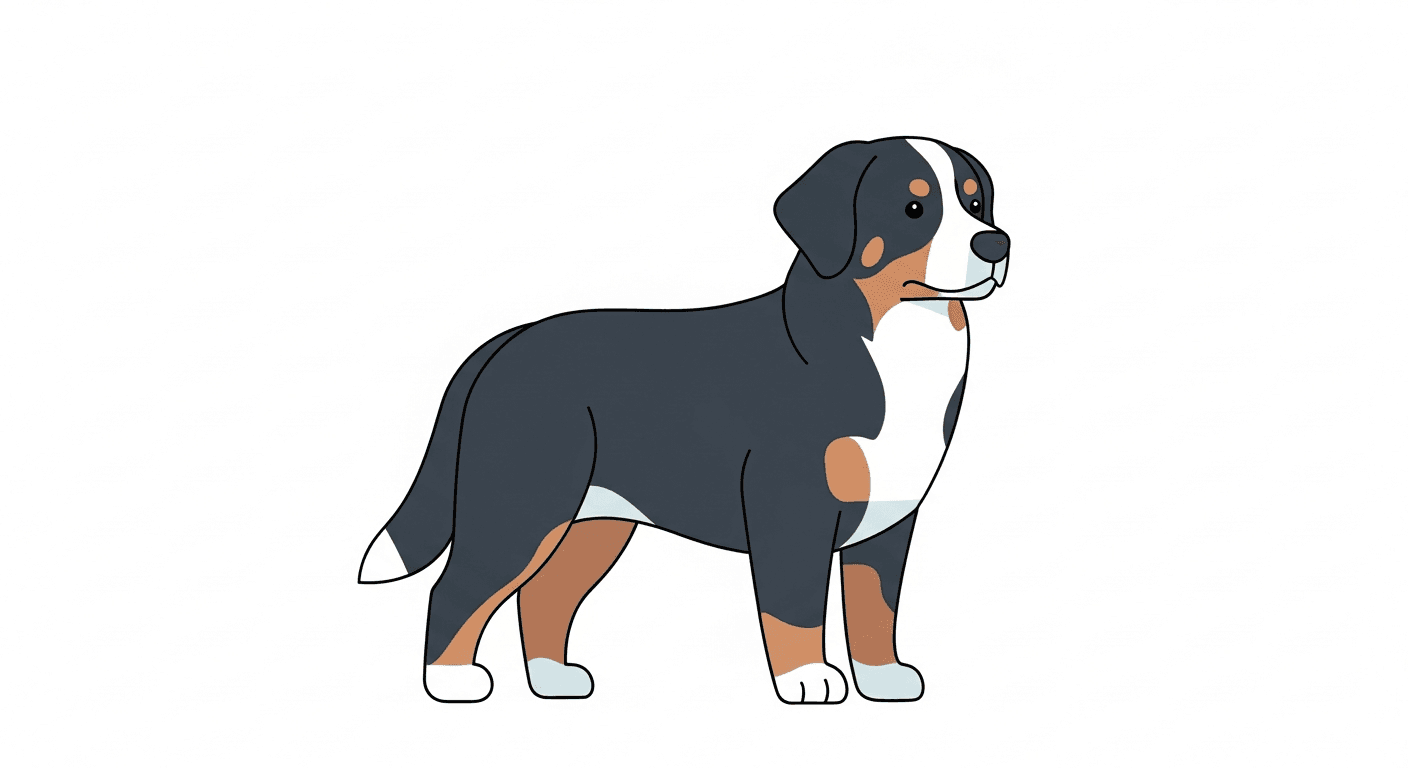
Breed Overview
The Bernese Mountain Dog is one of four Swiss Mountain Dog breeds (Sennenhunde), developed in the Swiss Alps in the canton of Bern as a versatile farm dog. Berners herded cattle, pulled carts loaded with dairy products, and served as loyal farm companions. The breed was nearly extinct at the turn of the 20th century when Swiss fanciers began reviving it, and it was officially recognized by the AKC in 1937. Today, the Bernese Mountain Dog is a beloved family companion worldwide, celebrated for its striking tricolor coat, gentle temperament, and devoted nature.
Bernese Mountain Dogs are large, sturdy dogs. Males stand 25–27.5 inches and weigh 80–115 pounds; females are 23–26 inches and 70–95 pounds. Their most distinctive feature is their jet-black coat with rich rust and bright white markings on the face, chest, and legs — sometimes described as looking hand-painted. Their large, dark eyes and kind expression perfectly reflect their gentle nature.
Berners mature slowly and remain puppy-like in behavior until age three or beyond, making their abbreviated lifespan (7–10 years on average) all the more poignant for the families who love them.
Temperament and Personality
The Bernese Mountain Dog is defined by its extraordinary gentleness and family devotion:
- Gentle and patient: Berners are exceptionally gentle with children, tolerating rough play with a patience that belies their large size. They are one of the most family-friendly large breeds.
- Devoted and affectionate: They bond deeply with all family members and are devoted companions who thrive on inclusion in family activities.
- Calm and even-tempered: Unlike many working breeds, Berners have a naturally relaxed, steady disposition that makes them enjoyable household companions.
- Sensitive: Berners are emotionally attuned and respond poorly to harsh correction. They shut down quickly when handled roughly and bloom under patient, positive reinforcement training.
- Reserved with strangers: They are not as universally friendly as Golden Retrievers but warm up readily once they assess a person as trustworthy.
Care Needs
- Grooming: Their long, thick double coat sheds year-round and very heavily twice annually. Brush three to four times per week normally, and daily during seasonal shedding. Their magnificent coat requires attention to prevent mats behind the ears, under the legs, and around the collar. Bathe every six to eight weeks.
- Heat sensitivity: Their thick, black coat absorbs heat rapidly. Berners are cold-weather dogs that can overheat quickly. Limit outdoor activity in warm weather to cooler hours of the day and provide constant access to shade and water.
- Joint protection: Their large, heavy body stresses joints significantly. Provide orthopedic sleeping surfaces, ramps where possible, and avoid repetitive high-impact activity with growing puppies. Maintain an appropriate lean weight throughout life.
- Training: Berners are intelligent and respond beautifully to positive reinforcement training. Their sensitive nature means harsh correction is counterproductive. Early obedience training and socialization are important — a 100-pound untrained Berner knocking guests down is not amusing, however well-intentioned.
Health Risks and Common Conditions
The Bernese Mountain Dog's most significant health concern is also its most heartbreaking:
- Cancer: Berners have one of the highest cancer rates of any breed — approximately 50–60% die from cancer. The most common types are histiocytic sarcoma (a cancer almost unique to Berners), malignant histiocytosis, lymphoma, mast cell tumors, and osteosarcoma. This single factor is responsible for the breed's heartbreakingly short lifespan. Annual wellness exams and prompt evaluation of any lumps or masses are critical.
- Hip and elbow dysplasia: Very common in the breed due to their size and rapid growth. OFA certification of both parents is essential. Weight management and controlled puppy exercise reduce risk.
- Bloat (GDV): As a large, deep-chested breed, Berners are at elevated risk. Feed two smaller meals daily and avoid vigorous exercise immediately after eating.
- Progressive Retinal Atrophy: A hereditary eye disease. DNA testing available.
- Von Willebrand's Disease: A blood clotting disorder seen in some lines.
"Berner time" is a phrase owners use knowingly — acknowledging that every year with a Bernese Mountain Dog feels especially precious given their short lifespan. Log health observations meticulously with the TailRounds Daily Log. Book a vet appointment at Happy Paws for annual wellness care and promptly for any concerning lumps. Find a clinic near you for comprehensive cancer screening.
Exercise Needs
Adult Berners need 60 minutes of moderate daily exercise. They enjoy draft work (carting), hiking in cool weather, and leisurely family walks. Avoid:
- Exercise during hot weather
- High-impact activities before growth plates close (~18-24 months)
- Forced running on hard surfaces with growing puppies
Is a Bernese Mountain Dog Right for You?
The Bernese Mountain Dog is one of the most beautiful, gentle, and family-friendly large breeds in existence. Their short lifespan and high cancer risk are unavoidable realities that every prospective owner must accept with open eyes. Pet insurance that covers cancer treatment (which can run into tens of thousands of dollars) is strongly recommended. For families willing to embrace the depth of feeling that comes with loving a Berner — and the grief that inevitably comes too soon — there is no more devoted, gentle, or magnificent large dog companion.
Continue Reading
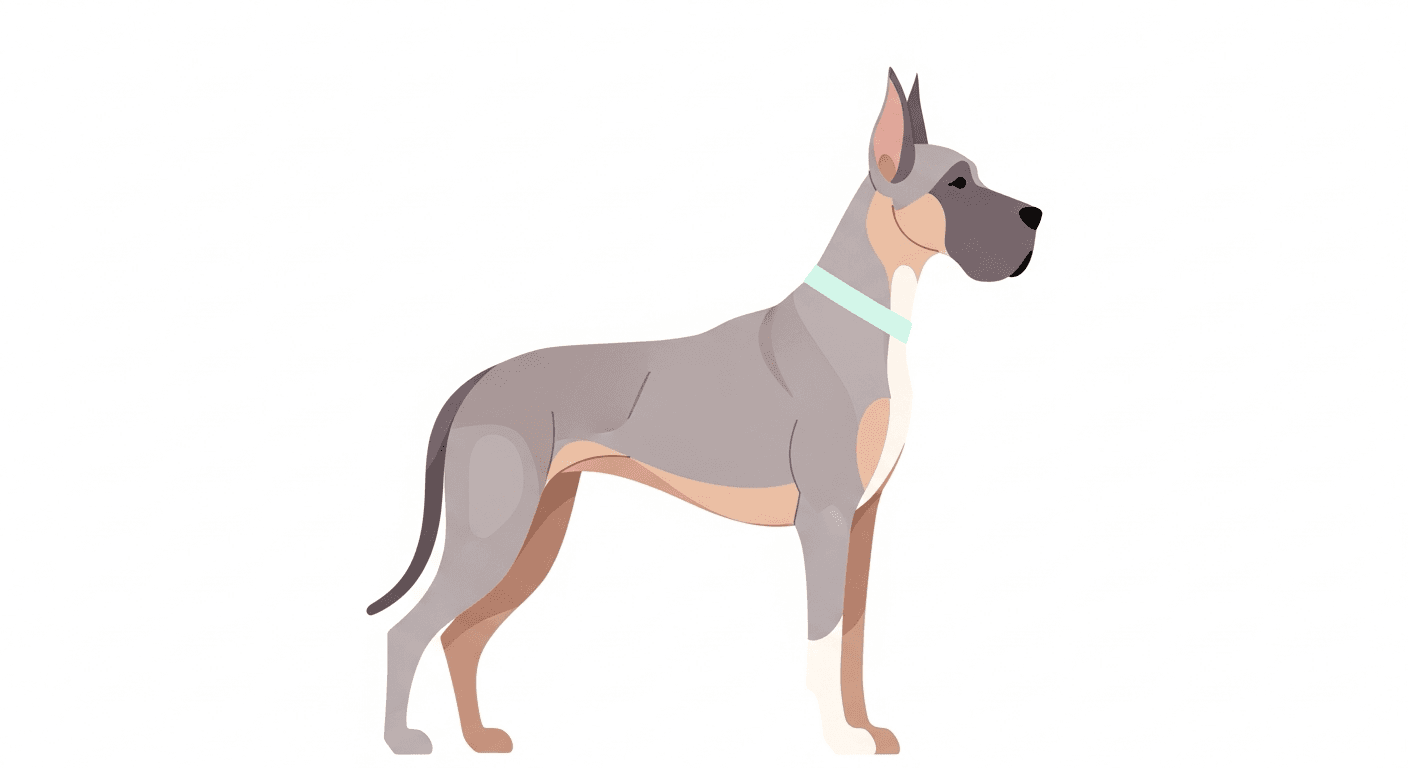 🐶 Dog Breeds
Great Dane: The Gentle Giant — Living With the World's Tallest Dog
A complete guide to the Great Dane — majestic size, gentle temperament, giant breed health challenges, exercise needs, and what owning one of the world's largest dogs actually looks like.
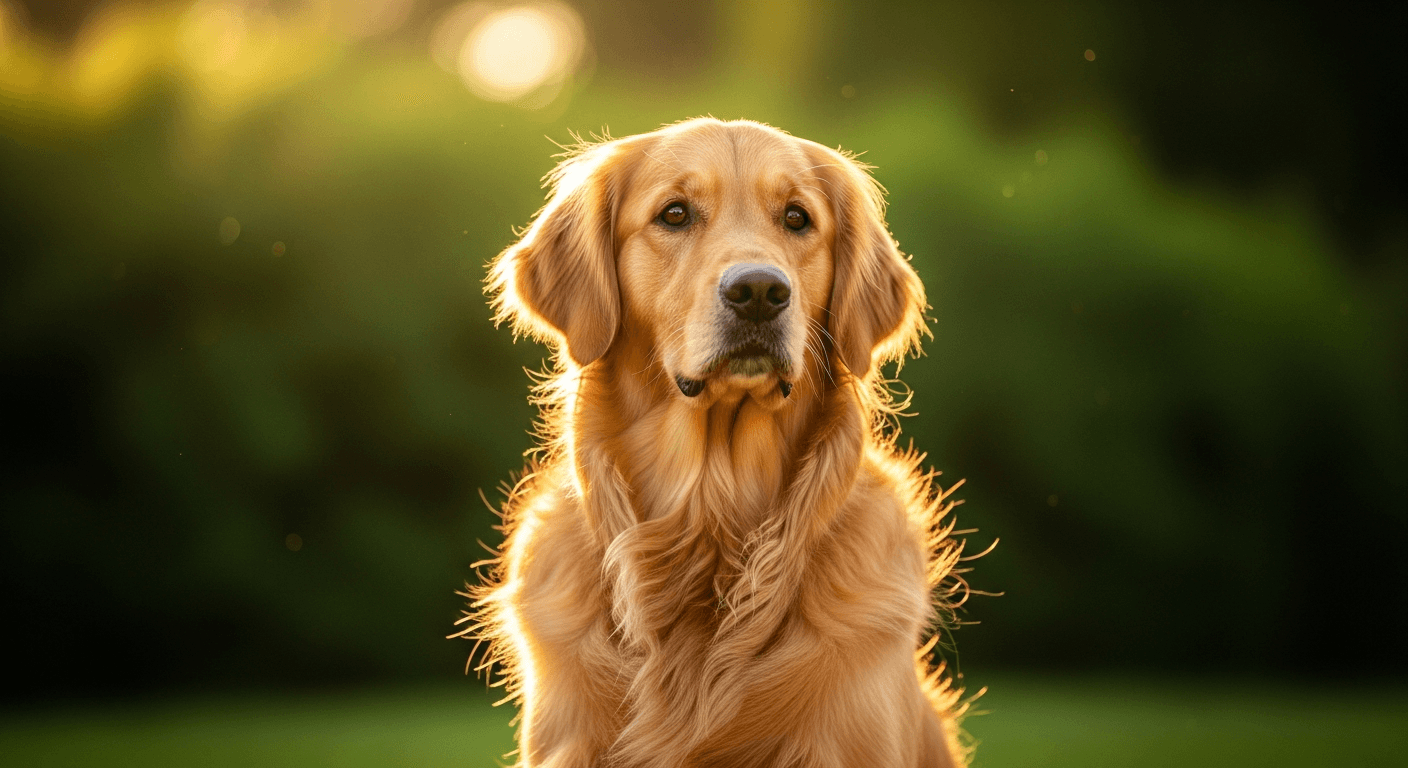 🐶 Dog Breeds
Golden Retriever: The Complete Owner's Guide
Everything you need to know about Golden Retrievers — temperament, care, health risks, exercise needs, and whether this beloved breed fits your lifestyle.
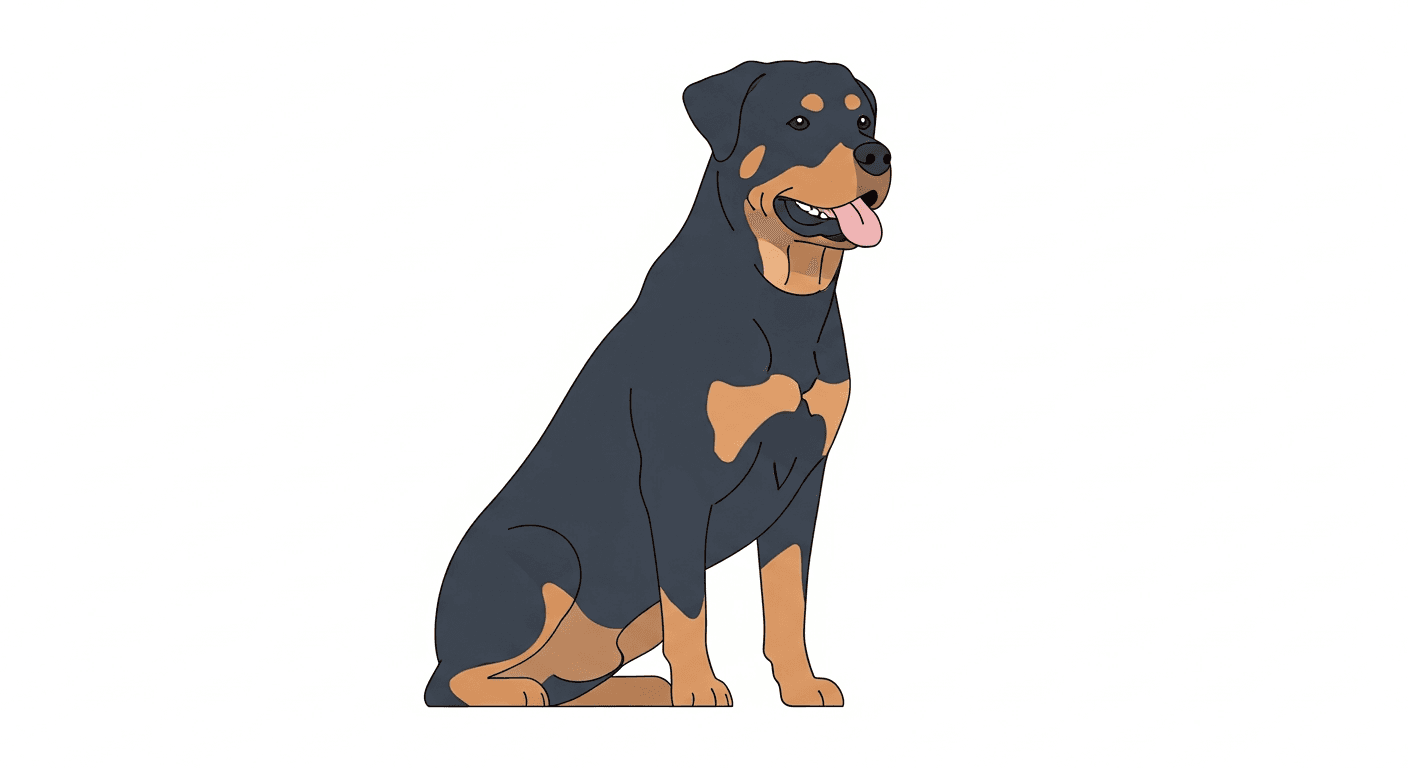 🐶 Dog Breeds
Rottweiler: Power, Loyalty, and What Responsible Ownership Looks Like
A comprehensive guide to the Rottweiler — temperament, training needs, health risks, exercise requirements, and the truth about owning this misunderstood breed.